
Sauces are a big deal in French cooking, forming the foundation of the five classical French mother sauces. They can improve simple dishes into something really special.
Demi-glace is a must-know for anyone looking to up their sauce game (a classic French brown sauce made by reducing equal parts espagnole and brown stock to concentrate flavor).
It's a staple in French cuisine that adds depth and a touch of elegance. We can use demi-glace in risottos, stews, or even to finish a steak.
You'll notice how it enhances dishes with its complex flavor. Demi-glace isn't just a sauce; it's like a secret weapon for flavor.
It pulls together ingredients beautifully.
As we explore cooking, understanding this sauce gives us a new avenue to experiment in the kitchen. It's all about layering flavors to bring a dish to life.

What is Demi-glace?
Demi-glace is a fancy term for a rich sauce we definitely want in our cooking arsenal. It's made by reducing stock and sauces until they reach a velvety consistency.
This blend improves simple dishes, giving them a touch of sophistication.
Now, let's break down the term "glace." It simply means "glaze" in French and refers to this shiny coating that adds so much flair. Glace isn't just about looking pretty; it's essential in making meals more memorable.
Funny enough, some folks think demi-glace is related to Demi Moore, but it's not her specialty. Demi-glace has no celebrity connections, just pure culinary goodness!
So, if we're aiming to impress at dinner, knowing how to whip up demi-glace can really shine a light on our cooking.
The Composition of Demi Glace
Demi-glace is a blend of two key components: brown sauce and beef or veal stock. Now, this might sound complicated, but it's not as daunting as it sounds.
Brown sauce is made from a mixture of butter, flour, and reduced beef broth, using a browned roux, cooked to a deep chestnut color, to develop deep, nutty flavors. The secret to perfecting the sauce is in the reduction process that concentrates all those flavors into one delicious mix.
On the other hand, we have beef or veal stock which takes hours to prepare properly, often simmered 6-8 hours to extract gelatin and concentrated flavor. It's then added to the brown sauce for an extra boost of flavor and glossy consistency.
Together, these two elements create demi-glace-a luxurious sauce that can transform any dish into a great dish, classic in haute cuisine; for quicker or homemade alternatives see demi-glace substitutes and homemade options.
How to Make Demi Glace
Making demi-glace is about layers and flavors. We start with espagnole sauce.
It's a mix of butter, flour, and a solid beef broth base.
First, melt some butter, whisk in the flour, and cook until it turns that lovely brown color. Add in your beef broth and let it simmer, allowing those flavors to come together.
Next, we combine this with a good beef or veal stock, which we simmer for hours until it's rich and aromatic. The goal is to reduce both down to a velvety texture.
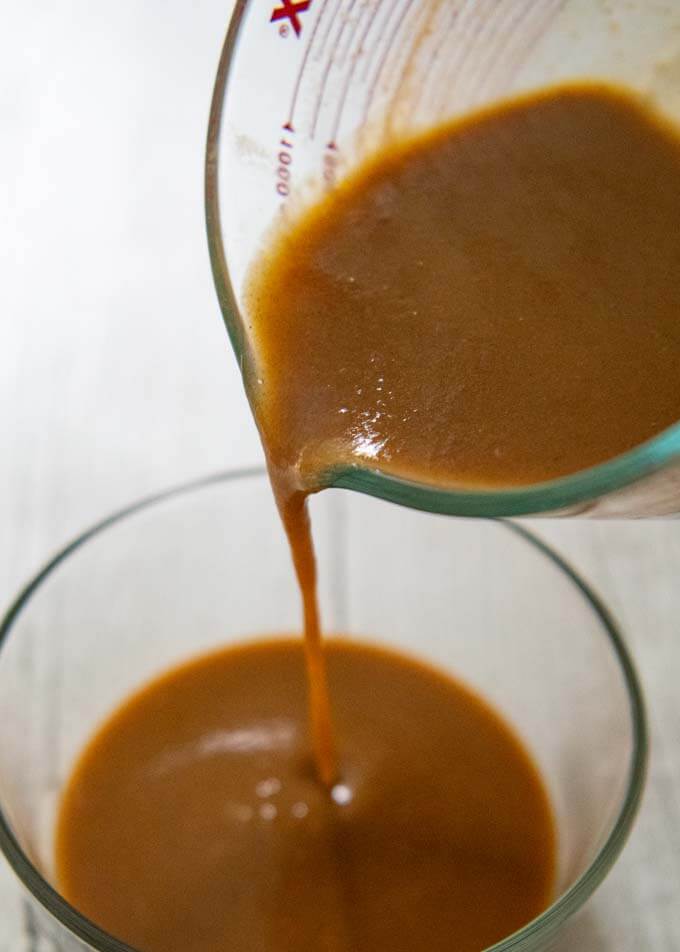
Stir often to avoid burning and keep an eye on that consistency. It should coat the back of a spoon when it's just right.
Once you've achieved that shiny gloss, we have our demi-glace ready for anything from steak to pasta.
How to Use Demi Glace in Recipes?
As we whip up our next meal, demi-glace can really up our game. It is a fantastic standalone sauce, perfect for drizzling over meats, especially grilled or pan-seared steaks where the glaze clings to the crust after searing and a brief pan deglaze.
Pair it with pork chops or steak for an instant upgrade.
It's also great for boosting the flavor in soups and stews. Just a spoonful can turn a basic broth into something irresistible.
We can use it as a base for other sauces, like a red wine sauce or mushroom sauce. Those go well with dishes like duck breast, creating an elegant finish.
Using demi-glace adds richness without much effort. It's a smart choice for anyone looking to improve their cooking.
From everyday dinners to special occasions, having it on hand makes each meal more memorable.
Variations and Substitutes for Demi Glace
There's always room for creativity and experimentation.
Using different stocks lets us create unique flavors and pair well with hearty sides like moist cornbread variations for sides.
This can make a significant difference.
If demi-glace isn't on hand, several substitutes work well. Consider using store-bought sauces like gravy or bouillon, such as low-sodium beef bouillon for better flavor control.
Even a strong red wine reduction can add some flair to our dishes.
For those wanting to accommodate dietary needs, there are options.
Vegetarian versions exist and can incorporate rich vegetable stocks. Mixing in mushrooms enhances that earthy essence we savours.
We can also cut down on the richness by adjusting the volume of stock in recipes. Substituting with lighter options can still provide flavor without the heaviness.
Demi-glace is versatile, and knowing our alternatives opens up plenty of tasty doors.
Deviled eggs are a classic cold appetizer of hard‑boiled egg halves filled with a seasoned yolk mixture; explore classic deviled egg preparations at classic deviled egg preparations. Nduja is a spreadable Calabrian pork sausage known for its smoky heat and bold spice, useful in sauces and spreads; read more about spicy nduja sausage background at spicy nduja sausage background.
For switching fats in rich sides and sauces, consider butter alternatives for grilled cheese that also work in creamy preparations.

Andrew Gray is a seasoned food writer and blogger with a wealth of experience in the restaurant and catering industries. With a passion for all things delicious, Andrew has honed his culinary expertise through his work as a personal chef and caterer.
His love for food led him to venture into food writing, where he has contributed to various online publications, sharing his knowledge and insights on the culinary world. As the proud owner of CooksCrafter.com, Andrew covers a wide range of topics, including recipes, restaurant reviews, product recommendations, and culinary tips.
Through his website, he aims to inspire and educate fellow food enthusiasts, offering a comprehensive resource for all things food-related.