Cipollini onions are small, sweet, and super tasty (a small flattened Italian onion, Allium cepa), but they're not always easy to find.
We want something that gives us that same hint of sweetness and soft texture without overthinking it. Substitutes can save the day and keep the dish on track without missing a beat.
Over the years, we've tried a lot of swaps, some better than others. There are a few that really hit the mark when cipollinis are out. This article is all about those substitutes.
We are here to make your life easier and your cooking stress-free, so let's dive in!
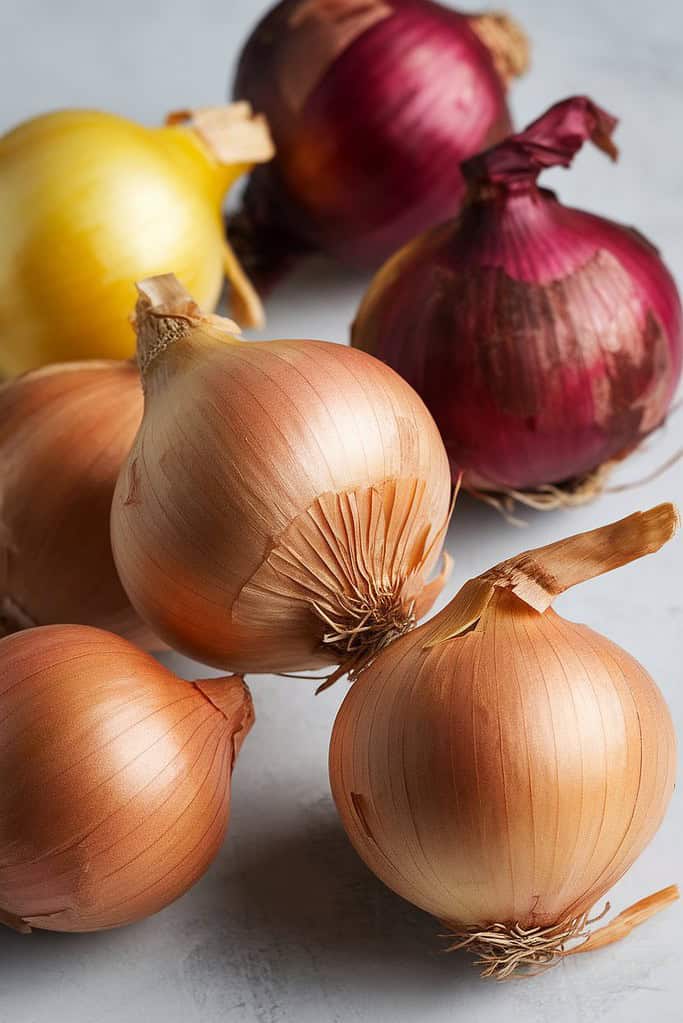
6 Quick Substitutes for Cipollini Onions
Here are our top six picks for the best substitutes for cipollini onions in cooking:
1 - Pearl Onions
Pearl onions are our go-to swap when cipollinis are missing. They're sweet, mild, and almost the same size, making them an easy substitute. One pearl onion equals one cipollini, so the ratio's simple.
We've noticed they have a firmer bite, but the flavor stays close. Blanch them for a few seconds to peel the skins easily.
They caramelize nicely, too, which works great for dishes that need that rich, sweet layer (caramelize in about 10-15 minutes over medium heat).
You'll find them fresh, frozen, or canned, so there's always an option; if your recipe pairs onions with grains, see pearl barley substitutes for stews.
2 - Shallots
For a more pungent flavor that's still sweet, shallots are a lovely option. They're part of the same family as onion and garlic (Allium genus), so they have some similar characteristics.
They're sweeter than onions and have a mild tang that works well in dishes like quiches or salads. You'll need about two to three shallots for every cipollini onion, but it depends on size.
We love their versatility; they add flavor without overpowering the dish. Just remember that shallots are smaller, so adjust accordingly.
3 - Boiling Onions
When you want to keep the flavor subtle and sweet, try boiling onions. They're small but don't let that fool you; they pack a lot of sweetness into each bite (higher sugar content than common yellow onions).
These are perfect for recipes where cipollinis take center stage, like caramelized onion pasta or roasted vegetables. Their mildness allows them to blend easily with other ingredients without overpowering them.
We've found these onions work best in soups and stews since their texture is a bit softer than most other options, and if you need a fresh garnish alternative, try green onion substitutes for fresh garnishes.
4 - Sweet Onions
While they have the sweetness factor down, they do lack that same texture as cipollini onions (they're larger and have a higher water content).
Still, if it's all you have available, don't shy away from using them; for a sweet-spicy finish in recipes, consider sweet chili sauce substitutes for heat.
5 - Red Onions
Next up, we have red onions. They're not as sweet as cipollinis, but they do add a nice pop of color to any dish (from anthocyanin pigments).
We recommend using them in savory dishes that could use a little sweetness, like salad dressings or marinades, and for spice tweaks try red pepper flakes substitutes for milder heat.
Red onions also make great substitutes in raw dishes since they have a milder taste compared to other onion varieties.
6 - White Onions
Last but not least, we have white onions. They're the most common onion variety and can be found in almost any grocery store (Allium cepa, the common bulb onion).
They're not as sweet as cipollinis, so you may need to add a bit of sugar or honey to your dish for that extra touch of sweetness. However, they do have a similar texture and work well in dishes where the flavor is more subtle.
White onions are also great for caramelizing or pickling, and for creamy, melty swaps in recipes that call for dairy, see white American cheese substitutes for melting.
Frequently Asked Questions
Pearl onions are the best choice since they have a similar small size and sweet flavor.
Yes, shallots provide a mild, slightly sweet flavor that works well in many dishes.
Yes, they have a similar texture, but they are slightly less sweet than Cipollini onions.
Yes, sweet onions work well for caramelization, though they are larger and may need to be cut into smaller pieces.
Red onions provide a sharper taste, making them a good option for salads and raw dishes.

Andrew Gray is a seasoned food writer and blogger with a wealth of experience in the restaurant and catering industries. With a passion for all things delicious, Andrew has honed his culinary expertise through his work as a personal chef and caterer.
His love for food led him to venture into food writing, where he has contributed to various online publications, sharing his knowledge and insights on the culinary world. As the proud owner of CooksCrafter.com, Andrew covers a wide range of topics, including recipes, restaurant reviews, product recommendations, and culinary tips.
Through his website, he aims to inspire and educate fellow food enthusiasts, offering a comprehensive resource for all things food-related.