Baking treats is our jam, especially when someone notices our genius icing sugar swap. Found yourself out of icing sugar?
Been there, done that.
No need for an unnecessary trip to the store. We've swapped regular sugar with some clever substitutes (icing sugar, also called confectioners' sugar, is finely ground sucrose used for icings and dusting).
They're just as sweet and blend right in.
Plain sugar, honey, and cornstarch work wonders, and we've tested them all on our sugar cookies. We love how powdered coconut sugar can throw a tropical twist, which surprised our guests.
These tricks saved us from dessert disasters. Everyday items in our pantry solved our baking crisis.
We're sharing this so you can save time and still whip up incredible desserts.
Let's get sweet like nobody's business.
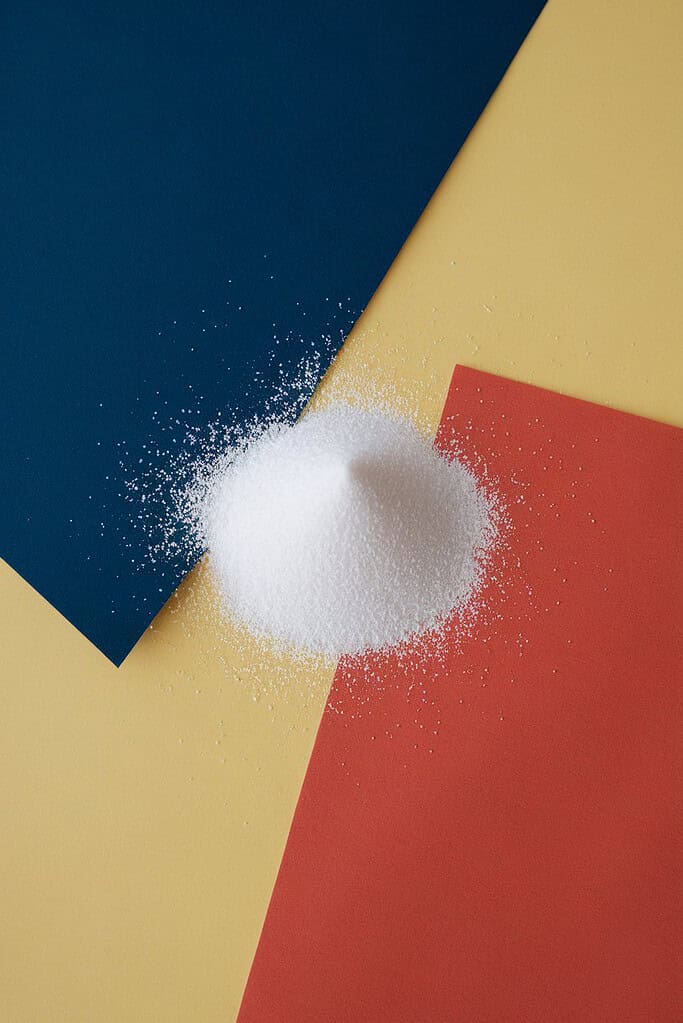
7 Icing Sugar Replacements for Baking
Here are our top picks for substitutes that work just as well as icing sugar in baking
1 - Granulated Sugar Blended into Powder
Granulated sugar can do the job if it transforms into powder; consider granulated garlic swaps for savory dishes.
Pulse until fine. Works like icing sugar.
One cup granulated equals one and three-quarters cup powdered.
A quick option, nothing fancy. It might get dusty, so cover the lid.
Moisture is not your friend here; powdered sugar clumps because it absorbs water and often contains a little cornstarch as an anti-caking agent. We know about clumping.
Add cornstarch to avoid it. Sweet ending assured.
Sweet cookies can show this switch.
2 - Caster Sugar
Caster sugar is our go-to for quick substitutions; see simple caster sugar replacements for baking.
It looks like regular sugar's sleek cousin, with crystals about half the size of standard granulated sugar. This sugar dissolves faster, making it great for cakes and meringues.
Blend it in and see the magic. Ratio remains straightforward: one-to-one.
It's lovely to have handy when you're baking.
We blend our desserts with finesse using this substitute.
No clumps here, which's always nice. Notice the smoothness it adds to batters and doughs.
It mixes smoothly, so no sugary grains interrupt your process. Caster sugar effortlessly transitions into any dessert.
3 - Powdered Coconut Sugar
Powdered coconut sugar brings a sweet, tropical twist; also see coconut milk alternatives for curry.
It's a lovely alternative to icing sugar. The ratio is one-to-one, just like sugar.
It melts beautifully into batters.
In recipes, it sneaks a bit of caramel flavor derived from the coconut sap used to make coconut sugar. Coconut sugar keeps it natural.
It's great for cookies and cakes. We find it handy for quick fixes.
Plus, it's easy on the taste. The complexity it adds is subtle.
Transforming granulated into powder is fun. Adding this might surprise your taste in desserts!
4 - Brown Sugar Blended with Cornstarch
Brown sugar with cornstarch mixes up. This raises moisture levels for baking
Swap one cup of brown sugar with a tablespoon of cornstarch; for liquid sweetener swaps see brown rice syrup alternatives for baking.
This keeps it non-clumpy. Add to baked goods to get that chewy texture.
The cornstarch handles moisture like a champ, and a typical ratio is about 1 tablespoon per cup to reduce clumping.
We grab our mixer for this one. We find that blending works best.
The aroma gets us every time! Brown sugar adds a deeper flavor.
The blend subtly changes textures. Mix it well.
This swap is sweet with a twist. We enjoy the richness it brings.
Chewy cookies turn out great here. Consider it in cookies and pastries.
Remember to mix thoroughly.
Own the experiment! Brown sugar blends transform in baking.
5 - Stevia Powder
We dig the sweetness stevia powder offers without the sugar guilt. It stands at zero calories, so we can indulge a bit more.
Use it sparingly; it's sweet power in small doses. A tiny pinch goes a long way - pure stevia extract can be roughly 200-300 times sweeter than sucrose.
Stevia powder's potency requires a precise touch. Mix it well for balanced flavors.
Substitute a tablespoon of stevia powder for a cup of sugar; for other zero-calorie swaps see stevia sugar alternatives for baking.
In cookies or brownies, we enjoy the subtle sweetness. Our dishes stay sweet and satisfying.
We mix, taste, and adjust to get it right.
6 - Honey (For Icing or Frosting)
We adore honey in frosting because it adds some pleasant sweetness; raw honey typically contains about 18% water and invert sugars that affect texture. It's one-to-one with sugar, which is easy math for us.
Honey keeps textures smooth and spreads like a dream. Cakes remain moist and tender, a win in our books.
We notice honey bringing depth and rich golden color. It mingles well with vanilla, improving overall flavors.
Mix honey thoroughly, so each bite savors sweetness. Go for light honey if you're after subtlety.
Protect freshness when storing mixtures for later.
7 - Maple Syrup (For Glazing)
Maple syrup likes to give our desserts a warm hug. We use it for glaze over pastries and cakes.
Maple syrup works well in equal measure to sugar (pure maple syrup from Acer saccharum offers the deepest, caramelized flavor). It brings a rich, distinct flavor.
We add maple syrup to amp up the taste.
Mix this with nuts or cinnamon. It creates a cozy vibe in the treats.
We always notice the change. Maple syrup does wonders for our dish color.
Remember to store it properly to keep the sweetness.
Interested in more swaps? Check out our take on maple syrup alternatives for more insights!
Frequently Asked Questions
Yes, simply blend granulated sugar in a food processor to make it powdery, and you'll have a great substitute.
Caster sugar is finer than regular granulated sugar but does not have the same powdery texture as icing sugar, so it may not dissolve as smoothly in frostings.
Yes, powdered coconut sugar is an excellent option for those seeking a natural, low-glycemic alternative, although it may have a slight coconut flavor.
Brown sugar blended with cornstarch can provide a great substitute, offering a slight molasses flavor to your icing.
Stevia powder can be used for frosting, but it's sweeter than icing sugar, so you'll need to adjust the amount to prevent overly sweet results.

Andrew Gray is a seasoned food writer and blogger with a wealth of experience in the restaurant and catering industries. With a passion for all things delicious, Andrew has honed his culinary expertise through his work as a personal chef and caterer.
His love for food led him to venture into food writing, where he has contributed to various online publications, sharing his knowledge and insights on the culinary world. As the proud owner of CooksCrafter.com, Andrew covers a wide range of topics, including recipes, restaurant reviews, product recommendations, and culinary tips.
Through his website, he aims to inspire and educate fellow food enthusiasts, offering a comprehensive resource for all things food-related.