Short Answer
The best sambuca substitutes are ouzo, pastis or arak at 1 ounce for each ounce of sambuca, plus 1 to 2 teaspoons of simple syrup to add back the sugar.
- In coffee, use 1 teaspoon of ouzo or anesone for each espresso and sweeten the cup to taste.
- For a drink with no alcohol, use 2 teaspoons of store-bought anise-flavored syrup for each ounce of sambuca and fill the glass with sparkling water.
- For baking, use 1 teaspoon of anise extract plus 1 tablespoon of water for each 2 tablespoons of sambuca.
- Use absinthe at one-quarter of the sambuca amount, because it is stronger and has no sugar.
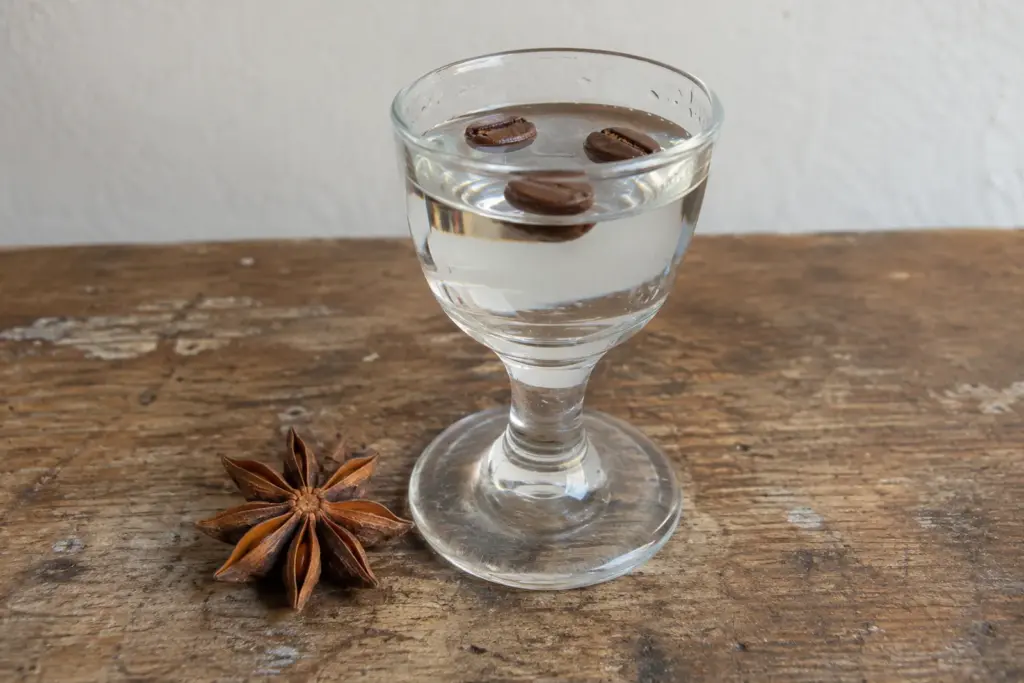
Under EU law, sambuca is a clear liqueur with at least 38% alcohol and at least 350 grams of sugar per liter. That makes any liqueur swap a two-part job for you: a drier anise spirit brings the licorice taste and leaves most of the sugar behind. Ouzo, pastis and arak therefore get a little syrup, while Galliano and mastiha carry their own sugar.
1 What Does Sambuca Do in a Recipe?
In one pour, sambuca gives a recipe anise flavor, sugar and alcohol. The EU definition of the name sets three limits that any bottle sold as sambuca must meet:
- It holds distillates of anise, star anise or other aromatic herbs, with 1 to 2 grams of natural anethole per liter (anethole is the oil that gives anise its licorice smell).
- It holds at least 350 grams of sugar per liter, which is about 10 grams, or 2½ teaspoons, in a 1-ounce pour.
- It is at least 38% alcohol.
That sugar makes sambuca taste thick beside a drier spirit. The same EU rule keeps pastis, a French anise spirit, under 100 grams of sugar per liter, and VinePair describes arak as unsweetened. A swap that copies only the licorice therefore tastes thinner and sharper, so the sugar is the part to replace as well.
2 Best Substitutes for Sambuca
The unsweetened spirits (ouzo, pastis, anesone, arak and absinthe) are the ones that need syrup. To match the full 10 grams you would add about 4 teaspoons of 1:1 simple syrup, which is two-thirds of an ounce of extra liquid in a 1-ounce pour, so start with 1 to 2 teaspoons and add more by taste. Every amount here is a starting amount worked from that sugar gap, for each 1 ounce of sambuca.
| Substitute | Start with | Best for | What changes |
|---|---|---|---|
| Ouzo or pastis | 1 oz, plus 1 to 2 teaspoon simple syrup | Cocktails, coffee, savory sauces | Drier and anise-led, and ouzo turns cloudy with water |
| Anesone | 1 oz, plus 1 to 2 teaspoon simple syrup | Coffee | Typically unsweetened, so it carries only the anise |
| Arak | 1 oz, plus 1 to 2 teaspoon simple syrup | Short cocktails | Unsweetened, 40% to 50% alcohol, clouds with water |
| Galliano | 1 oz, no syrup to start | Coffee or chocolate drinks | Peppermint and vanilla come along with the anise |
| Mastiha | 1 oz, no syrup to start | Sweet herbal accents | No anise at all, pine and herb flavor |
| Absinthe | ¼ oz, plus 1 to 2 teaspoon simple syrup | A few drops in a short drink | 65% to 75% alcohol and unsweetened |
| Anise-flavored syrup | 2 tsp, filled up with sparkling water | Drinks with no alcohol | Licorice and sugar, and no alcohol when the label lists none |
1. Ouzo and Pastis
Ouzo and pastis are the closest everyday swaps, and both pour at 1 ounce for each ounce of sambuca. The Greek spirits producers' association SEAOP says ouzo must exceed 37.5% alcohol and takes its aroma from anise and fennel oils. Pastis is aniseed-flavored with licorice root extract, at least 40% alcohol, and under 100 grams of sugar per liter.
Both are drier than sambuca, so stir in 1 to 2 teaspoons of simple syrup for each ounce. America's Test Kitchen says ouzo can be used interchangeably with Pernod and pastis, so pastis or Pernod replaces ouzo just as well.
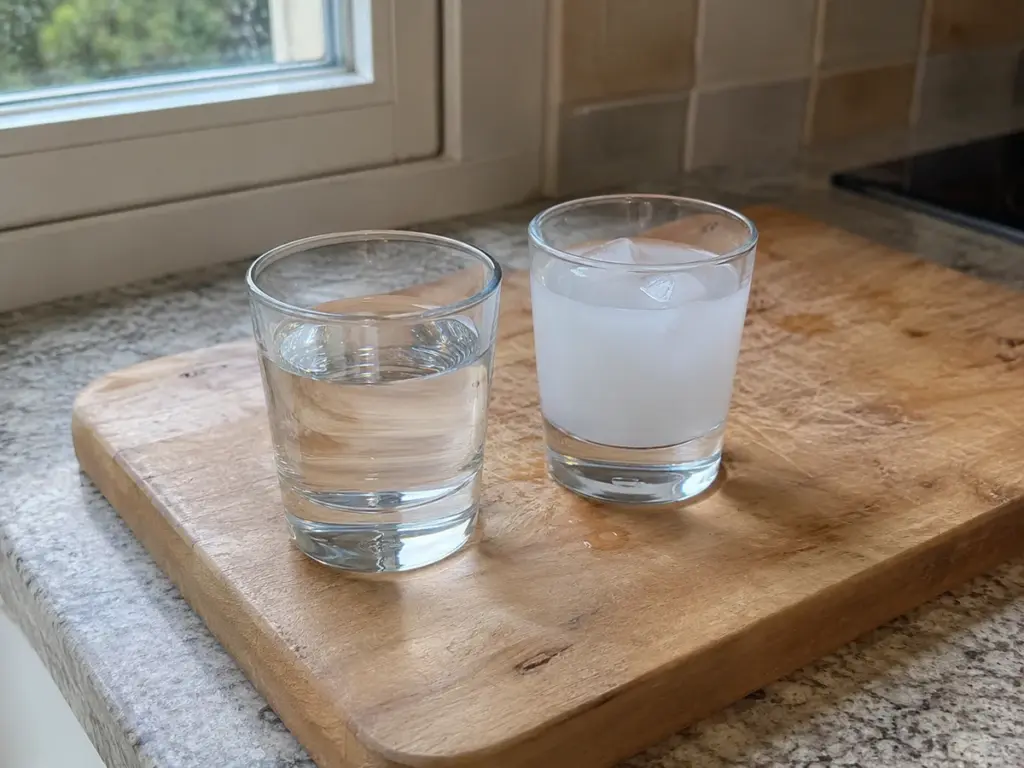
Ouzo goes milky when you add water or ice, because the anise oils stop dissolving as the alcohol drops. SEAOP describes the same effect, so a cloudy glass is normal once you add ice or water.
2. Anesone
Anesone is an Italian aniseed spirit, and Drinks International calls it similar to sambuca but typically unsweetened. It matches the licorice and leaves out the sugar, so pour 1 ounce for each ounce of sambuca and add 1 to 2 teaspoons of simple syrup.
3. Arak
Arak is the Middle Eastern anise spirit, and VinePair describes it this way:
- It is distilled from fermented grape juice and flavored only with aniseed.
- It is unsweetened, so it needs 1 to 2 teaspoons of simple syrup for each ounce.
- Most bottles run 80 to 100 proof, which is 40% to 50% alcohol, a little stronger than sambuca's 38% minimum.
- It clouds with water like ouzo, and the traditional serve is one part arak to two parts water.
Measure 1 ounce for each ounce of sambuca and taste the drink after it has met its ice.
4. Galliano
Galliano's maker lists star anise and Madagascar vanilla among its botanicals, says anise and peppermint are most prominent on the palate, and gives the strength of Galliano L'Autentico as 42.3% alcohol. Start with 1 ounce for each ounce of sambuca and no syrup, then taste.
The peppermint and vanilla stay in the glass, so Galliano fits short coffee or chocolate drinks where sambuca is a sweet herbal accent.
5. Mastiha
Mastiha is a liqueur made from the resin of the mastic tree on the Greek island of Chios. Wikipedia's entry describes a flavor reminiscent of pine and herbs, and says sugar is typically added.
Mastiha has no anise, so it replaces the sweetness and an herbal note and leaves the licorice out. Use 1 ounce for each ounce of sambuca with no syrup, and keep it for drinks where the licorice is a minor part of the flavor.
6. Absinthe
Bols describes absinthe as unsweetened and typically bottled at 65% to 75% alcohol, with most cocktails calling for only a rinse or a few drops. Add 1 to 2 teaspoons of simple syrup to keep the sugar level near sambuca's.
Tip
Start with one-quarter of the sambuca amount, which is ¼ ounce for a 1-ounce pour, and taste before you add more.
3 How Do You Replace Sambuca Without Alcohol?
7. Anise-Flavored Syrup
A store-bought anise-flavored drink syrup is the alcohol-free swap, because it supplies the licorice and the sugar together. Use 2 teaspoons for each ounce of sambuca and fill the rest of the glass with sparkling water or ice. Treat 2 teaspoons as the page's own starting amount, because bottled syrups differ in strength, and add a little at a time.
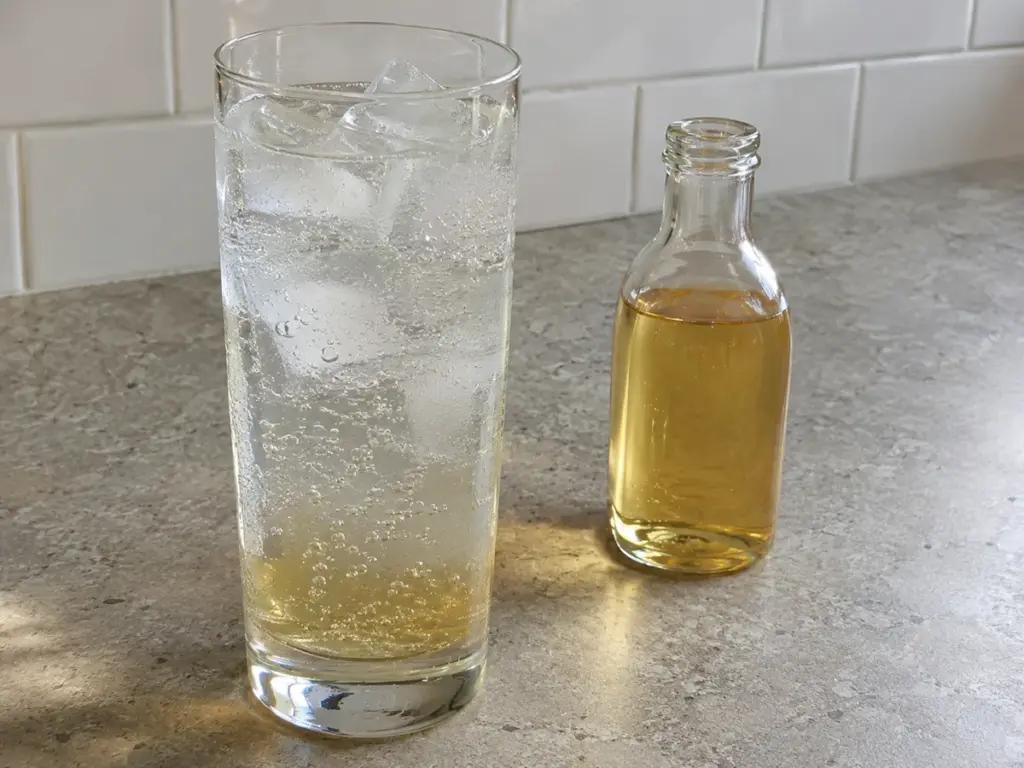
For a quick mix at home, stir 1 teaspoon of anise extract and 2 teaspoons of simple syrup into ¼ cup of water for one small glass, and treat that as a starting amount too. McCormick's pure anise extract lists alcohol, water and oil of anise, so this mix suits someone cutting back on alcohol and not someone who avoids it entirely. For none at all, use the bottled syrup and read its label.
Warning
Do not steep star anise pods into a tea or syrup at home. In 2003 the FDA advised the public not to drink tea brewed from any star anise, because toxic Japanese star anise had been found mixed in with the culinary kind and some people, including infants, had become ill.
4 Which Sambuca Swap Fits Your Drink?
A drink built on licorice needs an anise spirit and a little syrup, while a drink that uses sambuca as a sweet accent can take a herbal liqueur instead.
Ouzo, pastis or arak plus syrup
Keeps the licorice taste that sambuca is bought for.
Needs 1 to 2 teaspoons of simple syrup for each ounce, and a taste after mixing.
Galliano or mastiha
Already sweet, so there is no syrup to measure.
The drink tastes of peppermint and vanilla in Galliano or pine in mastiha before it tastes of licorice.
5 Which Substitute Works in Coffee, Baking or Cocktails?
Coffee
Drinks International says anesone and mistra, two unsweetened Italian spirits, often go into a caffè corretto, which is espresso with a spirit added. Start with 1 teaspoon of ouzo or anesone for each espresso, then add about ½ teaspoon of sugar if you take it sweet, because a teaspoon of sambuca holds roughly that much.

Northern Italians correct their espresso with grappa or brandy instead of an anise spirit, and a grappa swap of brandy or cognac at 1:1 works in that cup.
For coffee with no alcohol, steep ½ teaspoon of anise seeds in a mug of hot coffee and strain it. That is a starting amount, so taste the cup and add a few more seeds only if you want a stronger anise flavor. Fennel seeds replace anise seeds one to one in the same steep.
Baking and Sauces
Anise extract is the baking swap, and it carries anise flavor and no sugar. Each amount is a starting amount, so taste the batter or glaze before you add more:
- Use 1 teaspoon of anise extract plus 1 tablespoon of water for each 2 tablespoons of sambuca.
- In a glaze, cream or sauce, add about 2½ teaspoons of sugar to cover what the sambuca supplied.
- In cookie dough, change nothing else.
A savory sauce that calls for an anise spirit is better served by ouzo or pastis. America's Test Kitchen found ouzo a good stand-in for Pernod and pastis in French-style sauces, where sambuca came out too sweet. Use the same 1 to 2 teaspoons of simple syrup per ounce as in a drink, or start with less, taste the sauce, and add more only if it needs it.
Cocktails
Bols says sambuca suits shorter cocktails and pairs well with coffee or chocolate notes. In those drinks, pour 1 ounce of ouzo, pastis or arak with 1 to 2 teaspoons of simple syrup in place of 1 ounce of sambuca, stir, and taste before you serve. Ice adds water, so a drink with enough of it turns cloudy.
Sources
- Regulation (EU) 2019/787 on spirit drinks, Annex I: sambuca, pastis and aniseed-flavored spirit definitions.
- SEAOP, Hellenic spirits producers: ouzo
- America's Test Kitchen: anise-flavored liqueurs
- Drinks International: Jewel of the Mediterranean
- VinePair: arak
- Galliano L'Autentico
- Wikipedia: Mastika
- Bols: anise-flavored alcohol in cocktails
- McCormick: pure anise extract
- FDA, 2003: star anise tea warning

Andrew Gray is a seasoned food writer and blogger with a wealth of experience in the restaurant and catering industries. With a passion for all things delicious, Andrew has honed his culinary expertise through his work as a personal chef and caterer.
His love for food led him to venture into food writing, where he has contributed to various online publications, sharing his knowledge and insights on the culinary world. As the proud owner of CooksCrafter.com, Andrew covers a wide range of topics, including recipes, restaurant reviews, product recommendations, and culinary tips.
Through his website, he aims to inspire and educate fellow food enthusiasts, offering a comprehensive resource for all things food-related.