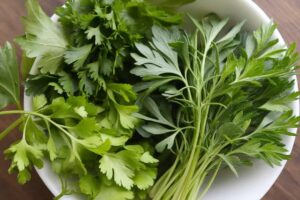
Taste bud detectives, your mission, should you choose to accept it, is to savor the flavor of summer but with a healthier twist. Ditch the notion that healthy cooking is equivalent to a lesser-tasting meal, and join me as we explore the bright world of summer savory substitutes.
Our aim is to improve the richness of every bite without compromising on health. It's like tricking your palate into thinking what they're indulging in is downright diet-defying.

Summer Savory: A Quick Overview
Before we start talking about the charming herb named summer savory (Satureja hortensis), let's play a quick game.
Can you hear the birds chirping? Smell that fresh grass and blooming flowers?
Good! Now, imagine adding a sprinkle of summer savory to your favorite dish.
Isn't that just perfect?
Summer savory is a versatile herb with a delicate, yet distinct flavor. It's often used in Mediterranean and Middle Eastern cuisines, but it's gaining popularity all around the world for its unique taste and numerous health benefits.

Summer savory has a subtle peppery taste with a hint of mint and thyme. It's not as pungent as other herbs like rosemary or oregano, making it a perfect addition to dishes that require a more delicate touch.
It pairs well with meats, beans, and vegetables, adding depth and complexity to any savory dish.
This herb is a staple in traditional French herbes de Provence blend and is often used in Italian pasta sauces and marinades. Its flavor also complements poultry and seafood dishes, giving them a savory twist.
For a quick and easy summer savory fix, add some chopped leaves to your salads or sprinkle them over roasted vegetables.
Savory Summer Ingredient Alternatives
1 - Thyme
When you're looking for a versatile herb that knows how to play nice with others, thyme (Thymus vulgaris) is your guy. This sprig doesn't need much airtime to make a dish explode with freshness.
With hints of lemon and wood, thyme imparts a mild heat to anything from soups to roasts. It also comes loaded with antioxidants, which is always a savory win.
Usage Tip: For every teaspoon of summer savory required in a recipe, simply sprinkle in a teaspoon of thyme. It's a 1:1 exchange that keeps dishes delicious and light.
2 - Marjoram
Marjoram (Origanum majorana) often lives in the shadow of its more famous relatives, like thyme and oregano. However, this underdog packs a punch - both in flavor and health.
Sweet and slightly piney, marjoram offers a warm undertone to sautéed vegetables and vinaigrettes. It's almost like a culinary bear hug.
Usage Tip: When swapping for summer savory, remember the golden rule of 1:1 ratio, matching each teaspoon with life-affirming marjoram.
3. Oregano
Oregano is no slouch when it comes to bringing the zest to your dishes. Rising from the soil with that unmistakable tang, oregano (Origanum vulgare)'s courage is especially pronounced in Mediterranean and Mexican fare.
A serving of oregano also blesses your meal with fiber and iron, making it an all-round healthy choice.
Usage Tip: Keep the oregano flowing with a straightforward 1:1 ratio replacement for summer savory.
4. Sage
Sage (Salvia officinalis) sings a sweet siren's song to the health-conscious cook. Imbued with a nutty, slightly peppery edge, sage is a savory note in the choir of cooking.
It's not just the flavor, though; sage brings a wealth of vitamins to the mix, including vitamin K, that best friends with our bone health in dishes like pumpkin and sage comfort soup.
Usage Tip: Swap summer savory teaspoon for teaspoon with confident sage for a wiser and tastier dish.
5. Rosemary
Finally, we welcome the regal rosemary (Rosmarinus officinalis), a herbal heavyweight known for its potent punch. Introducing a pinewood aroma to roasts and breads, rosemary adds depth worthy of your culinary crown.
It's notoriously rugged in its resilience, just as its health benefits are withstanding.
Usage Tip: A teaspoon of rosemary for every teaspoon of summer savory ensures your dish remains the epitome of healthful indulgence.
Cooking Tips with Summer Savory Substitutes

One of the best things about using these summer savory substitutes is that they are easy to find and use. You may have some already in your pantry!
Before you start cooking, keep these tips in mind:
- For dried herbs, crush them between your fingertips before adding them to your dish to release their full flavor.
- Add fresh herbs towards the end of cooking to preserve their delicate flavors.
- Experiment with different combinations of herbs to find your perfect blend.
- Don't be afraid to adjust the amount of herbs according to your taste preferences. Remember, you can always add more but can't take it out once it's added.
Frequently Asked Questions
Summer savory has a peppery, slightly minty flavor, making it an ideal complement to rich meats, beans, and vegetables. Its mild yet bright taste is often used in Mediterranean and European cuisines, providing a gentle, savory boost.
Thyme is earthy and slightly lemony, offering a strong yet subtle flavor. While summer savory is spicier and more peppery, thyme's milder profile can work well as a replacement in dishes that don't require a strong herbal note.
Yes! Marjoram shares a similar mildness and slightly sweet flavor with summer savory, making it a great choice for replacing it in meat stews, sausages, and hearty dishes that benefit from an aromatic touch.
Rosemary has a stronger, woodier flavor than summer savory. While it can work in Mediterranean dishes, it may overpower delicate recipes.
Use rosemary sparingly and combine it with thyme for a balanced substitution.
Oregano is an excellent plant-based alternative. Its bold, warm flavor complements vegetables, legumes, and grains, making it an ideal choice for vegetarian stews, casseroles, and pasta dishes.

Andrew Gray is a seasoned food writer and blogger with a wealth of experience in the restaurant and catering industries. With a passion for all things delicious, Andrew has honed his culinary expertise through his work as a personal chef and caterer.
His love for food led him to venture into food writing, where he has contributed to various online publications, sharing his knowledge and insights on the culinary world. As the proud owner of CooksCrafter.com, Andrew covers a wide range of topics, including recipes, restaurant reviews, product recommendations, and culinary tips.
Through his website, he aims to inspire and educate fellow food enthusiasts, offering a comprehensive resource for all things food-related.