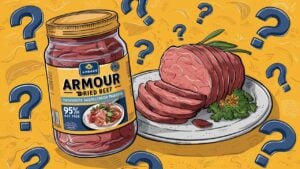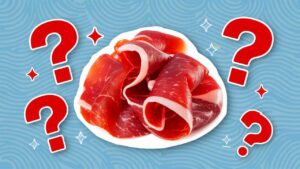
Bologna is a staple on our sandwich roster, and let's be real: it deserves some serious love - a cooked, emulsified cold cut usually made from finely ground pork (sometimes beef) similar to Italian mortadella, originating in Bologna, Italy and later adapted in the U.S. into the looser-textured luncheon meat we know today. This classic cold cut brings back memories of lunchboxes and picnics.
We remember slapping it on bread, adding a slice of cheese, and calling it gourmet.
Whether it's fried up for breakfast or cold straight from the package, bologna is our underappreciated friend. It's versatile, tasty, and downright easygoing.
As we take a closer look, we'll uncover why bologna should hold a special spot in our kitchens. It's time to celebrate this deliciously simple ingredient that has kept us fed and happy through countless meals.

What is Bologna Made Of?
Bologna is ground meat that has been creatively mixed to make something delicious. Traditionally, it's made from pork, but we can also find varieties made from beef, chicken, turkey, and even vegetarian options.
We appreciate how finely it's ground, which gives it that signature smooth texture. A bit of cornstarch helps bind it all together, so it doesn't fall apart when we pile it onto our sandwiches.
Spice lovers will enjoy the well-rounded flavour from a mix of spices like black pepper, nutmeg, allspice, and a hint of coriander. Don't forget the celery seed and even some myrtle berries for that extra zing!
To keep it fresh, preservatives are commonly added. It's usually cooked or smoked in a sausage casing, adding to its savoury goodness.
Bologna is a tasty classic that never goes out of style!
How Did Bologna Become Popular in America?
Bologna has its roots in Bologna, Italy, where people enjoyed a sausage called mortadella. When Italian immigrants arrived in the U.S., they brought this tasty treat with them.
We can picture them trying to order it, but let's be real, "mortadella" wasn't rolling off anyone's tongue. So, it got transformed into "baloney."
During the Great Depression, this lunch meat became a budget-friendly staple that kept folks fed, due to inexpensive production methods and the use of lower-cost meat cuts, using emulsification techniques. Its affordability made it a hit on many lunch tables across America.
Suddenly, bologna was everywhere, making it the go-to cold cut for countless sandwiches, and it shared pantry space with simple sweet treats like desserts that look store-bought.
Pair bologna sandwiches with potato side dishes to elevate meals for simple, comforting plates.
How Long Does Packaged Bologna Last?
Packaged bologna is surprisingly low-maintenance. Once we crack that seal, it stays good in the fridge for about 7 to 14 days.
Remember to wrap it up tight to maintain freshness.
If we buy in bulk, freezing it is a smart move. Bologna can chill in the freezer for 1 to 2 months without losing its charm.
Pro tip: freeze slices individually.
This way, we can grab just what we need without defrosting the whole batch.
And let's not forget about the classic fried bologna sandwiches. Those crispy edges take every bite to a whole new level.
Seriously, nothing beats the simplicity of frying up a couple of slices and slapping them between bread.
It's quick, easy, and oh-so-good.
Where Does Bologna Come from?
The city of Bologna in Italy is famous for its mortadella sausage, which is the precursor to bologna, a large, seasoned pork sausage traditionally studded with cubes of pork fat, often including pistachios and cracked black pepper. But as we know it today, bologna's origins are rooted in America, thanks to those Italian immigrants who brought it over.
It quickly became popular and was produced in factories across the U.S., making it readily available to everyone. Today, bologna can be found on almost every deli counter and convenience store shelf.
Whether you prefer your slices thick or thin, there's a bologna out there for everyone, and it pairs well with easy sides like easy sides for bologna sandwiches.
Capicola is a dry-cured Italian pork cut prized for salty, spiced flavors-explore capicola's cured, spicy flavor profile at capicola's cured, spicy flavor profile. Pastrami starts as beef brisket or navel that's cured, seasoned, and smoked to a peppery, smoky finish-discover pastrami's smoky, peppery taste at pastrami's smoky, peppery taste.

Andrew Gray is a seasoned food writer and blogger with a wealth of experience in the restaurant and catering industries. With a passion for all things delicious, Andrew has honed his culinary expertise through his work as a personal chef and caterer.
His love for food led him to venture into food writing, where he has contributed to various online publications, sharing his knowledge and insights on the culinary world. As the proud owner of CooksCrafter.com, Andrew covers a wide range of topics, including recipes, restaurant reviews, product recommendations, and culinary tips.
Through his website, he aims to inspire and educate fellow food enthusiasts, offering a comprehensive resource for all things food-related.