
Roasted vegetables are a simple, satisfying way to bring seasonal produce to the table, and the right sauce can transform them into something memorable, especially when vegetables are roasted at 400-425°F to encourage caramelization. This collection of 16 sauces offers flavorful options designed specifically to complement a wide range of roasted veggies, including root vegetables like carrots and beets as well as crucifers such as broccoli and cauliflower.
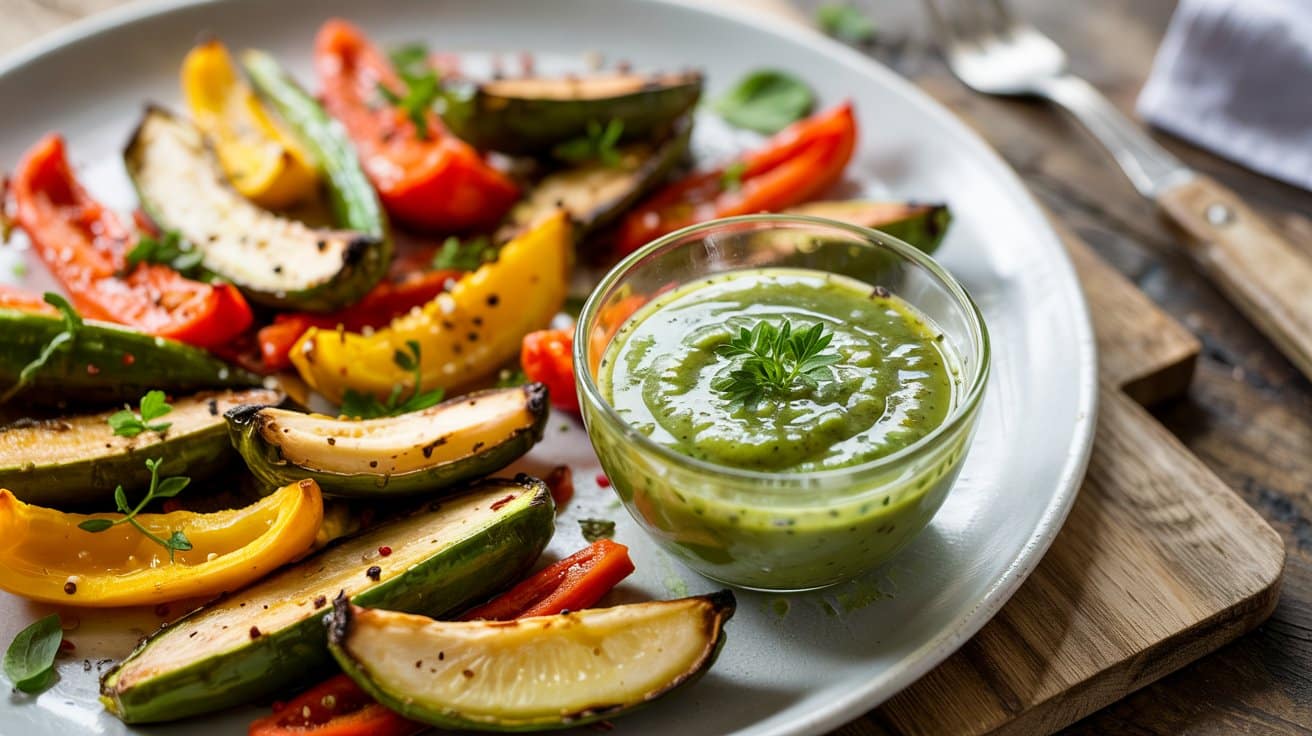
You'll find a variety of sauces here-from creamy and tangy dressings to spicy and smoky pastes, each made with accessible ingredients. These recipes are quick to prepare and versatile, working with different types of vegetables and meals, whether you want a simple weeknight side or a standout dish for guests.
These sauces make adding extra flavor easy without adding much time or cleanup. Many can be made ahead or whipped up in just minutes, making them practical for busy cooks looking to add a fresh twist to roasted vegetables.
1. Lemon Tahini Sauce
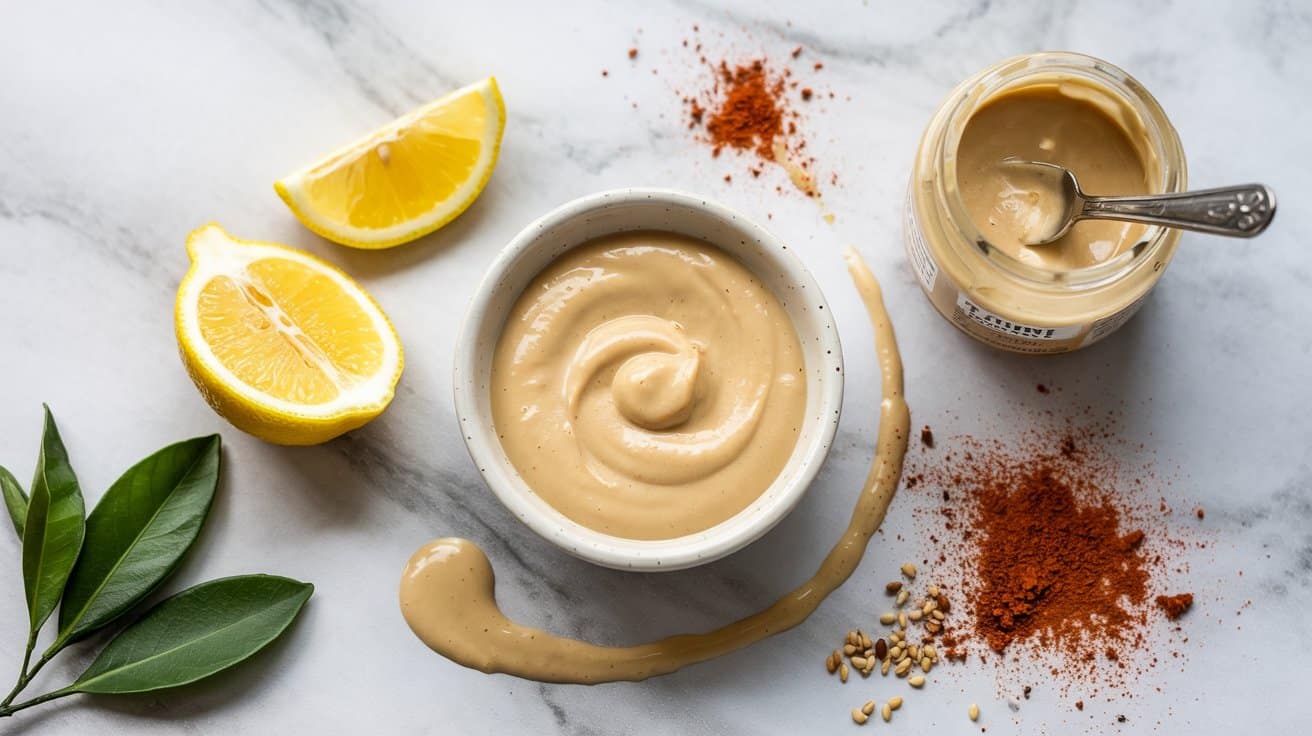
Lemon tahini sauce is a simple blend of creamy, nutty tahini and bright, tangy lemon juice that brings a fresh lift to many dishes. Its smooth texture and bold flavor make it a go-to accompaniment for roasted vegetables, grain bowls, or as a quick salad dressing.
Preparing this sauce takes just a few minutes, often 5-7 minutes of whisking, making it a handy staple when you want to add richness and brightness without fuss, or pulse it in a food processor for 30 seconds for an ultra-smooth texture.
The balance between the rich sesame paste and the zesty lemon really enhances vegetable-forward meals; for another tangy emulsified condiment, see remoulade sauce guide and uses, and for alternatives try citrus substitutes for lemon juice.
It's a flavorful yet wholesome option that complements a variety of meals throughout the week, with a creamy, nutty finish that pairs well with roasted roots, especially carrots and parsnips.
Why This Recipe Works
This lemon tahini sauce recipe is practical, versatile, and packed with flavor, making it a good addition to your meal rotation.
- Convenience - Comes together quickly with minimal ingredients and equipment.
- Flavor balance - Combines creamy texture with tangy and slightly bitter citrus notes.
- Versatility - Works well as a dip, dressing, or drizzle over roasted vegetables and grains.
- Ease of customization - Adjust thickness and acidity easily to your preference.
Ingredient Swap Ideas
Swapping ingredients can help adapt the sauce to different diets or flavor preferences while keeping its essential characteristics.
- Tahini substitute - Use almond butter or sunflower seed butter if you want a different nutty flavor or have sesame allergies.
- Lemon juice alternative - Replace fresh lemon juice with lime juice or a splash of vinegar for acidity.
- Moisture adjustment - Use water, aquafaba, or unsweetened plant-based milk to thin the sauce based on desired consistency.
- Flavor additions - Add minced garlic, ground cumin, or chopped herbs like parsley or cilantro for extra layers of flavor.
Ingredients
- ½ cup tahini - Smooth sesame paste, the creamy base of the sauce.
- ¼ cup fresh lemon juice - Adds brightness and tang.
- ¼ cup cold water - Used to thin the sauce to a pourable consistency.
- ½ teaspoon salt - Enhances and balances flavors.
- ¼ teaspoon ground cumin - Adds subtle warmth and earthiness.
- 1 tablespoon olive oil - Adds richness and smoothness.
- Optional: 1 garlic clove, minced - For a mild, savory kick.
Instructions
- In a medium bowl, whisk together the tahini, lemon juice, and salt until the mixture thickens and begins to lighten in color. This indicates the lemon juice has been fully incorporated.
- Gradually add cold water, whisking constantly until the sauce reaches a smooth, pourable consistency. Adjust the amount of water if necessary for thicker or thinner sauce.
- Stir in ground cumin and olive oil until evenly combined. Add minced garlic if using, and mix well.
- Taste the sauce and adjust seasoning with more salt or lemon juice if needed.
- Serve immediately or store in an airtight container in the refrigerator for up to one week. Stir well before using.
2. Garlic Herb Chimichurri
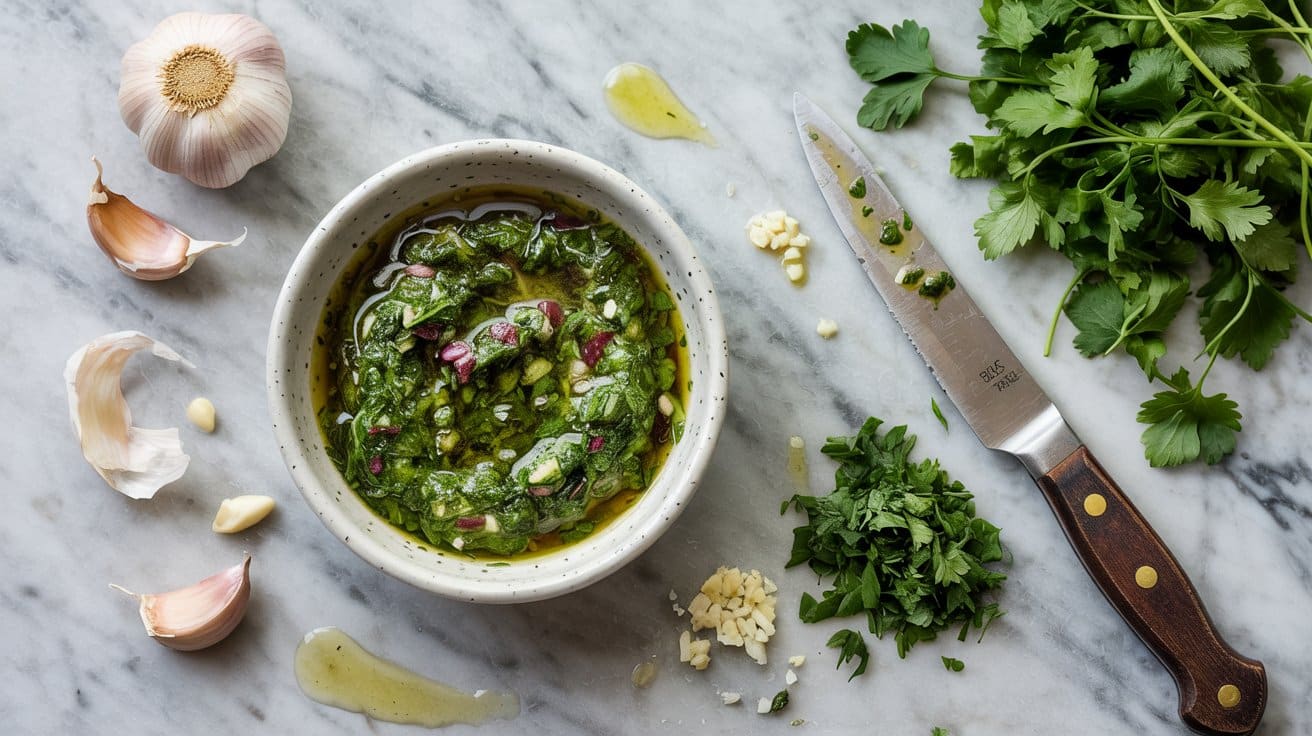
Garlic herb chimichurri, a traditional Argentine green sauce, brings a fresh, bright punch to any roasted vegetable or grilled protein; it pairs especially well with seafood like lemon garlic shrimp in the air fryer.
This sauce is both easy to prepare and versatile, using about ¼ cup olive oil per cup of herbs, adding a lively, herby flavor to roasted eggplant, peppers, zucchini, or even meats. It's a great way to brighten up simple dishes without a lot of fuss.
If you want more heat, try chili garlic sauce substitutes for bold heat.
Why This Recipe Works
This chimichurri sauce offers a fresh burst of flavor that complements a wide variety of dishes. It's simple to make and can be prepared ahead for convenience.
- Convenience - Quick chopping and mixing make this a fast prep sauce to brighten meals.
- Flavor balance - The sharp garlic, tangy vinegar, and fresh herbs create a lively, well-rounded taste.
- Versatility - It pairs well with roasted vegetables, grilled meats, and even as a zesty salad drizzle.
- Make-ahead friendly - Flavors meld and deepen when chilled for an hour or more before serving.
Ingredient Swap Ideas
Swapping ingredients can help tailor chimichurri to your taste preferences or dietary needs without losing its signature flavor boost.
- Herbs - Replace cilantro with extra parsley or add fresh oregano for a different herb profile.
- Oil - Use avocado oil instead of olive oil for a lighter taste and higher smoke point.
- Vinegar - Swap red wine vinegar for apple cider vinegar for a milder acidity.
- Garlic - Substitute roasted garlic for raw if you prefer a smoother, less sharp garlic flavor.
Ingredients
- 1 cup fresh parsley leaves loosely packed, washed and chopped
- ½ cup fresh cilantro leaves loosely packed, washed and chopped
- 4 cloves garlic minced finely
- 2 tablespoons red wine vinegar for tangy brightness
- ½ cup extra-virgin olive oil smooth and fruity
- ½ teaspoon red pepper flakes optional for mild heat
- ½ teaspoon salt to taste
- ¼ teaspoon black pepper freshly ground
Instructions
- Combine the chopped parsley, cilantro, and minced garlic in a medium bowl. Stir until evenly mixed.
- Add the red wine vinegar along with the salt, black pepper, and red pepper flakes if using. Stir to blend.
- Slowly drizzle in the olive oil, whisking gently to combine the herbs and oil into a loose, emulsified sauce.
- Taste and adjust seasoning with extra salt or vinegar if needed. Let the chimichurri rest for at least 15 minutes before serving to allow the flavors to meld.
- Use immediately over roasted vegetables or grilled meats, or cover and refrigerate for up to 3 days. Bring to room temperature and stir before serving.
3. Roasted Red Pepper Romesco Sauce
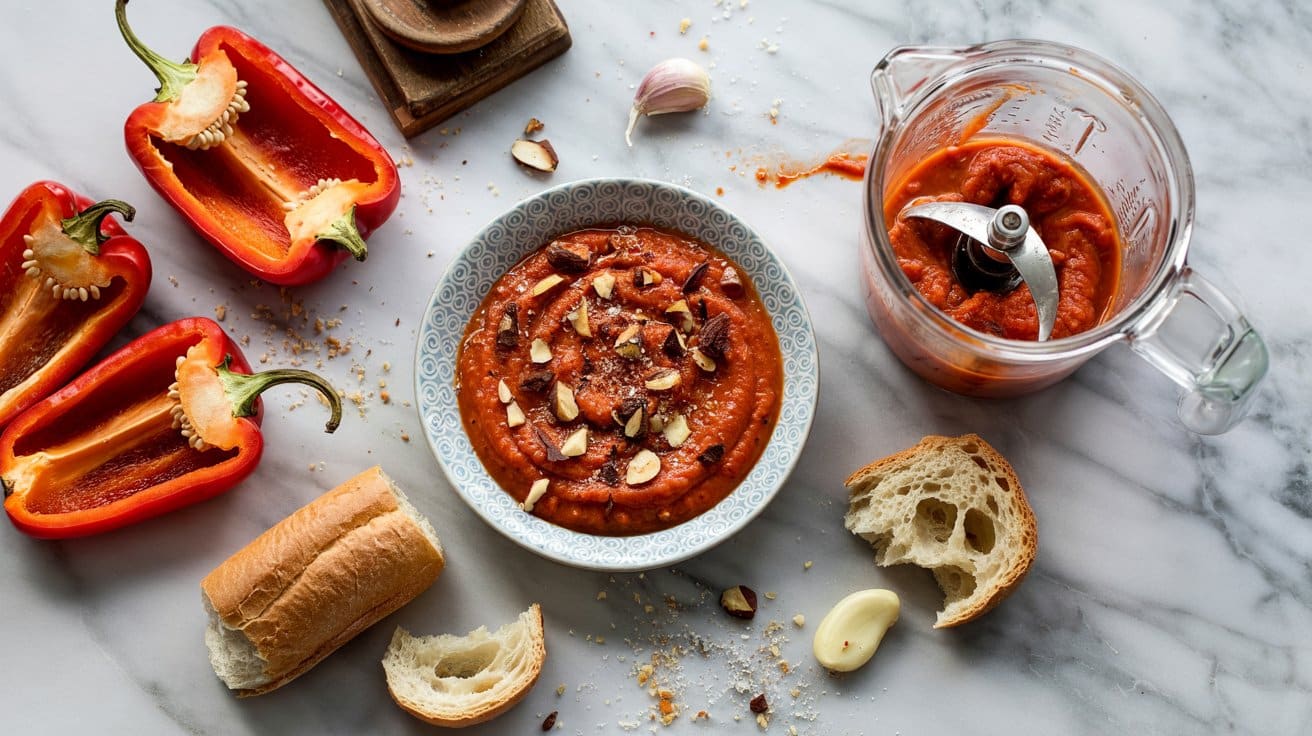
Romesco sauce, originating in Catalonia, is a smoky and nutty Spanish classic that blends roasted red peppers, almonds, and smoked paprika into a bright, flavorful sauce. It's a simple recipe that transforms everyday vegetables like roasted potatoes or cauliflower into something special with just a few ingredients.
This sauce strikes a great balance between smoky warmth and a subtle sweetness, making it versatile enough to pair with grilled meats, seafood, or even as a spread on sandwiches, and for a touch of heat you can substitute red pepper flakes - see red pepper flakes substitutes for added spice.
Why This Recipe Works
This romesco sauce brings bright flavor and satisfying texture with minimal fuss. It can be prepared ahead and stored, making it a handy addition to any meal.
- Convenience - Quick to prepare with basic pantry ingredients and perfect for make-ahead use.
- Flavor balance - Combines smoky, nutty, tangy, and slightly sweet notes in one rich sauce.
- Versatility - Works well as a dip, sauce, or spread with a variety of roasted vegetables and proteins.
- Texture - Smooth yet with a bit of crunch from the toasted almonds adding depth.
Ingredient Swap Ideas
Swapping ingredients can help you adjust the sauce to your taste or dietary needs without losing the essential character of this Romesco.
- Almonds - Use hazelnuts or toasted walnuts for a different nutty flavor.
- Red peppers - Substitute with jarred roasted red peppers if fresh are not available or for a quicker option.
- Smoked paprika - Replace with regular paprika combined with a small pinch of cayenne pepper for mild heat.
- Olive oil - Use avocado or walnut oil for a slightly different richness and flavor.
Ingredients
- 2 large red bell peppers - Roasted, peeled, and seeded for natural sweetness and smokiness.
- ⅓ cup almonds - Toasted to bring out their nutty flavor and add texture.
- 2 cloves garlic - Minced, for aromatic depth.
- 1 tablespoon sherry vinegar - Adds bright acidity to balance the richness.
- 1 teaspoon smoked paprika - Provides the distinctive smoky element.
- ¼ teaspoon cayenne pepper - For gentle heat to improve the flavor layers.
- ½ teaspoon salt - To season and enhance all flavors.
- ¼ cup extra virgin olive oil - Adds smooth richness and binds the sauce.
- 1 slice day-old bread - Toasted and crumbled, used as a thickening agent.
Instructions
- Roast the red bell peppers over a gas flame or under a broiler until the skin is charred and blistered all over. Place them in a covered bowl or plastic bag to steam for 10 minutes, then peel off the skin, remove stems and seeds.
- Toast the almonds in a dry skillet over medium heat until golden and fragrant. Let them cool slightly.
- In a food processor, combine the roasted peppers, toasted almonds, garlic, sherry vinegar, smoked paprika, cayenne pepper, salt, and toasted bread. Pulse until the mixture is roughly blended but still textured.
- With the processor running, slowly drizzle in the olive oil until the sauce is smooth with a slightly chunky consistency. Stop and scrape down the sides as needed to combine everything evenly.
- Taste and adjust seasoning with more salt or vinegar if desired. Serve the sauce at room temperature alongside roasted potatoes, grilled vegetables, or as a flavorful dip.
Store any leftover sauce in an airtight container in the fridge for up to one week. It also freezes well for longer storage.
4. Classic Basil Pesto
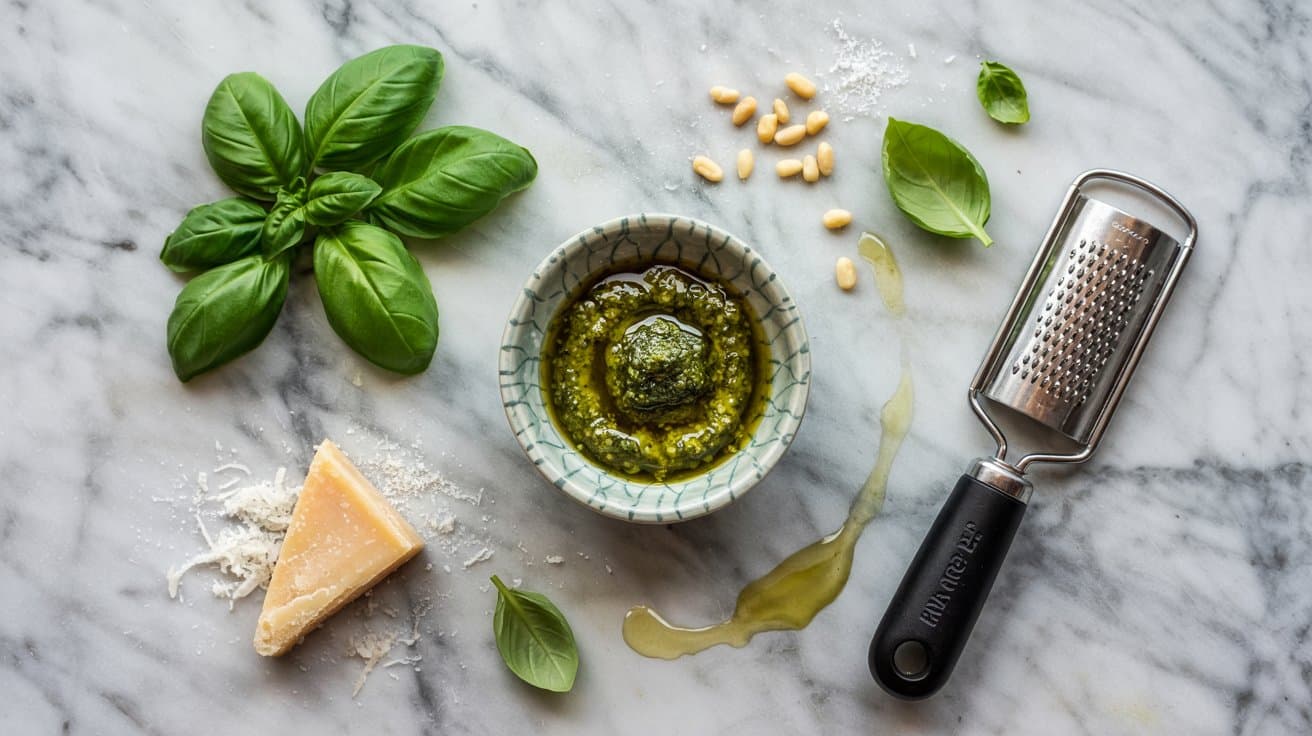
Classic basil pesto is a bright and herbaceous sauce that brings fresh flavor to many dishes. Its bright green color and fragrant aroma make it especially appealing for drizzling over roasted vegetables like asparagus or green beans.
This sauce combines fresh basil, garlic, nuts, cheese, and olive oil, resulting in a rich but fresh taste that complements both simple and more elaborate meals. It's easy to prepare and can be made ahead, which makes it a handy staple for busy cooks.
Why This Recipe Works
This pesto recipe highlights fresh ingredients that come together quickly and deliver bold, lively flavor every time. It adds an instant punch of brightness to your meals without requiring complex techniques or hard-to-find ingredients.
- Convenience - Quick to prepare with minimal equipment and can be stored for later use.
- Flavor balance - Combines fresh basil, tangy cheese, and savory garlic for a well-rounded taste.
- Versatility - Works well as a sauce, spread, or dip and complements many dishes.
- Freshness - Uses raw ingredients to preserve bright, herbal notes and natural oils.
Ingredient Swap Ideas
Swapping ingredients can help tailor this pesto to different dietary preferences or available pantry items without losing its character. These substitutions keep the core flavor while offering flexibility to suit your needs.
- Nuts - Use walnuts, cashews, or almonds instead of pine nuts to vary texture and flavor.
- Cheese - Replace Parmesan with Pecorino Romano for a sharper, saltier profile or nutritional yeast for a dairy-free option.
- Greens - Swap out basil for baby spinach or arugula for a milder or peppery note.
- Oil - Use avocado oil or light olive oil if you prefer a less strong oil flavor.
Ingredients
- 2 cups fresh basil leaves packed, washed and dried.
- ½ cup pine nuts toasted lightly for a nutty depth.
- 2 cloves garlic peeled.
- ½ cup freshly grated Parmesan cheese for salty richness.
- ½ cup extra-virgin olive oil to bring everything together smoothly.
- ¼ teaspoon salt adjust to taste.
- Freshly ground black pepper to taste.
Instructions
- Toast the pine nuts in a dry skillet over medium heat for 3 to 5 minutes, stirring frequently until golden and fragrant. Remove from heat and let cool.
- In a food processor or blender, combine the basil leaves, toasted pine nuts, garlic, and Parmesan cheese. Pulse several times to break down the ingredients.
- With the machine running, slowly pour in the olive oil in a steady stream until the mixture emulsifies into a smooth, thick sauce.
- Season with salt and black pepper to taste, and pulse a few more times to incorporate. Adjust seasoning or add a bit more olive oil if needed for desired consistency.
- Transfer the pesto to a bowl or jar and use immediately, or refrigerate in an airtight container for up to one week. Stir before using, especially if oil separates.
Enjoy drizzling this fresh pesto over your roasted vegetables, pasta, sandwiches, or as a bright topping for grilled chicken or fish.
5. Miso Ginger Dressing
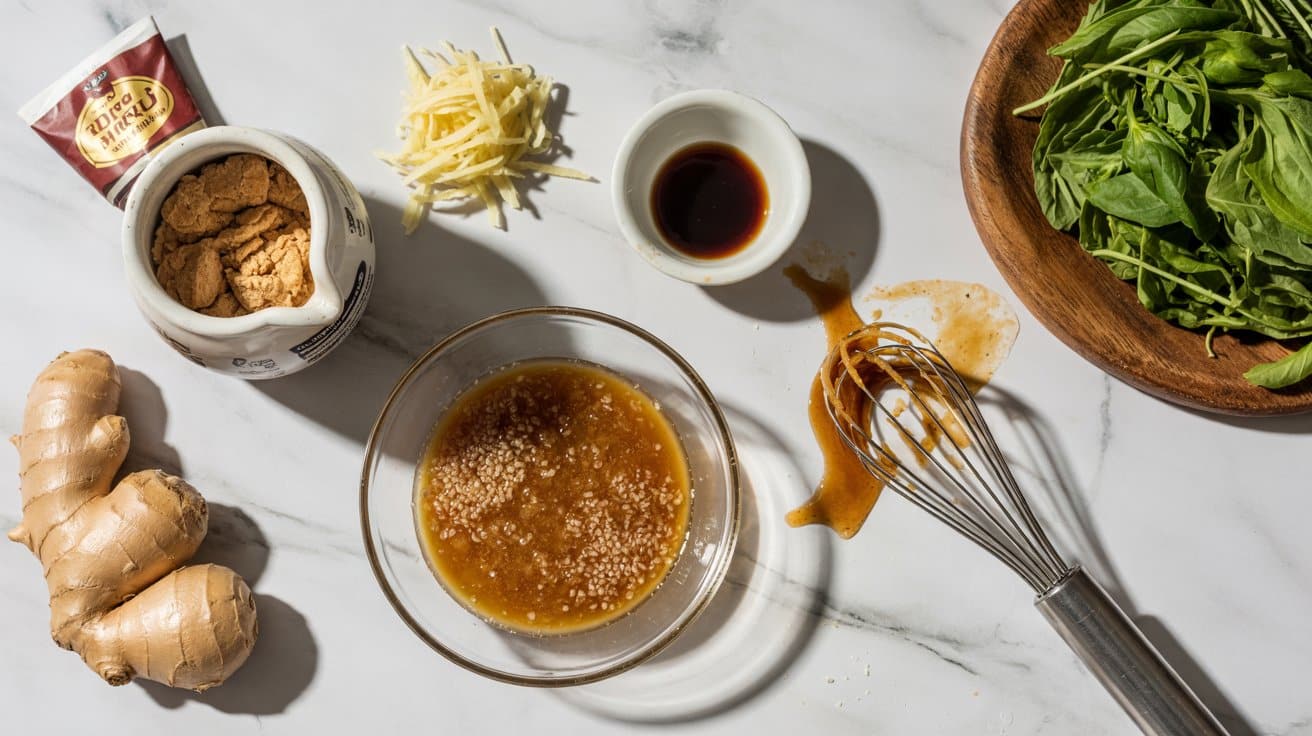
This miso ginger dressing brings a rich umami depth that goes well with roasted vegetables like carrots or sweet potatoes. The fresh ginger adds a zingy warmth, while the rice vinegar offers a bright, tangy balance that lifts the whole dish.
Making this dressing takes just a few minutes, and it can quickly turn simple roasted veggies into something flavorful and satisfying.
The creamy texture from the miso blends smoothly with the sharpness of ginger and the mild acidity from the vinegar. It's an easy way to add complexity and freshness to your meals without much fuss.
Why This Recipe Works
This dressing is a versatile boost of flavor that you can rely on for a quick, nutritious addition to many dishes.
- Convenience - Comes together in minutes using pantry staples.
- Flavor balance - Combines savory miso with bright ginger and tangy vinegar for a well-rounded taste.
- Versatility - Works well on roasted vegetables, salads, grain bowls, or as a dipping sauce.
- Make-ahead friendly - Keeps well refrigerated, making it great for meal prep.
Ingredient Swap Ideas
Adjusting the ingredients can tailor this dressing to suit your preferences or dietary needs without losing its core character.
- White miso - Substitute with yellow or red miso if you want a stronger or milder flavor.
- Rice vinegar - Use apple cider vinegar or white wine vinegar as a gentle alternative.
- Fresh ginger - Replace with ground ginger if fresh isn't available, using about ¼ teaspoon.
- Neutral oil - Swap vegetable oil with avocado or light olive oil for a different flavor.
Ingredients
- 3 tablespoons white miso paste - Provides the salty, savory base.
- 1 tablespoon freshly grated ginger - Adds bright, spicy notes.
- 2 tablespoons rice vinegar - Brings mild acidity to balance flavors.
- 1 tablespoon soy sauce - Enhances depth and umami.
- 2 tablespoons neutral oil - Like vegetable or canola oil for smooth texture.
- 1 teaspoon honey or maple syrup - adds some sweetness.
- 1 clove garlic, minced - Gives subtle pungency and warmth.
Instructions
- Combine the miso paste, grated ginger, rice vinegar, soy sauce, oil, honey (or maple syrup), and minced garlic in a medium bowl.
- Whisk the ingredients together until the mixture is smooth and well blended.
- Taste and adjust seasoning if needed by adding a little more vinegar for brightness or honey for sweetness.
- Use immediately or transfer to a sealed container and refrigerate for up to one week. Stir well before serving.
- Drizzle over warm roasted vegetables or toss with a fresh salad just before serving.
6. Spicy Harissa Sauce
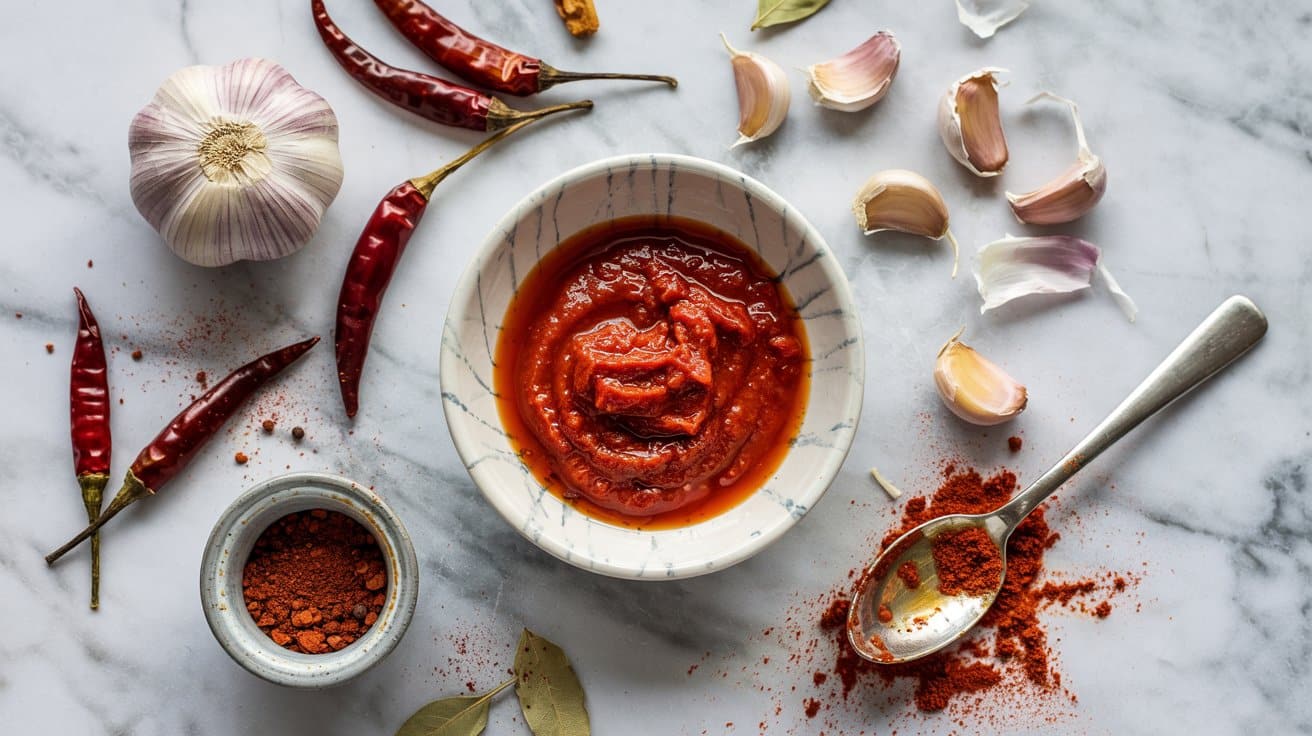
This Spicy Harissa Sauce brings bold North African flavors to your dishes with an inviting mix of heat and complexity. It combines chili peppers, garlic, and spices blended smoothly with olive oil, creating a versatile paste that improves roasted vegetables, grilled meats, or even as a condiment for sandwiches.
Making harissa from scratch is straightforward and lets you adjust the heat level to suit your taste. It's a fantastic way to bring warmth and a little kick to meals without relying on bottled sauces.
Why This Recipe Works
This recipe packs a flavorful punch while remaining quick to prepare and adaptable to many dishes. Harissa sauce delivers a rich heat combined with aromatic spices, improving everyday meals with minimal fuss.
- Convenience - Simple ingredients and quick blending make this sauce easy to whip up anytime.
- Flavor balance - Combines smoky, spicy, and tangy notes for a well-rounded taste.
- Versatility - Use it as a marinade, dip, or sauce for vegetables, meats, and grains.
- Health-conscious - Olive oil and spices offer good fats and antioxidants without added sugars or preservatives.
Ingredient Swap Ideas
Swapping some ingredients helps tailor this harissa sauce for different preferences or dietary needs without losing its signature flavor.
- Chili peppers - Use milder peppers like red bell or Anaheim if you prefer less heat.
- Olive oil - Substitute with avocado oil or a mild vegetable oil for a different flavor.
- Spices - Add smoked paprika instead of regular paprika for a deeper smoky taste.
- Garlic - Use roasted garlic for a sweeter, milder aroma instead of raw garlic.
Ingredients
- 4 dried red chili peppers - Stemmed and seeded for moderate heat.
- 2 cloves garlic - Peeled and roughly chopped.
- 1 teaspoon ground cumin - Adds warmth and earthiness.
- 1 teaspoon ground coriander - Provides citrusy, floral notes.
- ½ teaspoon smoked paprika - Offers a subtle smoky flavor.
- ¼ teaspoon ground caraway seeds - Adds a hint of nutty spice.
- 1 tablespoon fresh lemon juice - Brings brightness to the sauce.
- ½ teaspoon salt - Balances the flavors.
- ¼ cup extra-virgin olive oil - Smooths and blends the paste.
Instructions
- Soak dried chili peppers in hot water for 15 minutes to soften, then drain and roughly chop.
- Combine the chopped chilies, garlic, cumin, coriander, smoked paprika, and caraway seeds in a food processor or blender. Pulse until coarsely ground.
- Add lemon juice, salt, and olive oil. Blend until the mixture becomes a smooth paste, scraping the sides as needed for even consistency.
- Taste and adjust seasoning, adding more lemon juice or salt if desired.
- Transfer the harissa sauce to a clean jar and refrigerate. It can be stored for up to two weeks and tastes even better after resting.
Use this spicy harissa to enhance roasted eggplant, drizzle over grilled chicken, or stir into couscous for an extra punch of North African flavor.
7. Creamy Greek Yogurt Dill Sauce
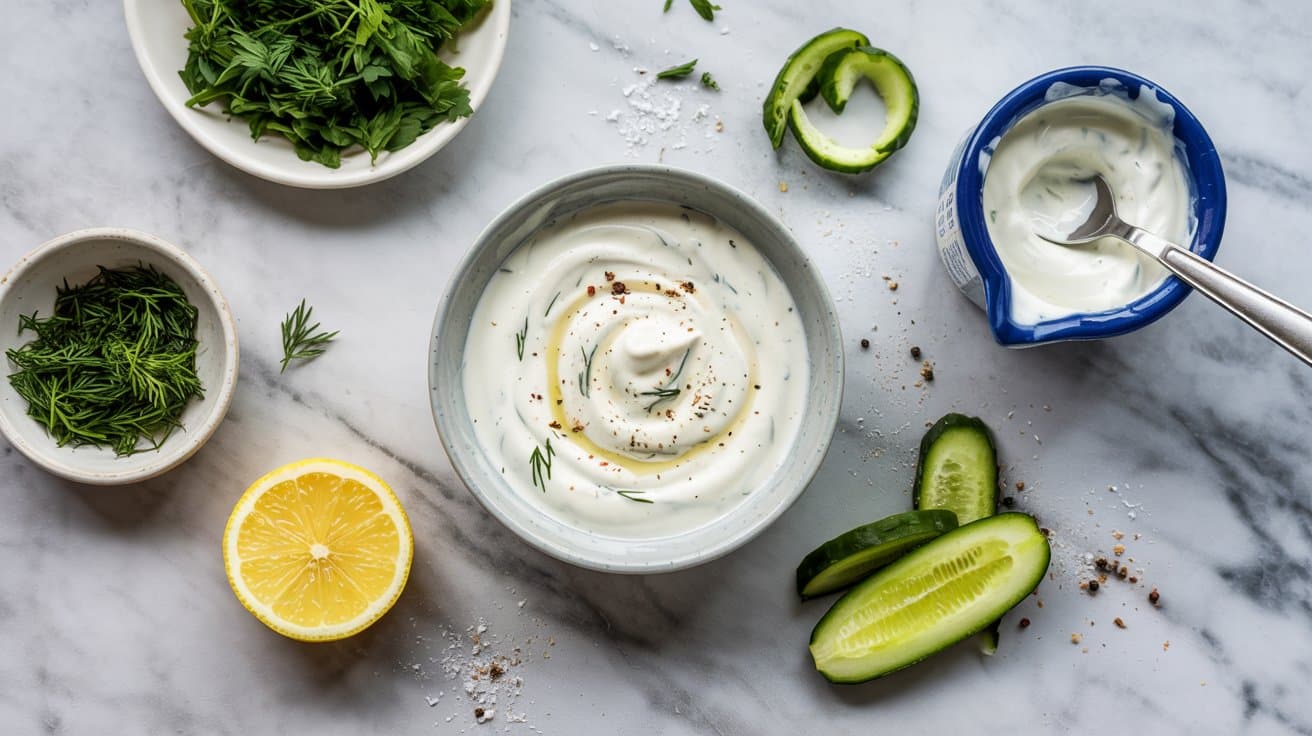
This creamy Greek yogurt dill sauce brings together a refreshing blend of tangy yogurt and fresh, herby dill. It's smooth, light, and wonderfully cooling, making it a great companion to spicy roasted or grilled vegetables.
The simple preparation means you can whip it up quickly, adding a bright, flavorful touch to a variety of dishes. It's a versatile sauce that enhances meals without overpowering them.
Why This Recipe Works
This sauce offers a fresh and healthy way to improve everyday vegetables and more while being simple enough to prepare anytime.
- Convenience - Ready in minutes using just a few common ingredients.
- Flavor balance - Combines tangy yogurt with fresh, aromatic dill for a well-rounded taste.
- Texture - Silky smooth yet thick enough to coat and complement dishes well.
- Appeal - Works well as a dip, dressing, or sauce, suitable for various meals.
Ingredient Swap Ideas
Swapping ingredients in this sauce allows you to adjust it for different dietary needs or flavor preferences without losing its fresh feel. Try these alternatives to keep it light and tasty.
- Greek yogurt - Use plain regular yogurt or plant-based yogurt for dairy-free options.
- Fresh dill - Substitute with fresh parsley or chives for a different herb flavor.
- Lemon juice - Lime juice can provide a subtle, citrusy twist.
- Garlic - Use garlic powder if fresh garlic is not available.
Ingredients
- 1 cup Greek yogurt - Thick and creamy base that gives tang and richness.
- 2 tablespoons fresh dill, chopped - Adds bright, herbal notes.
- 1 tablespoon fresh lemon juice - Provides fresh acidity and brightness.
- 1 small garlic clove, minced - Imparts subtle pungency and depth.
- ¼ teaspoon salt - Enhances all the flavors.
- ⅛ teaspoon black pepper - Adds mild warmth.
Instructions
- Combine Greek yogurt, chopped dill, and lemon juice in a small bowl. Stir until smooth and well mixed.
- Add the minced garlic, salt, and black pepper. Stir again to incorporate all ingredients evenly.
- Taste the sauce and adjust seasoning if needed, adding more salt or lemon juice for your preferred balance.
- Cover and refrigerate for at least 15 minutes before serving. This allows the flavors to meld together well.
- Serve chilled alongside spicy roasted vegetables, grilled veggies, or as a fresh dip. Store any leftovers in the refrigerator for up to 3 days.
8. Maple Mustard Vinaigrette
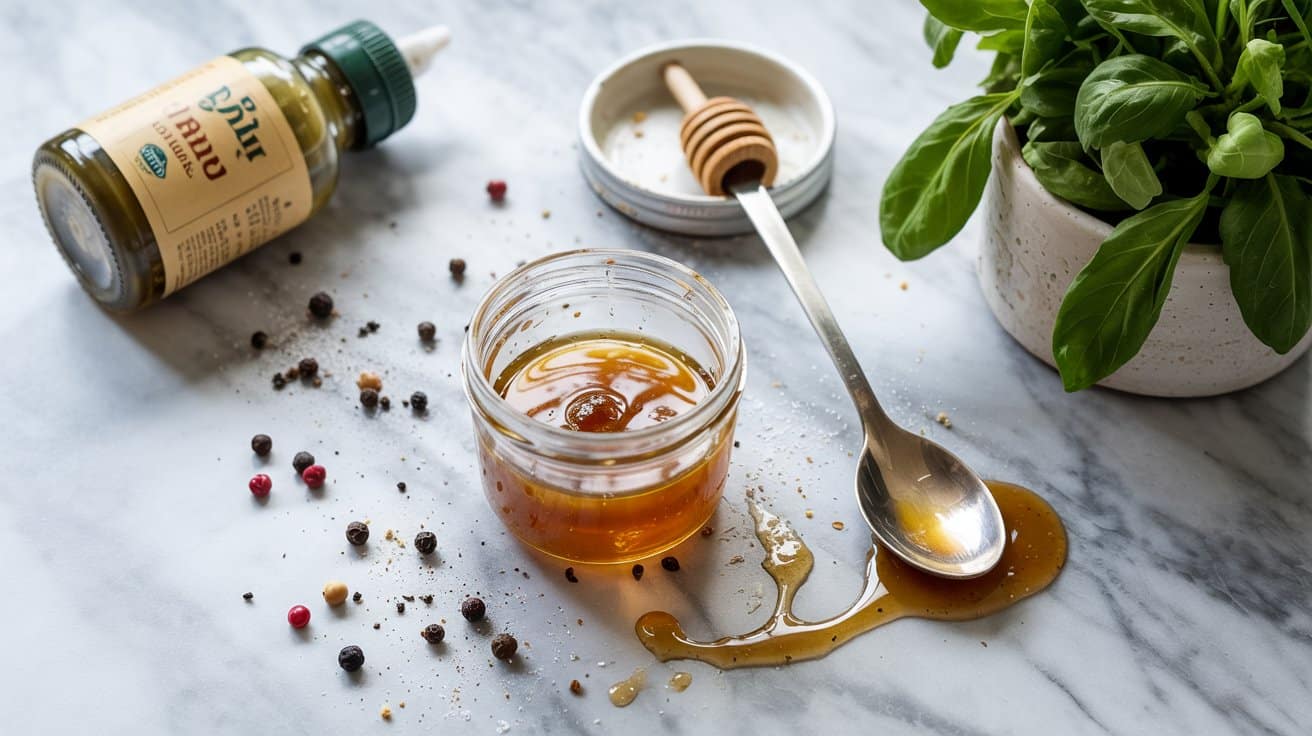
This maple mustard vinaigrette adds a lovely sweet and tangy note that brings roasted vegetables to life. It's especially good with Brussels sprouts or root vegetables, giving them a balanced flavor with a touch of warmth from the maple syrup and a bit of bite from the whole grain mustard.
Making this vinaigrette takes just a few minutes, and it's a straightforward way to brighten up any side dish without overpowering it. The combination of ingredients is simple and approachable but offers enough depth to complement hearty vegetables perfectly.
Why This Recipe Works
This vinaigrette stands out because of its balanced sweet and tangy taste, and its ease of preparation makes it a reliable choice for busy home cooks. It enhances vegetables without masking natural flavors, making it adaptable for different meals.
- Convenience - Comes together quickly with common pantry staples.
- Flavor balance - Combines sweet maple syrup with tangy mustard and vinegar for well-rounded taste.
- Versatility - Works well on roasted Brussels sprouts, carrots, parsnips, or even a fresh salad.
- Healthy choice - Uses wholesome ingredients with no artificial additives or refined sugars.
Ingredient Swap Ideas
Adjusting this vinaigrette to suit dietary preferences or ingredient availability is easy without losing its signature taste. Swapping a few items keeps it fresh while maintaining the essential sweet and tangy profile.
- Maple syrup - Substitute with honey or agave nectar for different natural sweeteners.
- Whole grain mustard - Use Dijon mustard for a smoother texture and milder taste.
- Apple cider vinegar - Replace with white wine vinegar or lemon juice for a different acidity profile.
- Olive oil - Use avocado or walnut oil for a richer or nuttier flavor variation.
Ingredients
- 3 tablespoons apple cider vinegar - Adds brightness and tang to the dressing.
- 1 tablespoon whole grain mustard - Provides a strong, slightly spicy texture and flavor.
- 1 tablespoon pure maple syrup - Brings natural sweetness and depth.
- ½ cup extra-virgin olive oil - Balances acidity and enriches the vinaigrette.
- ½ teaspoon salt - Enhances overall flavor.
- ¼ teaspoon freshly ground black pepper - Adds mild heat and complexity.
Instructions
- In a small bowl, whisk together the apple cider vinegar, whole grain mustard, and maple syrup until well combined.
- Slowly drizzle in the olive oil while continuing to whisk, creating a smooth and slightly thickened vinaigrette.
- Season with salt and black pepper, then taste and adjust seasoning if needed.
- Use immediately over warm roasted vegetables or store in the refrigerator in an airtight container for up to a week. Whisk again before serving if ingredients separate.
9. Peanut Satay Sauce
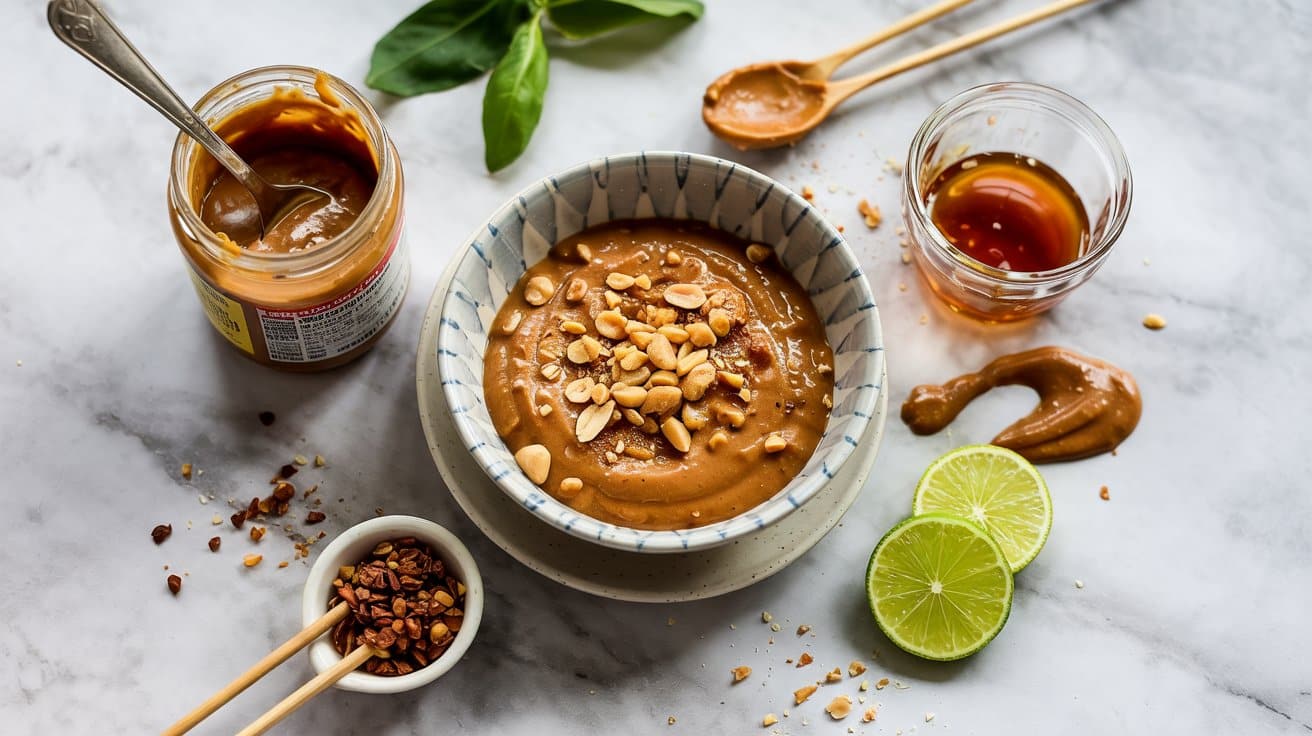
Peanut Satay Sauce is a smooth, nutty, and slightly spicy sauce inspired by Thai flavors. It offers a perfect balance of savory richness and a touch of heat, making it a versatile addition to many dishes.
This sauce works especially well as a dip for roasted vegetables like broccoli or cauliflower, adding depth and flavor without overwhelming the natural taste of the produce.
Its creamy texture makes it easy to drizzle or dip, and it comes together quickly with simple ingredients. Whether you're preparing a weeknight meal or planning a casual gathering, this sauce enhances your food in a flavorful yet approachable way.
Why This Recipe Works
This Peanut Satay Sauce stands out for its ease and bold flavor, adding a nutritious element to your meals.
- Convenience - Quick to prepare with common pantry ingredients and requires minimal cooking.
- Flavor balance - Combines creamy peanut butter with tangy lime and a hint of spice for a layered taste experience.
- Versatility - is a dip, drizzle, or marinade suited for vegetables, meats, or grain bowls.
- Diet-friendly - Naturally gluten-free and easily adaptable for vegan diets.
Ingredient Swap Ideas
Adjusting this sauce allows you to customize it for different diets or flavors without losing its essence.
- Peanut butter - Use almond or cashew butter for a different nutty flavor or to accommodate peanut allergies.
- Soy sauce - Replace with tamari for a gluten-free option or coconut aminos if avoiding soy entirely.
- Sweetener - Swap honey with maple syrup or agave for a vegan-friendly alternative.
- Chili - Omit fresh chili or substitute with a pinch of cayenne powder to control heat level.
Ingredients
- ½ cup creamy peanut butter - Provides the rich and nutty base of the sauce.
- ¼ cup coconut milk - Adds creaminess and smooth texture.
- 2 tablespoons soy sauce - Brings savory umami depth.
- 1 tablespoon lime juice - Offers bright acidity to balance richness.
- 1 tablespoon brown sugar - Gives a subtle sweetness.
- 1 small garlic clove, minced - Adds a mild pungent aroma.
- 1 teaspoon grated fresh ginger - Contributes warm, spicy notes.
- 1 small red chili, finely chopped - For a touch of heat (adjust to preference).
- Water as needed - To thin the sauce to desired consistency.
Instructions
- In a medium bowl, combine the peanut butter, coconut milk, soy sauce, lime juice, and brown sugar. Whisk until smooth and well blended.
- Stir in the minced garlic, grated ginger, and finely chopped red chili. Mix thoroughly to distribute the flavors evenly.
- Add water a tablespoon at a time to adjust the sauce's thickness. The sauce should be pourable but not too thin.
- Taste and adjust seasoning as needed, adding more lime juice for brightness or sugar for sweetness.
- Use immediately as a dip or drizzle, or refrigerate in an airtight container for up to 3 days. Stir before serving.
This sauce goes well with roasted broccoli or cauliflower, grilled chicken, or even as a flavorful dressing for salads or grain bowls.
10. Balsamic Glaze Reduction
Balsamic glaze reduction is a simple yet powerful way to add sweet, tangy flavor to a variety of dishes. It transforms plain balsamic vinegar into a thick, syrupy drizzle that goes well with roasted vegetables like mushrooms and beets, boosting their natural sweetness and creating a lovely contrast.
Making this glaze requires just a few minutes and minimal ingredients, yet it adds immediate depth and richness to salads, grilled meats, or even desserts. It's a handy staple that you can keep in your fridge to finish meals with elegance and ease.
Why This Recipe Works
This balsamic glaze reduction shines because of its intense flavor and simple preparation. It's a versatile condiment that enhances dishes without overpowering them, making it a good addition to many meals.
- Convenience - Takes just 10-15 minutes to prepare with minimal ingredients.
- Flavor balance - Sweet and tangy notes that complement both savory and sweet foods.
- Texture - Thick, syrupy consistency perfect for drizzling or dipping.
- Versatility - Works well with vegetables, meats, cheeses, and even fruit.
Ingredient Swap Ideas
Swapping ingredients can easily adjust this glaze to suit your taste or dietary preferences without losing its core character. These swaps keep the flavor intact while offering alternatives depending on availability or needs.
- Balsamic vinegar - Use aged balsamic or white balsamic for different flavor intensities.
- Sweetener - Replace honey with maple syrup or brown sugar to vary sweetness or accommodate vegan diets.
- Additional flavor - Add herbs like rosemary or thyme during reduction for a herbal hint.
- Thickness - Stir in a small amount of cornstarch slurry if you desire a thicker glaze faster.
Ingredients
- 1 cup balsamic vinegar - Standard balsamic vinegar with balanced sweetness and acidity.
- 2 tablespoons honey - Adds natural sweetness and helps thicken the glaze.
- Pinch of salt - Enhances the complexity of the balsamic flavor.
Instructions
- Pour balsamic vinegar into a small saucepan and place over medium heat. Bring to a gentle simmer.
- Add honey and a pinch of salt, stirring to combine. Maintain a simmer and let the mixture reduce.
- Stir occasionally as it thickens, cooking for about 10-15 minutes until it reaches a syrupy consistency that coats the back of a spoon.
- Remove from heat and allow to cool slightly. It will thicken more as it cools.
- Transfer the glaze to a clean jar or bottle and store in the refrigerator for up to two weeks. Drizzle over roasted vegetables, grilled meats, or salads as desired.
11. Avocado Cilantro Lime Sauce
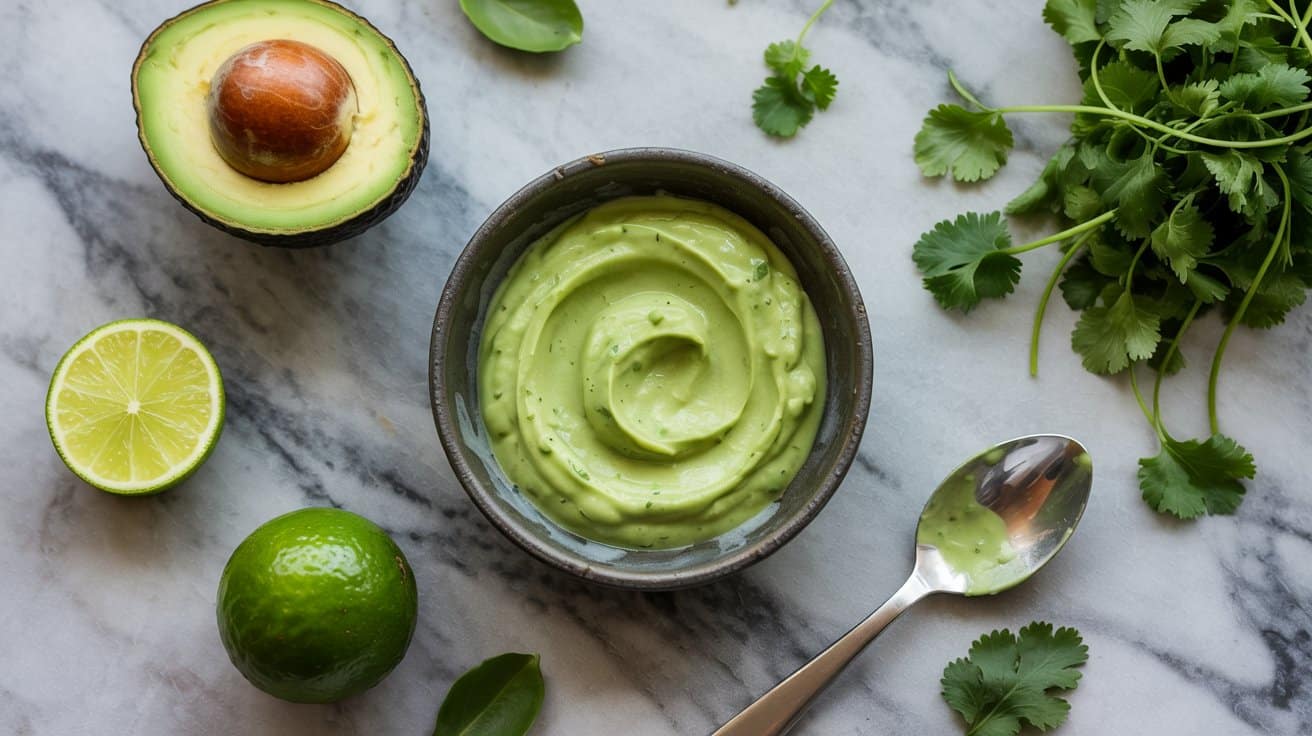
This Avocado Cilantro Lime Sauce brings a fresh, creamy element that brightens up any dish. The smooth avocado base combines beautifully with zesty lime and bright cilantro, delivering a sauce that's both refreshing and richly flavored.
It's quick to prepare, making it an ideal companion for roasted peppers, grilled corn, or even as a topping for tacos and salads. The cool and tangy notes balance warmth and spice, improving simple meals with natural, wholesome ingredients.
Why This Recipe Works
This sauce offers a unique blend of creamy texture and citrus freshness, making it versatile and easy to whip up anytime. Avocado Cilantro Lime Sauce suits a range of meals while adding a nutritious boost.
- Convenience - Ready in just a few minutes with minimal prep needed.
- Flavor balance - Combines creamy avocado with bright lime and fresh herbs for a tangy, smooth sauce.
- Versatility - Works well with vegetables, grilled foods, or as a dip.
- Health-conscious - Packed with healthy fats and fresh ingredients without added preservatives.
Ingredient Swap Ideas
Adjust this sauce to your tastes or dietary needs with a few easy swaps. These suggestions keep the creamy and fresh character intact while offering variety.
- Avocado alternative - Use Greek yogurt for a tangier, protein-rich base.
- Herb options - Replace cilantro with fresh parsley or basil for a different herbaceous note.
- Acid swap - Use lemon juice instead of lime for a subtler citrus flavor.
- Add spice - Include a small jalapeño or a pinch of cayenne to spice things up slightly.
Ingredients
- 1 ripe avocado - peeled and pitted for a creamy foundation.
- ½ cup fresh cilantro leaves - packed for herbal brightness.
- 2 tablespoons fresh lime juice - adds zesty tang and freshness.
- ¼ cup sour cream or Greek yogurt - smooths and enriches the sauce texture.
- 1 small garlic clove - minced to bring aromatic depth.
- ¼ teaspoon salt - enhances overall flavors.
- ⅛ teaspoon ground black pepper - adds subtle warmth.
- 2 tablespoons water - to thin the sauce as needed for desired consistency.
Instructions
- Combine the avocado, cilantro, lime juice, sour cream (or Greek yogurt), and minced garlic in a food processor or blender.
- Blend until smooth and creamy, scraping down the sides as needed to fully incorporate all ingredients.
- Season with salt and black pepper, then blend briefly again to mix.
- Add water gradually to reach your preferred sauce thickness. Blend after each addition to maintain a smooth texture.
- Transfer to a bowl and refrigerate for at least 15 minutes before serving to allow flavors to meld.
Use this sauce as a refreshing dip, drizzle it over roasted peppers or grilled corn, or add it as a creamy, zesty finish to tacos and bowls.
12. Salsa Verde
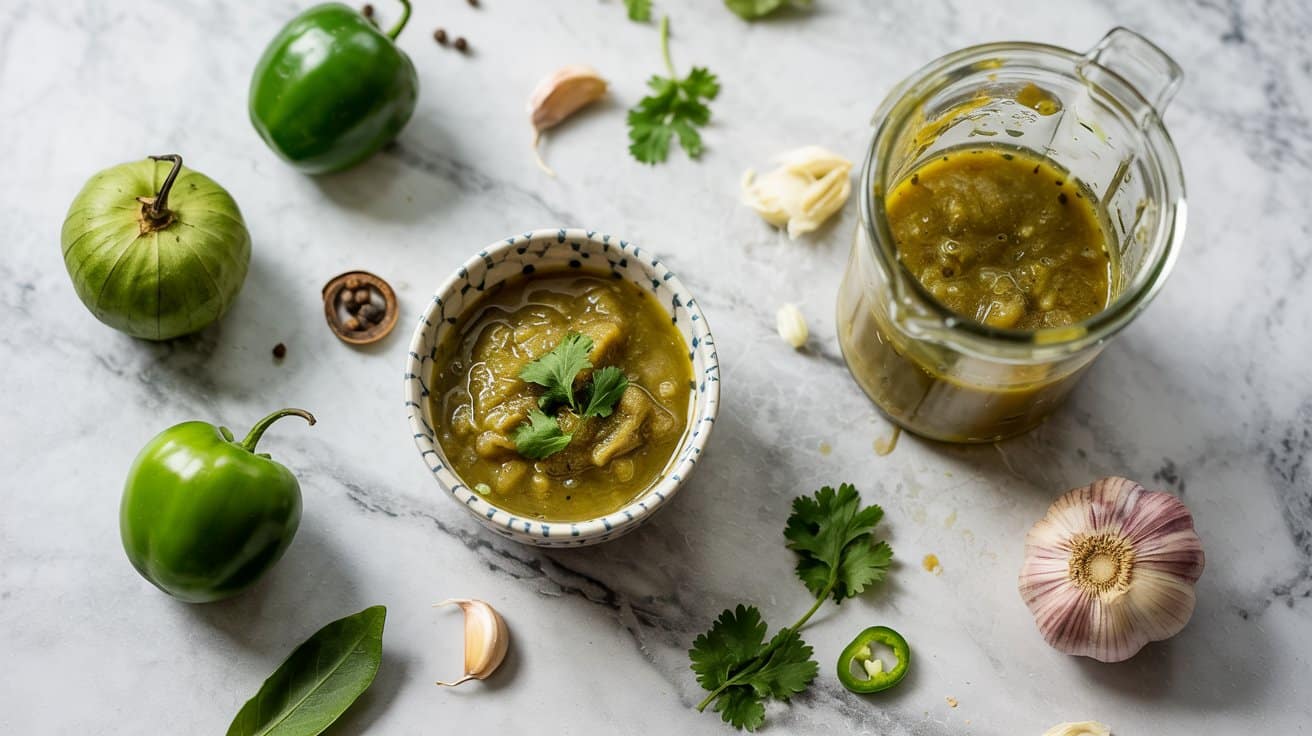
This bright, tangy salsa verde is a simple way to add fresh flavor to a variety of dishes. Made with tomatillos, it brings a lively acidity that balances smoky roasted vegetables or grilled meats beautifully.
The sauce comes together quickly with minimal ingredients, making it ideal for those busy evenings when you want a bright and zesty addition without extra hassle. Its bright green color also adds a fresh look to your plate.
Why This Recipe Works
This salsa verde combines ease, bright flavor, and versatility to improve your meals in a snap.
- Convenience - Quick to prepare with raw or roasted tomatillos and few ingredients.
- Flavor balance - Bright acidity from tomatillos paired with mild spiciness and fresh herbs.
- Versatility - Works well as a sauce, dip, or topping for meats, vegetables, and grains.
- Appeal - Fresh, tangy taste that complements many cuisines and is crowd-pleasing.
Ingredient Swap Ideas
Making small swaps can tailor this salsa verde to suit personal preferences or dietary needs without losing its essential brightness.
- Tomatillos - Substitute with green tomatoes for a less tart version.
- Jalapeño - Use serrano peppers for more heat or omit for a milder sauce.
- Cilantro - Swap with fresh parsley if you're not a cilantro fan.
- Onion - Use shallots for a milder, sweeter flavor.
Ingredients
- 1 pound tomatillos - Husked, washed, and quartered.
- 1 small onion - Quartered.
- 1 jalapeño - Seeded for less heat, chopped.
- ½ cup fresh cilantro leaves - Washed and loosely packed.
- 1 clove garlic - Peeled and minced.
- 1 tablespoon fresh lime juice - Adds brightness and acidity.
- ½ teaspoon salt - Adjust to taste.
- ¼ teaspoon ground cumin - Optional, adds warmth.
- 2 tablespoons water - To thin the salsa if necessary.
Instructions
- Place the tomatillos, onion, and jalapeño on a baking sheet. Roast under a broiler or in a hot oven (450°F) for about 5-7 minutes, turning once, until softened and slightly charred.
- Transfer the roasted vegetables to a blender or food processor. Add the cilantro, garlic, lime juice, salt, cumin, and water.
- Blend until smooth, adding more water as needed to reach your desired consistency. Taste and adjust the salt or lime juice if necessary.
- Pour the salsa into a bowl and chill for 15 to 30 minutes to let the flavors meld.
- Serve with grilled vegetables, chicken, tacos, or as a dip for chips. Store any leftovers in an airtight container in the fridge for up to 5 days.
13. Cilantro Mint Chutney
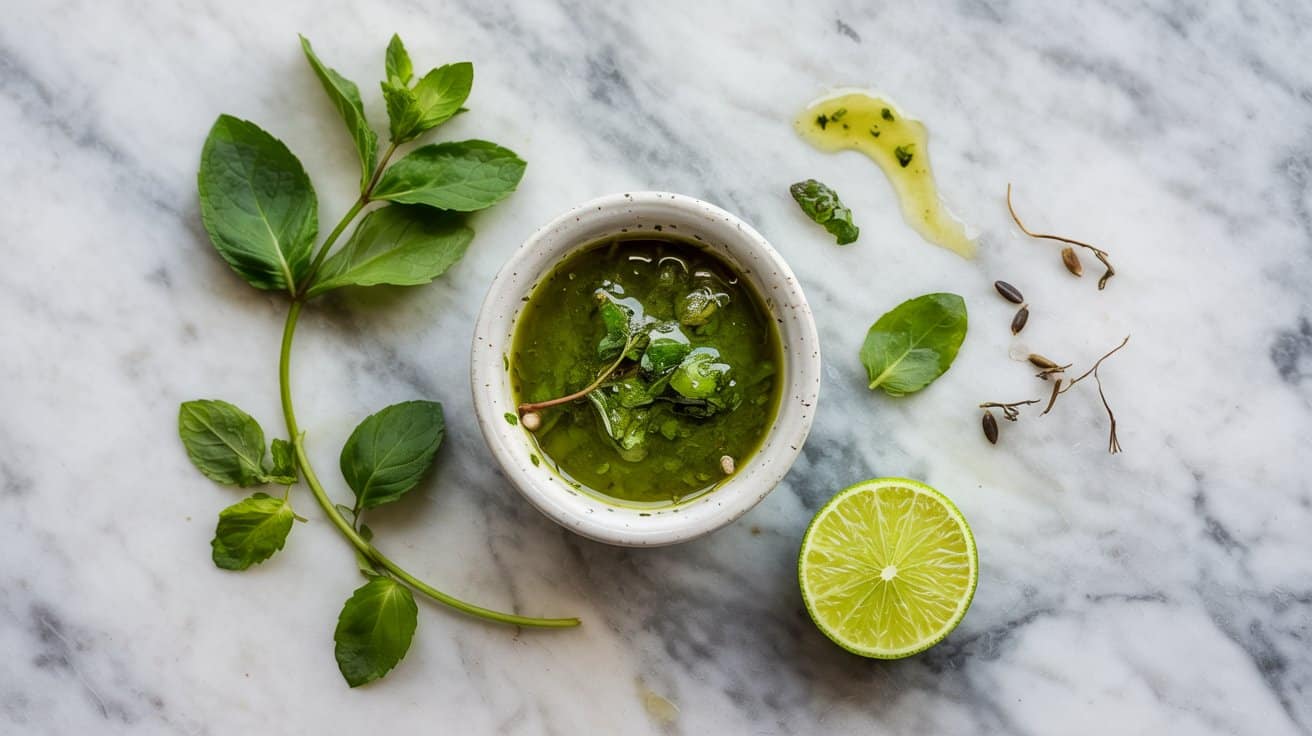
Cilantro mint chutney is a fresh and bright Indian herb chutney that adds a zesty and spicy note to many dishes. It works wonderfully as a dip, spread, or sauce and goes well with roasted chickpeas, root vegetables, or even grilled meats.
The chutney is quick to prepare and uses simple ingredients that many already have on hand. Its bright green color and bold herbal flavors bring a refreshing lift to any meal, making it a versatile addition to your recipe collection.
Why This Recipe Works
This chutney offers a lively blend of herbs and spices that complement numerous dishes while being very simple to prepare. It's a flavorful way to incorporate fresh herbs and add a spicy kick without much fuss.
- Convenience - Ready in minutes with minimal chopping and blending required.
- Flavor balance - Combines fresh, tangy, and spicy notes for a well-rounded taste.
- Versatility - Works great with snacks, roasted veggies, sandwiches, and more.
- Health benefit - Packed with fresh herbs and spices, offering a nutritious boost.
Ingredient Swap Ideas
Swapping ingredients in this chutney can help tailor the flavor or fit dietary preferences while still keeping the bright essence intact.
- Cilantro substitute - Use fresh parsley if you prefer a milder herb taste.
- Mint substitute - Try fresh basil for a slightly sweet twist.
- Acidity option - Replace lemon juice with tamarind paste for a tangier flavor.
- Spice level - Adjust green chili quantity or substitute with jalapeño for less heat.
Ingredients
- 1 cup fresh cilantro leaves - washed and roughly chopped
- ½ cup fresh mint leaves - washed and roughly chopped
- 1 small green chili - deseeded for milder heat
- 1 tablespoon fresh lemon juice - adds brightness
- 1 small garlic clove - peeled and minced
- ½ teaspoon cumin seeds - lightly toasted for aroma
- ¼ teaspoon salt - to taste
- 2 tablespoons water - to help blend smoothly
Instructions
- Place cilantro, mint, green chili, garlic, toasted cumin seeds, lemon juice, salt, and water into a blender or food processor.
- Blend until smooth, scraping down the sides as needed to ensure an even texture.
- Add a little more water if the chutney appears too thick, blending again to loosen it up.
- Taste and adjust salt, chili, or lemon juice according to your preference.
- Transfer chutney to a bowl and serve immediately or refrigerate in an airtight container for up to 3 days.
This chutney brightens roasted chickpeas or root vegetables and can also complement sandwiches and grilled dishes with its fresh, lively flavor.
14. Tahini Yogurt Sauce with Cumin
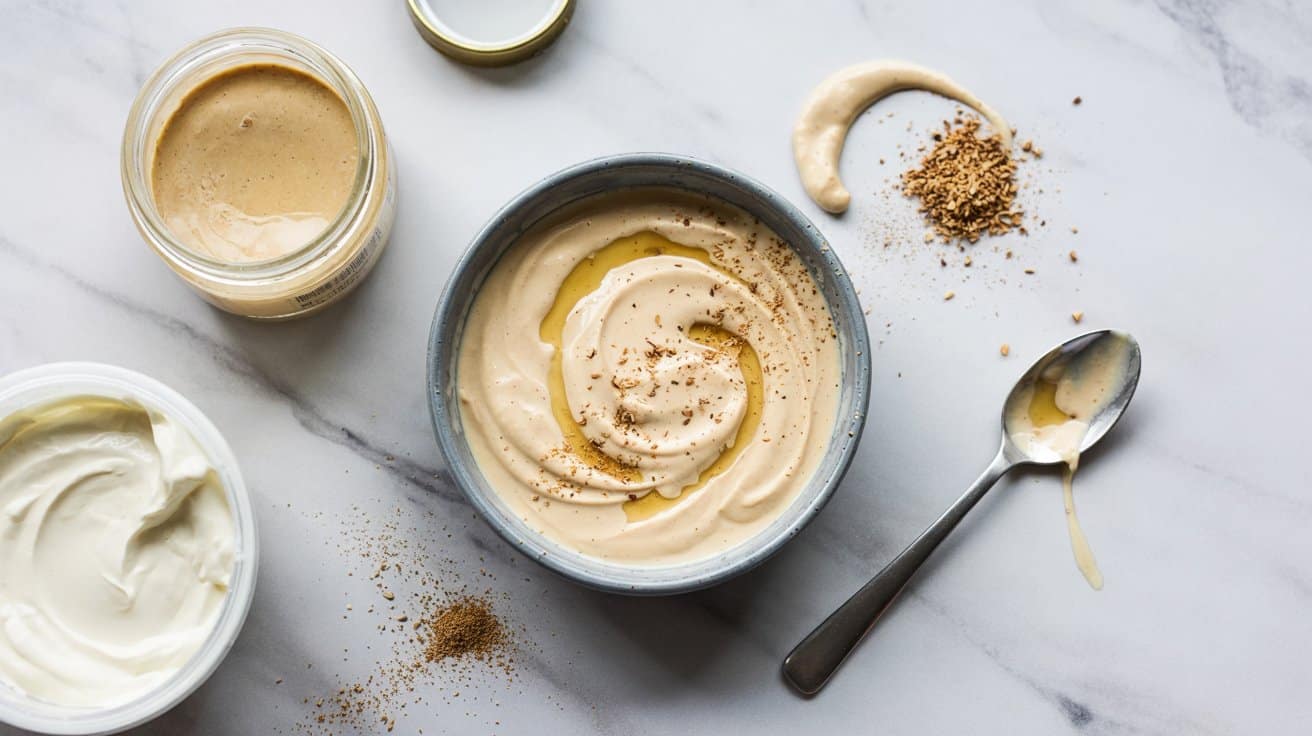
This tahini yogurt sauce combines creamy yogurt and rich tahini with the warmth of ground cumin, creating a sauce that's tangy, nutty, and earthy all at once. It's incredibly simple to prepare and adds a flavorful boost to roasted vegetables like carrots or cauliflower, making them even more satisfying.
The sauce's texture is smooth yet substantial, making it a great drizzle or dip. You can whip it up in just minutes, which helps bring together a quick meal or side dish with minimal fuss.
Why This Recipe Works
This sauce stands out because it balances bold flavors with creamy texture while being simple to make. It complements roasted veggies and grains, adding both moisture and depth without overpowering the dish.
- Convenience - Takes just a few minutes to prepare with common pantry ingredients.
- Flavor balance - Combines tangy yogurt, nutty tahini, and warm cumin for a multi-dimensional taste.
- Versatility - Works well with roasted vegetables, grilled meats, or as a salad dressing.
- Healthful - Uses wholesome ingredients that provide protein and healthy fats.
Ingredient Swap Ideas
Swapping ingredients can help adjust this sauce for dietary needs or flavor preferences while keeping its core character intact. These alternatives maintain creamy texture and aromatic spice.
- Greek yogurt - Swap for plain dairy-free yogurt to make the sauce vegan.
- Tahini - Substitute with almond butter or sunflower seed butter for a different nuttiness.
- Ground cumin - Use ground coriander or smoked paprika to vary the spice profile.
- Lemon juice - Replace with apple cider vinegar for a slightly different acidity.
Ingredients
- ½ cup plain Greek yogurt - Provides creaminess and tang.
- ¼ cup tahini - Adds nutty richness with smooth texture.
- 1 tablespoon fresh lemon juice - Brightens the sauce with acidity.
- 1 teaspoon ground cumin - Gives warmth and earthiness to the flavor.
- 1 small garlic clove, minced - Adds savory depth.
- ¼ teaspoon salt - Enhances all the flavors.
- 2 to 3 tablespoons cold water - Thins the sauce to desired consistency.
Instructions
- In a medium bowl, combine the Greek yogurt and tahini, stirring together until smooth and well blended.
- Add the lemon juice, ground cumin, minced garlic, and salt. Stir thoroughly to mix all the flavors.
- Gradually add cold water, one tablespoon at a time, mixing until the sauce reaches a drizzle-friendly consistency.
- Taste and adjust seasoning, adding a bit more salt or lemon juice if needed.
- Serve chilled or at room temperature alongside roasted carrots, cauliflower, or your chosen dish.
15. Romano Parmesan Garlic Sauce
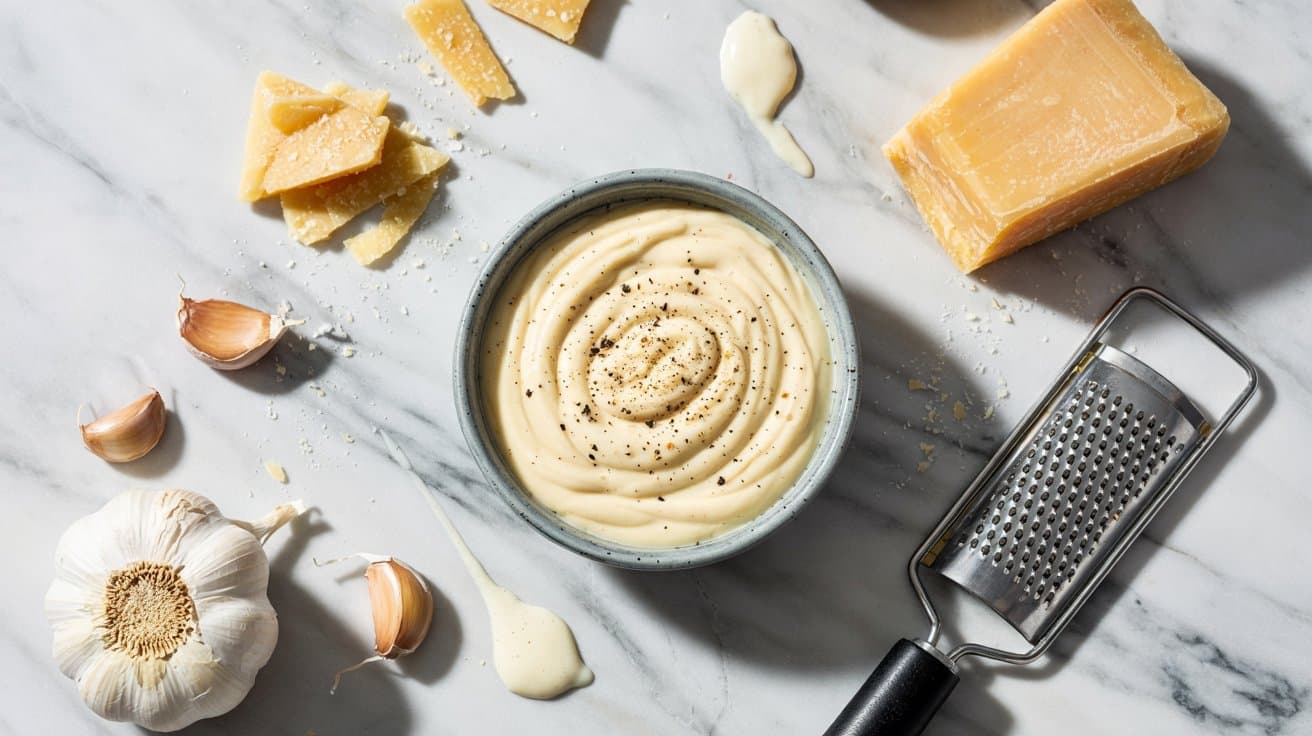
This Romano Parmesan Garlic Sauce is a simple way to add rich, cheesy flavor to roasted asparagus, zucchini, or other vegetables. The sharpness of Romano and Parmesan cheeses blends beautifully with the savory garlic, creating a sauce that is creamy but not heavy.
It's quick to prepare and brings an indulgent feel to everyday veggies, making it ideal for busy cooks looking for an easy yet tasty addition to their meals.
Why This Recipe Works
This sauce strikes a great balance between being flavorful and straightforward to make, improving simple roasted vegetables with minimal fuss.
- Convenience - Comes together quickly using pantry staples.
- Flavor balance - Combines the nuttiness of Romano with the nuttier Parmesan and aromatic garlic.
- Texture - Silky and creamy coating that clings well to vegetables.
- Appeal - Enhances simple veggies making them more inviting for the whole family.
Ingredient Swap Ideas
Swapping a few ingredients here and there can customize the sauce to fit different dietary needs or flavor preferences without losing its essential character.
- Cheese alternatives - Use Pecorino Romano only or a blend of Asiago and Parmesan for a milder taste.
- Dairy-free option - Substitute Parmesan with nutritional yeast and use olive oil instead of butter to make it vegan-friendly.
- Garlic variation - Roasted garlic can replace raw minced garlic for a sweeter, mellow flavor.
- Herbs addition - Fresh basil or parsley can be stirred in to freshen the sauce after cooking.
Ingredients
- 2 tablespoons unsalted butter - Adds creaminess and richness to the sauce.
- 3 cloves garlic, minced - Provides the distinctive garlicky flavor.
- ½ cup grated Romano cheese - Sharp and salty, key for depth.
- ½ cup grated Parmesan cheese - Adds nuttiness and balances the Romano.
- ½ cup heavy cream - Creates a smooth, creamy texture.
- ¼ teaspoon salt - Enhances all the flavors without overpowering.
- ¼ teaspoon freshly ground black pepper - Lends a gentle heat and complexity.
Instructions
- In a small saucepan, melt the butter over medium heat until it just begins to foam. Add the minced garlic and sauté for about 1 minute until fragrant but not browned.
- Pour in the heavy cream and bring to a gentle simmer, stirring constantly to avoid scorching. Let it cook for 2-3 minutes until it slightly thickens.
- Remove the pan from heat and whisk in the grated Romano and Parmesan cheeses until fully melted and the sauce is smooth.
- Season with salt and freshly ground black pepper to taste. If the sauce is too thick, add a splash of cream or milk to reach your desired consistency.
- Toss the sauce with roasted asparagus, zucchini, or your favorite vegetables. Serve warm for the best flavor and texture.
16. Ranch-Style Buttermilk Dressing
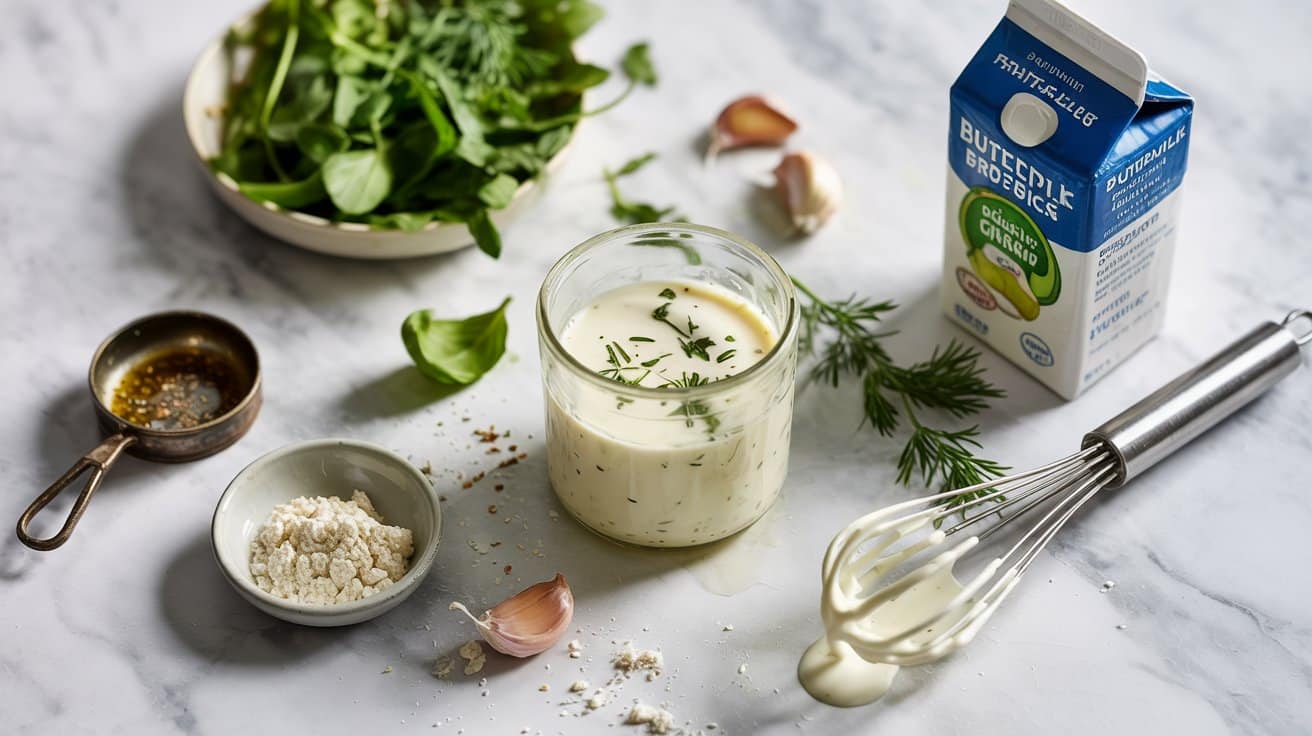
Ranch-style buttermilk dressing is a classic that brings a fresh, tangy twist to any roasted vegetable platter or salad. Its creamy texture and herby notes create a balanced flavor that's both comforting and bright.
Making this dressing at home is straightforward, using simple ingredients you probably already have on hand.
This dressing works well as a dip or a sauce, giving your dishes a touch of zest without overpowering the natural flavors. It stores easily in the fridge, so you can prepare it ahead and enjoy with meals throughout the week.
Why This Recipe Works
This ranch-style dressing is both versatile and flavorful, making it a practical addition to many meals.
- Convenience - Quick to prepare with common pantry ingredients and keeps well refrigerated.
- Flavor balance - Combines tangy buttermilk with fresh herbs for a bright, creamy taste.
- Texture - Smooth and luscious, perfect for drizzling or dipping.
- Appeal - Suitable for family meals and casual gatherings alike, adding a familiar American classic touch.
Ingredient Swap Ideas
You can adapt this dressing easily to suit dietary preferences or what you have available without losing the signature ranch flavor.
- Buttermilk - Substitute with plain yogurt thinned with a little milk for a thicker but still tangy base.
- Mayonnaise - Use Greek yogurt instead for a lighter, protein-packed alternative.
- Fresh herbs - Try chives, tarragon, or parsley if you want a different herbal note.
- Garlic powder - Fresh minced garlic works just as well for a punchier taste.
Ingredients
- ½ cup buttermilk - Adds tang and creaminess to the dressing.
- ½ cup mayonnaise - Provides a rich and smooth texture.
- ¼ cup sour cream - Enhances creaminess with mild tartness.
- 1 teaspoon dried dill - Gives an herby and slightly sweet flavor.
- 1 teaspoon dried parsley - Adds fresh, mild green notes.
- ½ teaspoon garlic powder - Delivers subtle garlicky depth.
- ½ teaspoon onion powder - Brings gentle savory undertones.
- ¼ teaspoon salt - Balances all the flavors.
- ¼ teaspoon black pepper - Adds subtle heat and complexity.
- 1 teaspoon fresh lemon juice - Brightens the dressing with fresh acidity.
Instructions
- In a medium bowl, combine the mayonnaise, sour cream, and buttermilk. Whisk until the mixture is smooth and creamy.
- Add the dried dill, dried parsley, garlic powder, onion powder, salt, and black pepper. Stir well to evenly distribute the herbs and seasonings.
- Pour in the lemon juice and whisk again to blend it thoroughly. This adds a fresh tang that lifts the flavors.
- Cover the dressing and refrigerate for at least 30 minutes to let the flavors meld together. This step enhances the depth and balance of the dressing.
- Give it a good stir before serving. Use it to dress roasted vegetables, as a dip for fresh veggies, or drizzle over salads.
This ranch-style buttermilk dressing keeps well in an airtight container in the fridge for up to one week. If it thickens too much, stir in a little more buttermilk to loosen it before serving.
Complement roasted vegetables with versatile options like whole grains, salads, or roasted meats; see side dishes for roasted vegetables for specific pairings. When a recipe calls for fire-roasted tomatoes, quick swaps such as canned tomatoes or charred fresh tomatoes preserve flavor; see fire-roasted tomato replacements for recipes for details.

Andrew Gray is a seasoned food writer and blogger with a wealth of experience in the restaurant and catering industries. With a passion for all things delicious, Andrew has honed his culinary expertise through his work as a personal chef and caterer.
His love for food led him to venture into food writing, where he has contributed to various online publications, sharing his knowledge and insights on the culinary world. As the proud owner of CooksCrafter.com, Andrew covers a wide range of topics, including recipes, restaurant reviews, product recommendations, and culinary tips.
Through his website, he aims to inspire and educate fellow food enthusiasts, offering a comprehensive resource for all things food-related.