
Finding the right side dish can often feel like a bit of a puzzle. This collection of 20 skillet side dishes that cook in one pan (typically cooked in a cast-iron or ovenproof skillet) offers a straightforward solution for adding flavorful and easy accompaniments to any meal, with each recipe designed as a quick stovetop-or-oven skillet preparation that minimizes cleanup and cooks in a single pan.
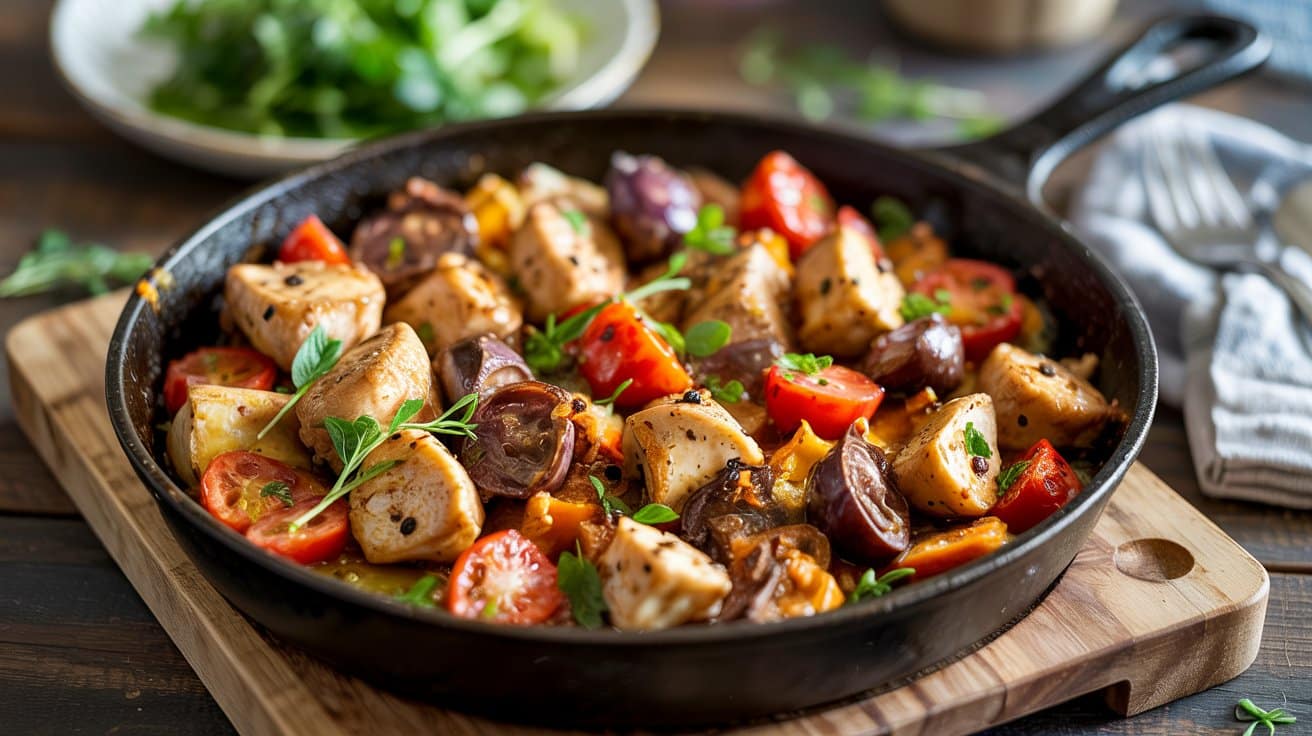
These recipes cover a range of tastes and ingredients, from crispy roasted potatoes to bright vegetable medleys. They are designed to suit quick dinners, family meals, or gatherings where crowd-pleasing simplicity is key.
Many of these sides bring fresh herbs, savory spices, and simple techniques to the table, making them accessible without sacrificing flavor.
What makes these skillet sides stand out is how efficiently they come together using just one pan. This approach reduces both prep time and cleanup, allowing more time to enjoy your meal and less time at the sink.
Each recipe balances convenience with hearty, satisfying results that complement a variety of main dishes.
1. Garlic Parmesan Roasted Potatoes
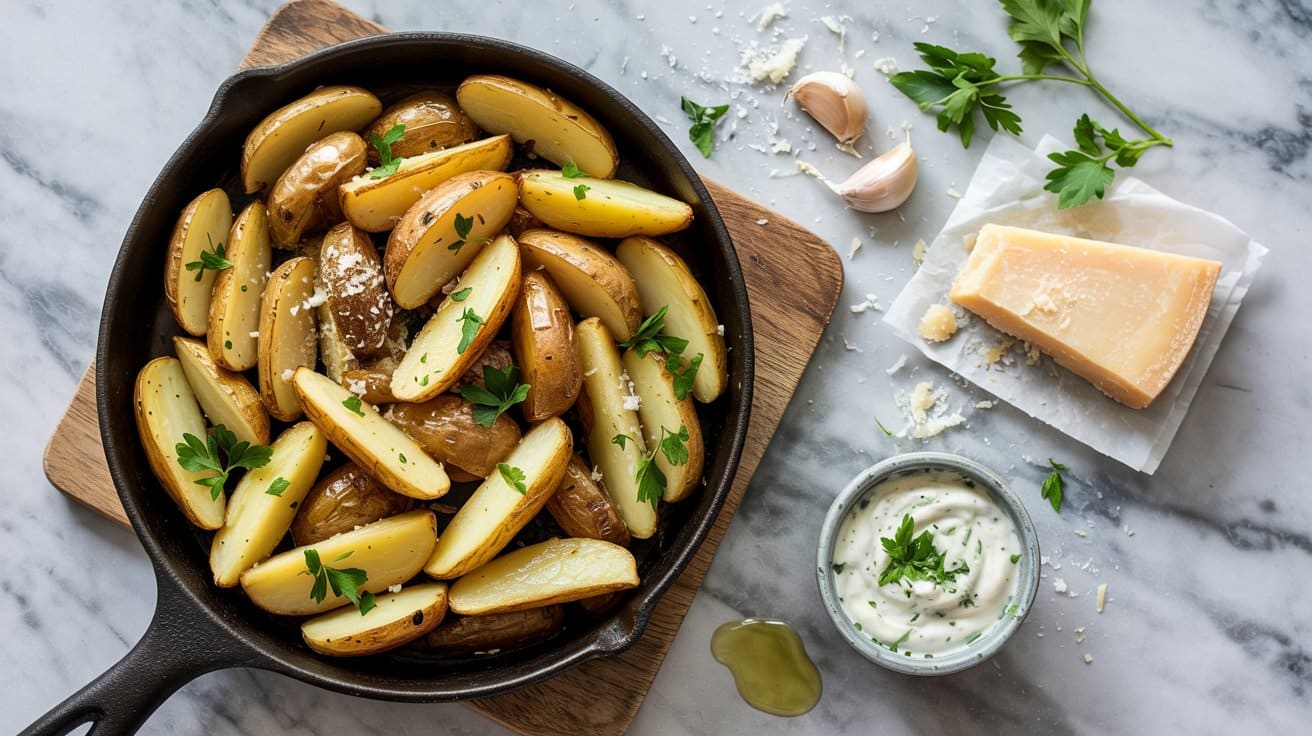
Garlic Parmesan Roasted Potatoes bring together crispy baby potatoes with rich, savory flavors and make an excellent sides to pair with garlic butter shrimp.
This recipe is straightforward and approachable, taking about 35 minutes from start to finish, making it a great side dish for weeknight dinners or special occasions alike, while miso roasted cauliflower flavor boost offers an umami-packed alternative.
Why This Recipe Works
This recipe shines because it combines ease of preparation with irresistible flavor and texture. The crispy edges and tender centers create a satisfying bite that pairs well with many main dishes.
- Convenience - Requires minimal prep and one baking sheet for roasting.
- Flavor balance - Rich Parmesan and savory garlic with fresh parsley brighten the dish.
- Texture - Crispy outside contrasts with soft, fluffy potato interiors.
- Appeal - Family-friendly with a universally loved flavor.
Ingredient Swap Ideas
Adjusting ingredients here can accommodate dietary preferences or what you have on hand without losing much of the essential flavor. Swaps allow you to maintain the dish's character with simple tweaks.
- Parmesan cheese - Use Pecorino Romano for a sharper flavor or nutritional yeast for a dairy-free option.
- Baby potatoes - Substitute with fingerling potatoes or halved small red potatoes for similar roasting results.
- Garlic - Use garlic powder if fresh garlic is unavailable but reduce to about 1 teaspoon to avoid bitterness.
- Fresh parsley - Replace with chopped chives or basil for a different herb note.
Ingredients
- 1.5 pounds baby potatoes, halved if large.
- 3 tablespoons olive oil for roasting and crisping potatoes.
- 4 cloves garlic, minced finely for bold garlicky aroma.
- ½ cup freshly grated Parmesan cheese for savory richness.
- 1 tablespoon fresh parsley, chopped for a fresh finish.
- ½ teaspoon salt to enhance natural potato flavors.
- ¼ teaspoon black pepper for mild heat.
Instructions
- Preheat the oven to 400°F (200°C). Line a baking sheet with parchment paper or foil for easy cleanup.
- In a large bowl, toss the halved potatoes with olive oil, minced garlic, salt, and black pepper until evenly coated.
- Spread the potatoes in a single layer on the prepared baking sheet, cut side down for maximum crispness. Roast for 25 to 30 minutes, turning once halfway through.
- Remove from the oven and immediately sprinkle with grated Parmesan and chopped parsley. Toss lightly to combine the cheese with the hot potatoes, allowing it to melt slightly.
- Serve warm as a savory side dish with any protein or vegetable.
2. Skillet Green Beans with Bacon and Shallots
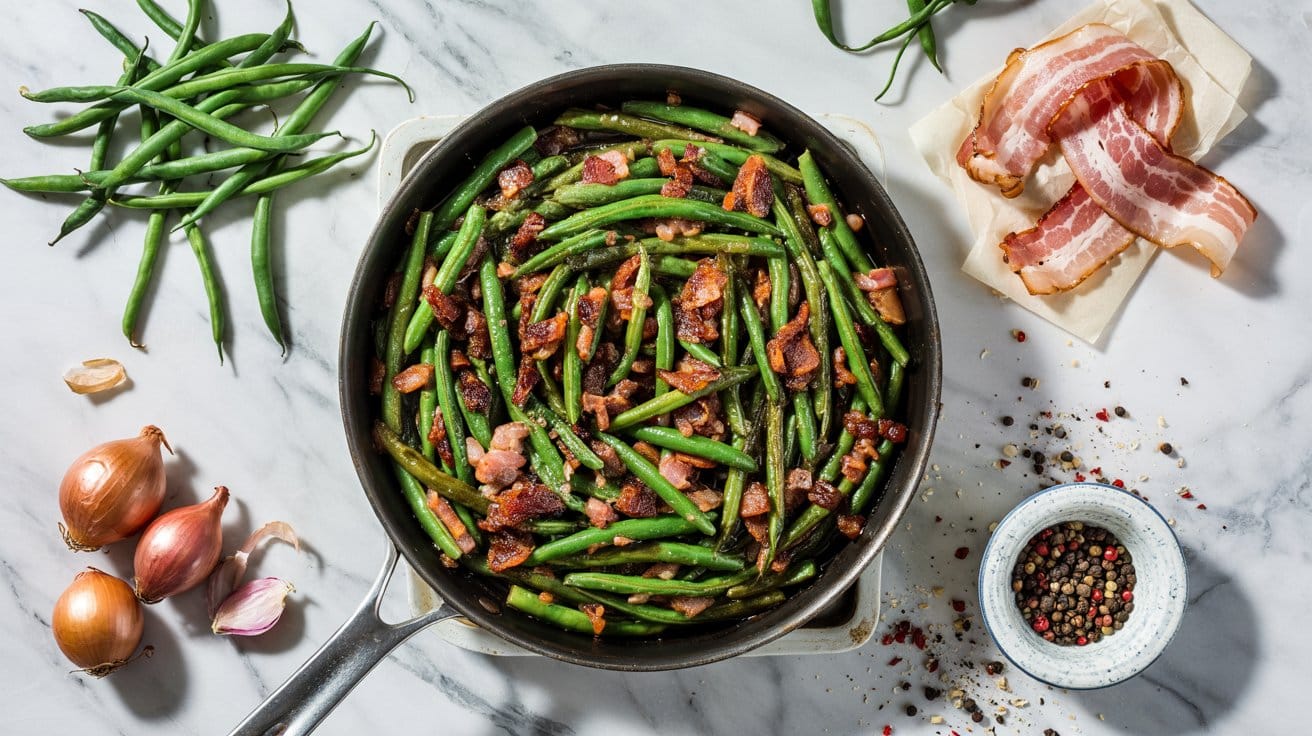
This skillet green beans recipe brings together crisp-tender green beans with the rich, smoky flavor of bacon and the subtle sweetness of caramelized shallots, and for a sweet-savory variation try maple bacon brussels sprouts twist.
The combination of textures and flavors makes this dish both satisfying and inviting. The bright green beans have a nice snap after blanching and shocking, while the bacon crisps up beautifully, and the shallots melt into a fragrant topping.
It's a great way to enjoy a vegetable side that feels indulgent yet wholesome, ready in about 15 minutes.
For more options that keep a firm, fresh bite, see green bean substitutes for a crisp bite.
Why This Recipe Works
This dish works well as a quick, flavorful side that pairs easily with many main courses. It balances smoky and sweet tones while offering a satisfying texture contrast.
- Convenience - The skillet method cooks everything in one pan for easy preparation and quick cleanup.
- Flavor balance - The smoky bacon goes well with the caramelized shallots and fresh green beans for a rich but not overpowering taste.
- Texture - Crisp green beans go with the tender shallots and crisp bacon, giving a variety of pleasant mouthfeels.
- Appeal - This recipe is simple enough for everyday meals but impressive enough to serve at gatherings or holiday dinners.
Ingredient Swap Ideas
Swapping some ingredients can tailor this recipe for different dietary preferences or simply change the flavor while keeping the spirit of the dish intact.
- Bacon - Use turkey bacon or smoked tempeh strips to lower fat or make it vegetarian-friendly.
- Shallots - Replace with thinly sliced red onions or leeks for a slightly different sweetness and texture.
- Green beans - Snap peas or asparagus can be good alternatives if you want to change the vegetable component but keep the fresh, crisp effect.
- Oil - Swap olive oil with avocado oil or butter to adjust cooking fat flavor and richness.
Ingredients
- 1 pound fresh green beans - trimmed and rinsed well.
- 4 slices bacon - cut into small pieces.
- 2 shallots - peeled and thinly sliced.
- 1 tablespoon olive oil - to help sauté the shallots if needed.
- ½ teaspoon salt - or to taste.
- ¼ teaspoon black pepper - freshly ground preferred.
- Optional: 1 teaspoon lemon juice - for a bright finish.
Instructions
- Cook the bacon pieces in a large skillet over medium heat until they are crisp and the fat is rendered, about 5 to 7 minutes. Use a slotted spoon to remove the bacon and set it aside, leaving the bacon fat in the skillet.
- Add the sliced shallots to the skillet and cook over medium-low heat, stirring occasionally, until they become soft and caramelized, about 5 minutes. If the bacon fat is not enough to sauté the shallots, add the olive oil as needed.
- Increase the heat to medium-high and add the green beans to the skillet. Stir frequently to coat the beans with the bacon fat and shallots. Cook for 6 to 8 minutes until the green beans are tender but still crisp.
- Return the bacon pieces to the skillet and toss everything together. Season with salt, pepper, and optional lemon juice. Cook for another 1 to 2 minutes to combine the flavors.
- Remove from heat and transfer to a serving dish. Serve warm as a flavorful side dish for your meal.
3. One-Pan Brussels Sprouts with Balsamic Glaze
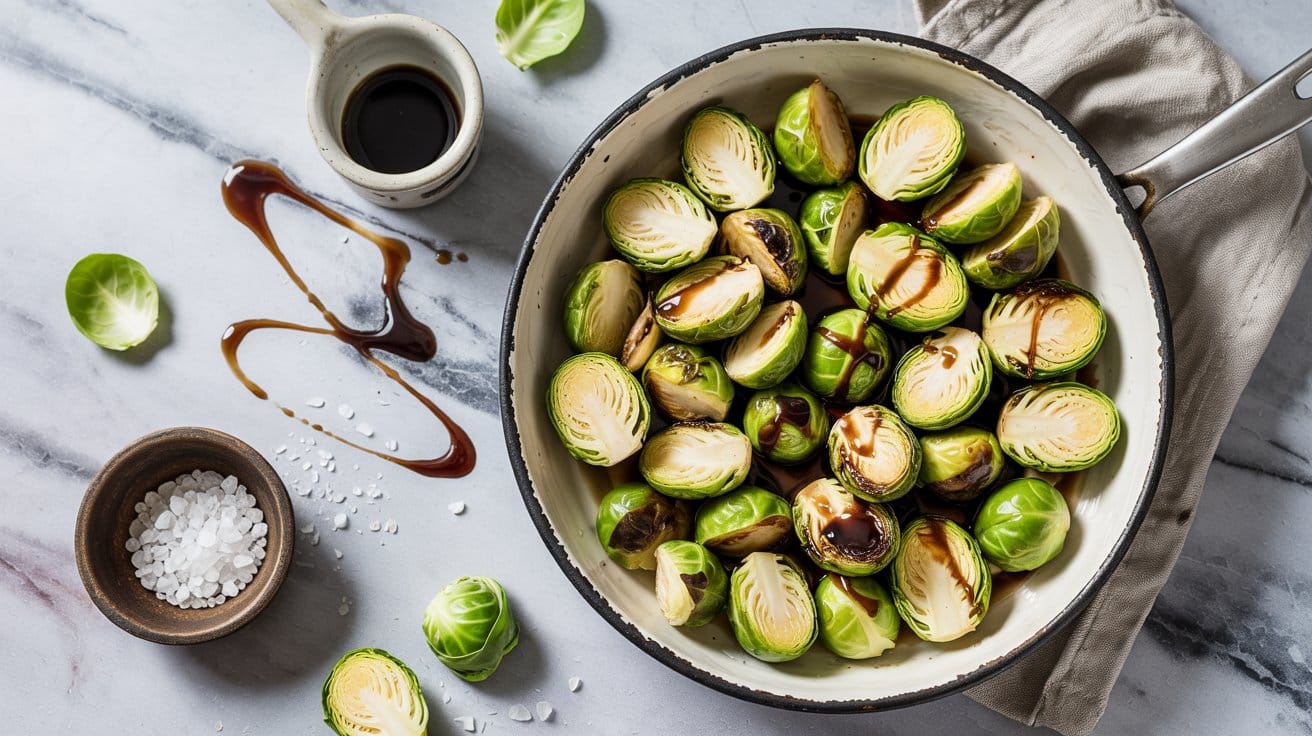
This one-pan Brussels sprouts recipe makes a simple side that's both flavorful and easy to prepare. The sprouts get nicely charred in the pan, offering a satisfying crispness on the outside while staying tender inside.
A drizzle of balsamic glaze (a reduced balsamic vinegar) adds some sweetness and tang that goes with the natural earthiness of the Brussels sprouts. It's a straightforward recipe that fits well into weeknight meals or holiday spreads alike.
Why This Recipe Works
This recipe offers a quick, tasty way to enjoy Brussels sprouts with minimal cleanup and maximum flavor.
- Convenience - Uses just one pan, making preparation and cleanup quick and easy.
- Flavor balance - The combination of charred bitterness and sweet balsamic glaze creates contrast and depth.
- Texture - The outside crisps up nicely while the interior stays tender.
- Appeal - Works well as a simple side to meats, pasta, or grain bowls and suits a variety of occasions.
Ingredient Swap Ideas
Swapping ingredients can help this recipe fit different dietary needs or shift its flavor slightly without losing its essence.
- Use maple syrup instead of honey for a vegan-friendly sweetener in the balsamic glaze.
- Swap Brussels sprouts for broccolini or asparagus for a similar texture and flavor variation.
- Replace olive oil with avocado oil for a higher smoke point and a milder taste.
- Add toasted pine nuts or walnuts for extra crunch and a nutty note.
Ingredients
- 1 pound Brussels sprouts trimmed and halved lengthwise.
- 2 tablespoons extra-virgin olive oil for roasting and crisping.
- Salt - To taste, for seasoning the sprouts.
- Black pepper - Freshly ground, to taste.
- ¼ cup balsamic vinegar for the glaze.
- 1 tablespoon honey or maple syrup to sweeten the balsamic glaze.
Instructions
- Heat olive oil in a large skillet over medium-high heat until shimmering. Add the Brussels sprouts cut side down in a single layer. Season with salt and black pepper.
- Cook without stirring for about 6 to 8 minutes, allowing the cut sides to char and crisp. Flip the sprouts and cook for another 5 minutes until tender throughout.
- Meanwhile, combine balsamic vinegar and honey in a small saucepan. Bring to a low simmer over medium heat and cook until the mixture reduces by half and thickens into a glaze, about 5 to 7 minutes.
- Remove Brussels sprouts from heat and transfer to a serving dish. Drizzle the balsamic glaze over them evenly.
- Serve warm as a flavorful side dish that pairs well with roasted meats or grain bowls.
4. Skillet Ratatouille
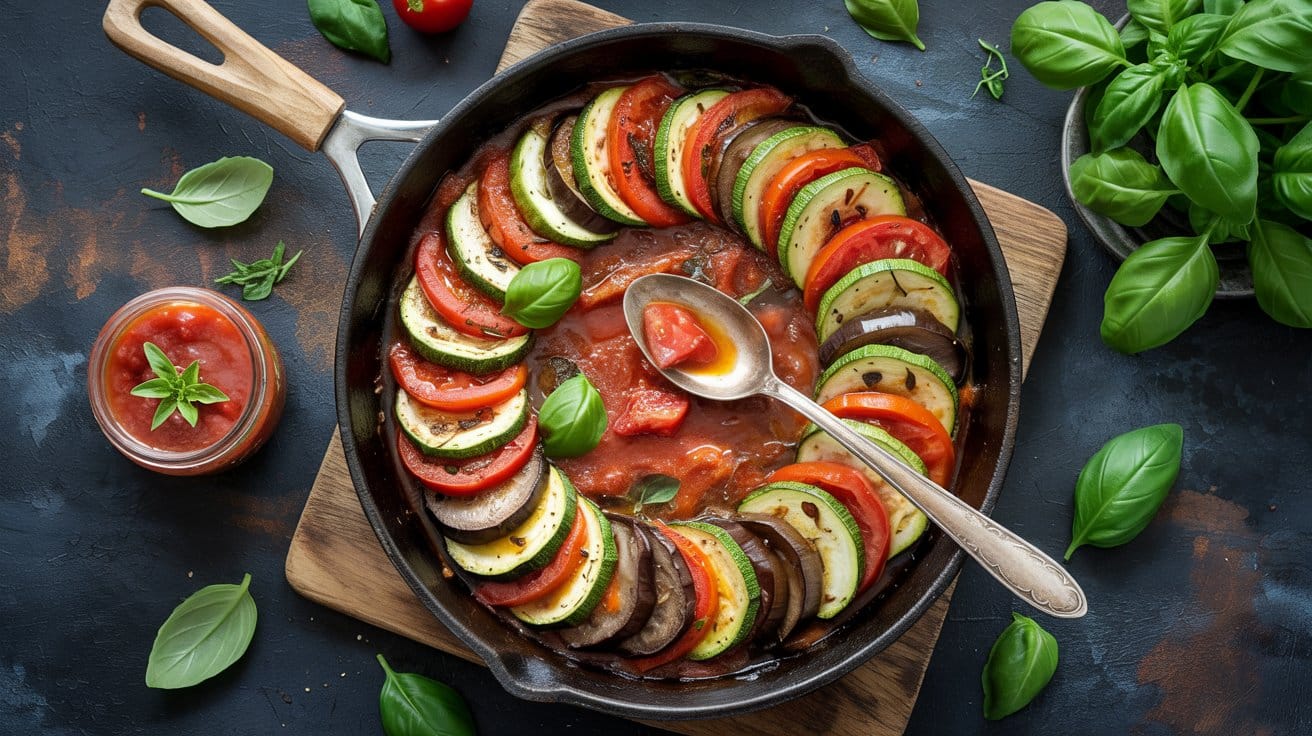
Ratatouille is a classic vegetable stew that's perfect for a wholesome, colorful meal. This skillet version saves time by cooking everything together in one pan, letting the zucchini, eggplant, tomatoes, and bell peppers meld their flavors smoothly.
The fresh herbs add brightness, while the gentle simmer softens the vegetables just enough to keep some texture. This dish works well for casual dinners or as a side with proteins, bringing a comforting yet light touch to the table.
Why This Recipe Works
This skillet ratatouille balances convenience with rich, satisfying flavors that impress without complicated steps. It's a straightforward way to enjoy a variety of vegetables in a meal that feels fresh and wholesome.
- Convenience - All ingredients cook in one pan, cutting down on prep and cleanup.
- Flavor balance - Sweet bell peppers and ripe tomatoes combine with savory eggplant and zucchini.
- Texture - The vegetables become tender but maintain enough bite for a pleasant mouthfeel.
- Appeal - Bright colors and fresh herbs make it both visually inviting and family-friendly.
Ingredient Swap Ideas
Adjusting this recipe is easy and can help tailor it to your preferences or diet. Simple swaps keep the heart of ratatouille intact while changing up flavors or making it more accessible.
- Use yellow squash instead of zucchini for a slightly sweeter taste and a different texture.
- Substitute the eggplant with mushrooms to reduce bitterness and add earthiness.
- Replace fresh tomatoes with canned diced tomatoes if fresh aren't in season or for convenience.
- Add olives or capers for a briny kick that goes with the natural sweetness of the vegetables.
Ingredients
- 2 tablespoons olive oil - Divided for sautéing vegetables.
- 1 medium zucchini - Cut into ½-inch thick slices.
- 1 medium eggplant - Cut into ½-inch cubes.
- 1 red bell pepper - Seeded and sliced into strips.
- 1 yellow bell pepper - Seeded and sliced into strips.
- 3 medium tomatoes - Chopped, or use 1 can (14 ounces) diced tomatoes, drained.
- 3 cloves garlic - Minced for flavor.
- 1 small onion - Diced finely.
- 1 teaspoon dried thyme - Adds herbal aroma.
- 1 teaspoon dried oregano - goes with the vegetables.
- Salt and black pepper - To taste.
- 2 tablespoons fresh basil - Chopped, for garnish.
Instructions
- Heat 1 tablespoon of olive oil in a large skillet over medium heat. Add the zucchini and eggplant. Cook for about 5 to 7 minutes until they start to soften and lightly brown. Remove them from the skillet and set aside.
- Add the remaining olive oil to the skillet, then sauté the onion, bell peppers, and garlic for 4 to 5 minutes until they soften and become fragrant.
- Return the zucchini and eggplant to the skillet. Stir in the chopped tomatoes, thyme, and oregano. Season with salt and pepper to taste.
- Lower the heat and cover the skillet. Simmer gently for about 15 minutes, stirring occasionally, until all the vegetables are tender and the flavors blend well.
- Remove from heat and sprinkle with fresh basil just before serving. Serve warm on its own or as a side dish with grilled meats, fish, or crusty bread.
5. Crispy Sweet Potato Hash
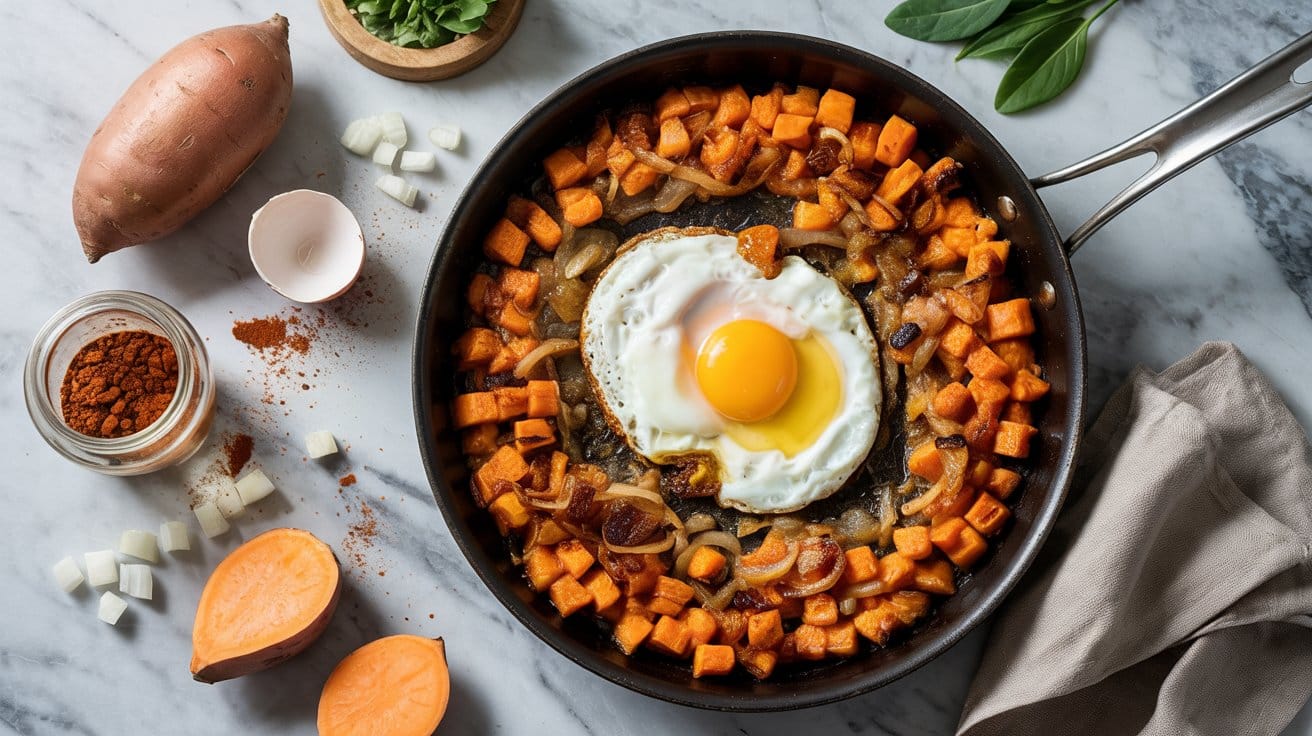
This Crispy Sweet Potato Hash is a great way to brighten any meal with its warm, inviting colors and satisfying textures. The sweet potatoes get tender on the inside and develop a crispy, golden crust on the outside, while the onions and bell peppers add layers of natural sweetness and a bit of bite.
It's a comforting side dish that feels hearty without being heavy, and the simple ingredients come together quickly, making it ideal for busy mornings or as a flavorful accompaniment to dinner.
Why This Recipe Works
This recipe offers a straightforward approach to turning basic ingredients into a flavorful, textured dish that fits well in many meals. The combination of crispy sweet potatoes with sautéed vegetables delivers both taste and visual appeal.
- Convenience - Quick to prepare using common ingredients and a single skillet.
- Flavor balance - Naturally sweet potatoes paired with savory onions and peppers for depth.
- Texture - Crispy edges contrasting tender chunks create a satisfying mouthfeel.
- Appeal - Versatile enough to serve with eggs, meats, or as a vegetarian main or side.
Ingredient Swap Ideas
Swapping a few ingredients can help tailor this hash to your dietary preferences or what you have on hand while keeping its charm intact.
- Sweet potatoes - Substitute with regular potatoes or a mix of yams and potatoes for a different texture.
- Bell peppers - Use poblano or Anaheim peppers for a milder flavor or add a touch of heat with jalapeños.
- Onions - Swap yellow onions with shallots or red onions for a slightly different sweetness and color.
- Oil - Use avocado or coconut oil instead of olive oil for a different cooking fat option.
Ingredients
- 2 medium sweet potatoes - peeled and diced into ½-inch cubes.
- 1 medium onion - diced.
- 1 red bell pepper - seeded and diced.
- 2 tablespoons olive oil - for frying.
- ½ teaspoon smoked paprika - adds subtle warmth and smokiness.
- ½ teaspoon salt - to enhance flavors.
- ¼ teaspoon black pepper - freshly ground for mild heat.
- Optional fresh herbs - such as parsley or chives, chopped for garnish.
Instructions
- Heat the olive oil in a large skillet over medium heat until shimmering. Add the diced sweet potatoes in an even layer. Let them cook without stirring for about 5 to 7 minutes to develop a crispy bottom.
- Stir the sweet potatoes gently to turn and continue cooking for another 5 minutes until they start to become tender but still hold their shape.
- Add the diced onions and bell peppers to the skillet. Season everything with smoked paprika, salt, and black pepper. Stir to combine and cook for another 5 to 7 minutes, stirring occasionally, until the vegetables are soft and the sweet potatoes are fully cooked with crisp edges.
- Taste and adjust seasoning if needed. Remove from heat and sprinkle with fresh herbs before serving if you like.
Serve this hash alongside eggs for breakfast, as a side with your choice of protein at dinner, or simply topped with a dollop of sour cream or avocado for a simple meal.
6. Lemony Garlic Asparagus
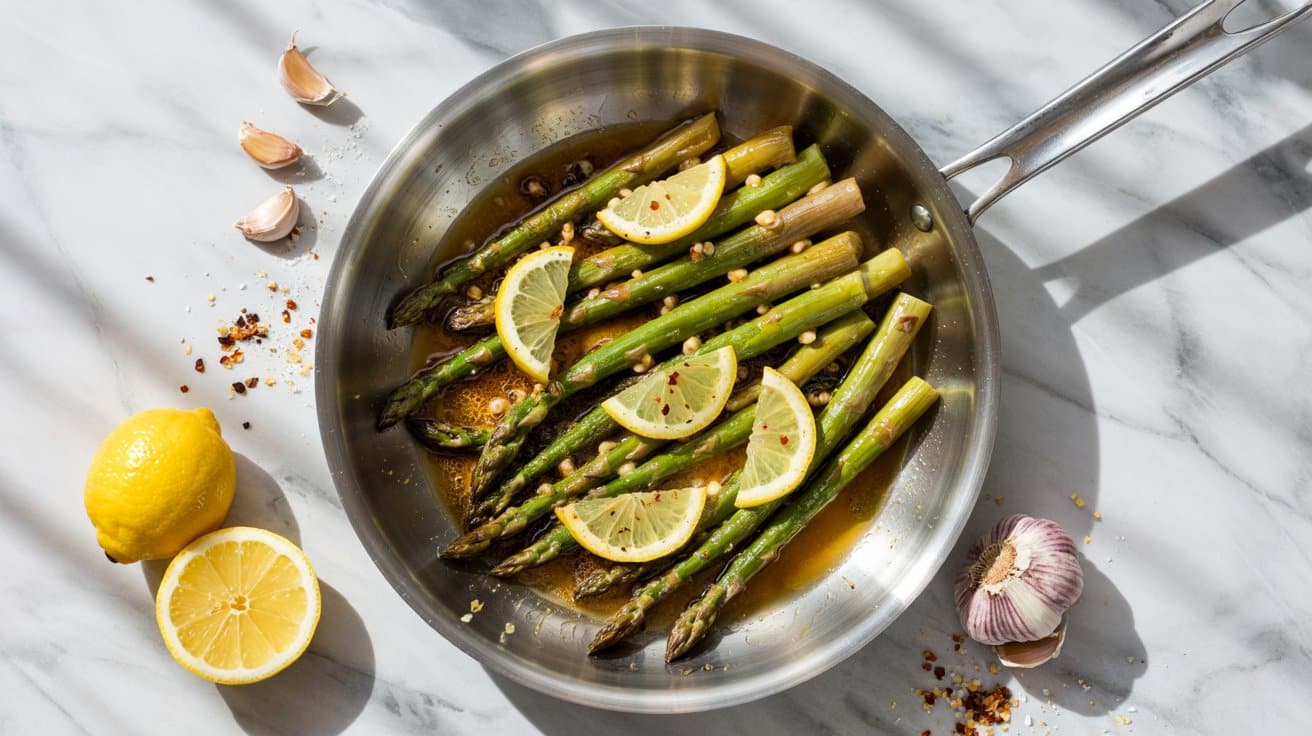
This simple side dish brings out the best in fresh asparagus by combining it with bright lemon and fragrant garlic. The asparagus cooks quickly, keeping a bit of crunch, while the lemon zest and juice add a refreshing citrus lift.
It's a light and bright way to enjoy spring vegetables any night of the week.
You'll find the flavors balance each other nicely, with garlic providing warmth and depth without overpowering the natural taste of the asparagus. It's a quick recipe that delivers a lot of flavor with very little fuss.
Why This Recipe Works
This recipe offers a straightforward way to add fresh, green vegetables to your meal with minimal preparation and maximum taste. It's a smart choice when you want something bright and flavorful without extra heaviness.
- Convenience - cooks in under 10 minutes with few ingredients and minimal prep.
- Flavor balance - bright lemon complements savory garlic and tender asparagus.
- Texture - asparagus remains crisp-tender, giving contrast to the soft garlic.
- Appeal - works well alongside a variety of mains, from grilled meats to pasta.
Ingredient Swap Ideas
If you want to tailor this recipe to your pantry or preferences, there are several easy swaps that keep the spirit of the dish intact. Adjusting one or two ingredients can shift the flavor subtly or make it suitable for different diets.
- Garlic - use garlic powder or roasted garlic for a milder, sweeter taste.
- Lemon zest and juice - replace lemon with lime for a sharper citrus note or use orange zest for a sweeter twist.
- Asparagus - substitute broccolini or green beans to change up the vegetable base.
- Oil - swap olive oil with avocado oil or grapeseed oil for a different flavor and smoke point.
Ingredients
- 1 pound fresh asparagus - trimmed and washed, ends removed.
- 2 tablespoons extra-virgin olive oil - for sautéing and flavor.
- 3 garlic cloves - minced finely for a fresh, pungent taste.
- Zest of 1 lemon - adds bright citrus aroma and flavor.
- 1 tablespoon fresh lemon juice - provides acidity and freshness.
- ½ teaspoon salt - enhances natural flavors.
- ¼ teaspoon black pepper - adds a gentle heat.
- Optional garnish: fresh parsley or grated Parmesan cheese - for added color and taste.
Instructions
- Heat the olive oil in a large skillet over medium heat until shimmering. Add the minced garlic and cook for about 30 seconds until fragrant but not browned.
- Add the asparagus spears to the skillet in a single layer if possible. Cook for about 5 to 7 minutes, turning occasionally, until the asparagus is tender but still crisp.
- Remove the skillet from heat and sprinkle the lemon zest, lemon juice, salt, and black pepper over the asparagus. Toss gently to combine and coat evenly.
- Transfer the asparagus to a serving dish. Garnish with fresh parsley or a light sprinkle of grated Parmesan if using.
- Serve warm as a side dish to complement your main course.
7. Skillet Corn Succotash
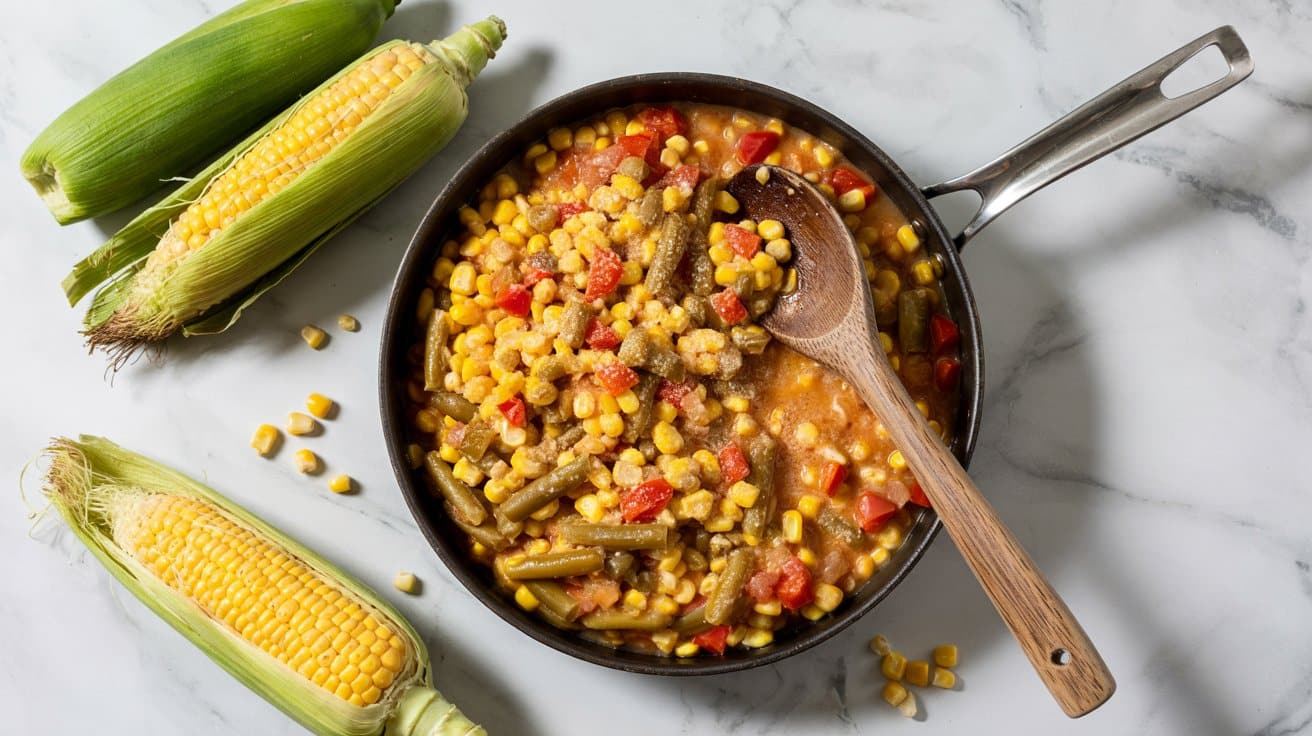
Skillet Corn Succotash is a colorful and flavorful side dish that brings a taste of the South to your table. It combines sweet corn, tender lima beans, bright bell peppers, and juicy tomatoes, all lightly sautéed in butter and fresh herbs.
The mix of textures and fresh, natural flavors makes this dish satisfying without being heavy.
This recipe comes together quickly, making it an excellent choice for busy weeknights or casual gatherings. It complements grilled meats or fish beautifully and can also stand on its own as a light vegetarian option.
Why This Recipe Works
This skillet succotash balances ease of preparation with fresh, bright flavors that brighten any meal.
- Convenience - Uses simple, readily available ingredients and cooks quickly in one pan.
- Flavor balance - Combines sweet corn with the earthy taste of lima beans and the bright acidity of tomatoes.
- Texture - Offers a crisp yet tender bite from fresh vegetables cooked just until soft.
- Appeal - Versatile as a side dish or a filling vegetarian plate, appealing to many palates.
Ingredient Swap Ideas
Adapting this succotash allows you to cater to dietary preferences or make use of what's on hand while keeping its character intact.
- Lima beans - Substitute with fresh or frozen edamame for a similar texture and protein boost.
- Butter - Use olive oil or avocado oil for a dairy-free option without sacrificing richness.
- Bell peppers - Swap with zucchini or yellow squash for a milder vegetable presence.
- Fresh tomatoes - Use canned diced tomatoes if fresh aren't available, draining excess liquid before cooking.
Ingredients
- 2 tablespoons unsalted butter - For sautéing and adding richness to the dish.
- 1 cup fresh or frozen lima beans - Adds creamy texture and subtle, buttery flavor.
- 2 cups fresh corn kernels - Provides sweetness and crunch; can use frozen if needed.
- 1 red bell pepper, diced - Gives color and a slightly sweet, crisp bite.
- 1 cup tomatoes, diced - Adds juiciness and a touch of acidity.
- ¼ cup finely chopped onion - Builds the flavor base for the sauté.
- 1 clove garlic, minced - Brings aromatic depth.
- ¼ cup fresh parsley, chopped - Added at the end for herbal brightness.
- Salt to taste - Enhances the natural flavors of the vegetables.
- Black pepper to taste - Adds subtle heat and complexity.
Instructions
- Melt butter in a large skillet over medium heat. Add the chopped onion and cook until softened, about 3 minutes.
- Stir in the minced garlic and cook for 1 minute until fragrant, being careful not to let it brown.
- Add the lima beans and cook for 3 to 4 minutes, stirring occasionally, until they start to get tender.
- Mix in the corn kernels and diced bell pepper. Continue to sauté for another 5 minutes until the vegetables are crisp-tender.
- Fold in the diced tomatoes and cook for 2 more minutes, just enough to warm them through without losing their freshness.
- Season with salt and black pepper to taste. Sprinkle chopped parsley over the top before serving.
- Serve warm as a flavorful side dish or pair with your choice of main course.
8. Sautéed Zucchini and Cherry Tomatoes
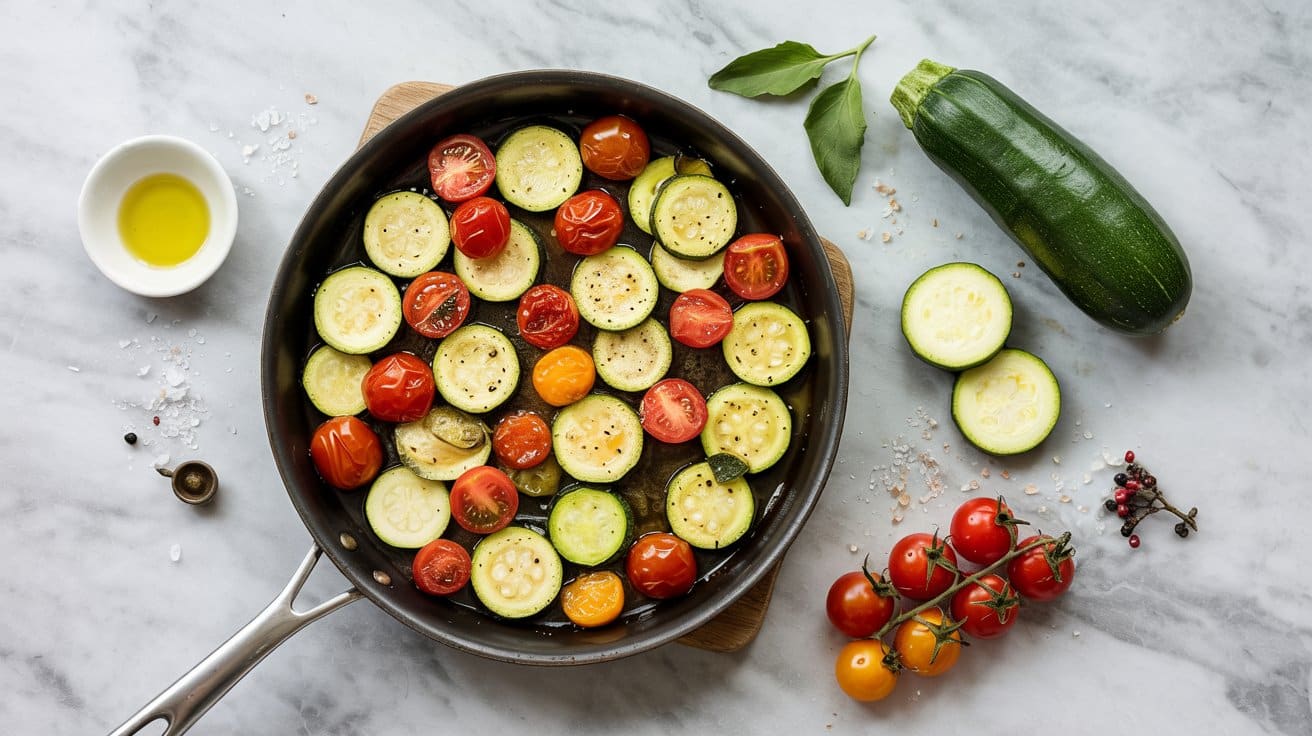
This sautéed zucchini and cherry tomatoes dish brings together simple ingredients for a light, flavorful side or a quick main. The tender zucchini rounds go well with bursts of juicy cherry tomatoes, all enhanced by garlic, fresh basil, and a splash of olive oil.
It's a straightforward recipe that cooks quickly and delivers fresh, bright flavors. You'll appreciate how the textures balance-the zucchini softens just enough while the tomatoes add a juicy pop.
Why This Recipe Works
This recipe stands out because it's both fast to make and packed with bright, fresh flavors. It works well as a versatile side or a healthy addition to any meal.
- Convenience - Uses minimal prep and cooks in under 10 minutes.
- Flavor balance - Combines mellow zucchini with sweet, tangy cherry tomatoes and aromatic garlic and basil.
- Texture - Offers tender yet slightly crisp zucchini contrasted with soft, juicy tomatoes.
- Appeal - Suitable for family meals, easy to double or halve, and complements a variety of main dishes.
Ingredient Swap Ideas
Adjusting ingredients offers flexible ways to suit dietary preferences or what you have on hand. Here are a few swaps that keep the essence of this dish intact.
- Zucchini - Substitute yellow squash or eggplant for a different vegetable texture.
- Cherry tomatoes - Use grape tomatoes or halved plum tomatoes if preferred.
- Fresh basil - Swap for fresh parsley, oregano, or thyme for a herb change.
- Olive oil - Use avocado oil or melted butter for a richer flavor.
Ingredients
- 2 medium zucchini - sliced into ¼-inch rounds.
- 1 cup cherry tomatoes - halved.
- 2 cloves garlic - minced.
- 2 tablespoons extra-virgin olive oil - for sautéing.
- ¼ cup fresh basil leaves - roughly chopped.
- Salt - to taste.
- Black pepper - freshly ground, to taste.
Instructions
- Heat the olive oil in a large skillet over medium heat until shimmering. Add the sliced zucchini in an even layer.
- Cook the zucchini for about 3 to 4 minutes without stirring, allowing them to brown lightly on one side. Flip and cook another 2 minutes until tender.
- Add the minced garlic and halved cherry tomatoes. Stir gently and sauté for 2 to 3 minutes more until the tomatoes start to soften and release their juices.
- Remove from heat and stir in the chopped fresh basil. Season with salt and pepper to taste.
- Serve immediately as a side dish or warm vegetable topping.
9. Caramelized Onion and Mushroom Skillet
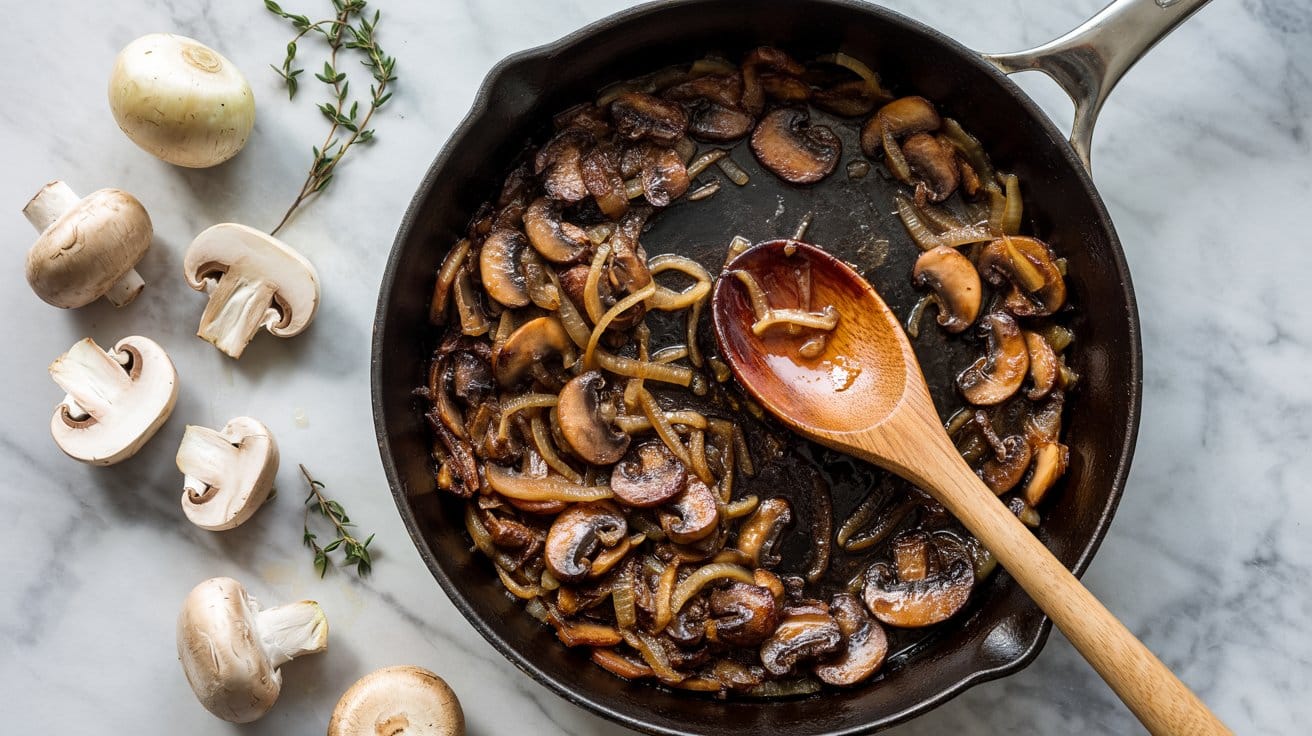
This skillet dish brings together the rich, earthy flavor of mushrooms with the natural sweetness of slowly caramelized onions. It creates a warm, comforting side or main that's full of depth and satisfying textures.
It's simple to prepare with basic ingredients, and the slow-cooking process enhances the flavors without requiring constant attention. You can serve this as a side alongside roasted meats or toss it with grains or pasta for a wholesome meal.
Why This Recipe Works
This recipe balances deep, savory notes and sweet undertones that develop through caramelization. It provides a flavorful and adaptable dish that complements a variety of meals.
- Convenience - Uses one pan and mostly hands-off cooking time.
- Flavor balance - Combines sweet caramelized onions and earthy mushrooms for complexity.
- Texture - Soft, tender mushrooms contrast with slightly crisped onion edges.
- Appeal - Works well as a side dish, topping, or even a meatless option.
Ingredient Swap Ideas
Adjusting ingredients can help fit this recipe to your preferences or dietary needs without losing its essence.
- Use shallots or leeks - Swap for onions if you want a milder, slightly sweeter flavor.
- Try different mushrooms - Cremini, shiitake, or oyster mushrooms work well instead of button mushrooms.
- Substitute olive oil with butter - Adds richness and a creamy note.
- Add fresh herbs - Thyme or rosemary can be swapped in for sage to vary the herbal aroma.
Ingredients
- 2 large yellow onions - Thinly sliced for slow caramelization.
- 12 ounces mushrooms - Sliced, preferably cremini or button varieties.
- 3 tablespoons olive oil - For sautéing and caramelizing.
- 1 tablespoon unsalted butter - Adds richness and helps with browning.
- 2 cloves garlic - Minced for subtle flavor.
- 1 teaspoon fresh thyme leaves - Optional, for herbaceous notes.
- Salt - To taste.
- Black pepper - Freshly ground, to taste.
- 1 teaspoon balsamic vinegar - Adds brightness and enhances sweetness.
Instructions
- Heat the olive oil and butter in a large skillet over medium-low heat. Add the sliced onions and a pinch of salt. Cook slowly, stirring occasionally, for about 25-30 minutes until they turn deep golden brown and sweet.
- Add the sliced mushrooms to the skillet with the onions. Increase the heat to medium and cook for another 8-10 minutes, stirring occasionally, until the mushrooms release their liquid and become tender.
- Stir in the minced garlic and thyme leaves, cooking for 1-2 minutes until fragrant but not browned.
- Season with salt, pepper, and drizzle the balsamic vinegar over the mixture. Stir well to combine and cook for an additional minute, allowing the vinegar to reduce slightly.
- Remove from heat and serve warm, either as a side dish or spooned over grains, toast, or your favorite protein.
10. Skillet Roasted Cauliflower with Turmeric
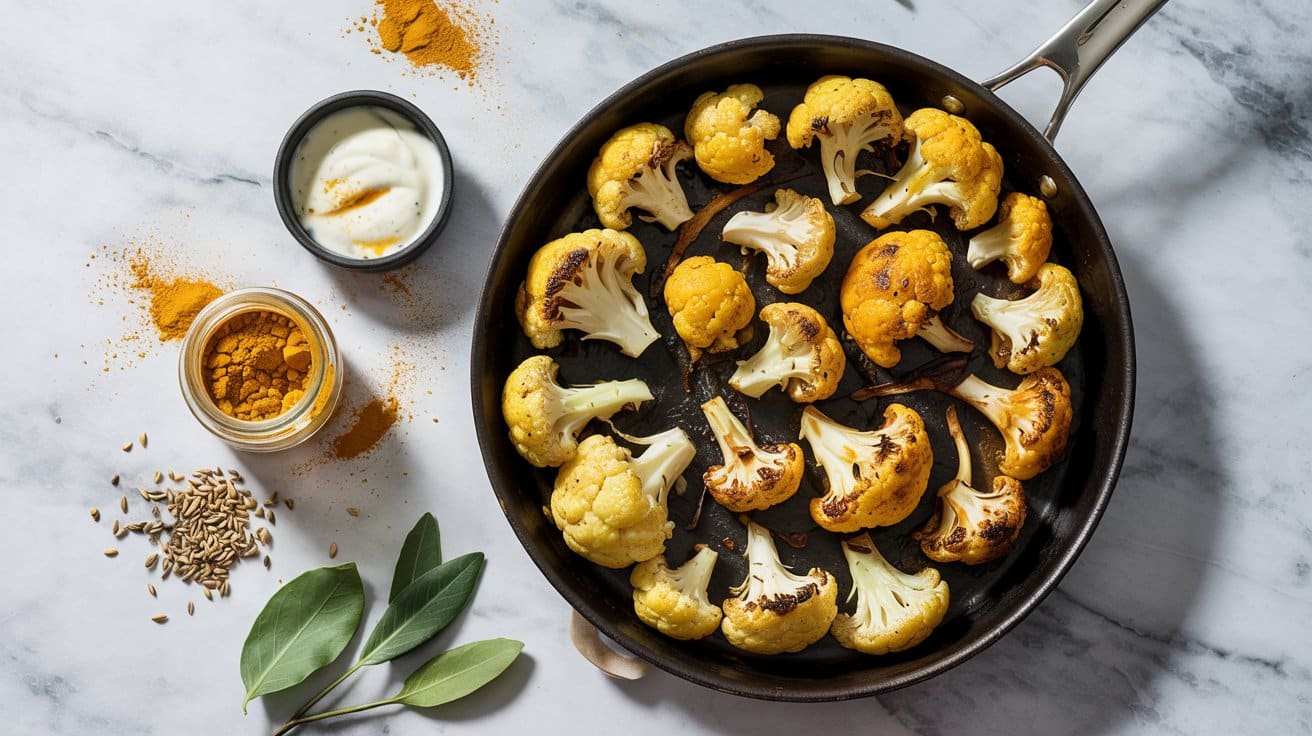
This roasted cauliflower recipe brings a warm, earthy flavor to a simple vegetable through a blend of turmeric and cumin. The cauliflower roasts until tender yet retains a slight crispness, offering a nicely balanced texture that works well as a side dish or a main for lighter meals.
Making it in a skillet means the cauliflower cooks quickly, developing a golden, slightly caramelized surface which deepens the flavor even more. It's a straightforward way to add some color and spice to your next meal without a lot of fuss.
Why This Recipe Works
This recipe stands out for its ease and taste, delivering a bright, spiced vegetable dish with minimal steps. It's a healthy option that doesn't sacrifice flavor.
- Convenience - Uses one skillet for roasting, cutting down on prep and cleanup time.
- Flavor balance - Combines mild earthiness of cauliflower with warm, aromatic turmeric and cumin.
- Texture - Cauliflower turns tender while keeping a bit of bite and develops golden edges.
- Appeal - Works as a versatile side dish suitable for family dinners or casual gatherings.
Ingredient Swap Ideas
Adjusting ingredients can help tailor this dish to suit dietary needs or personal preferences without losing its character.
- Turmeric - Swap for curry powder or ground ginger for a different warm spice profile.
- Cumin - Use coriander powder to keep a good aromatic base but with a lighter taste.
- Cauliflower - Substitute with broccoli florets or Brussels sprouts for a similar texture and roasting results.
- Oil - Replace olive oil with avocado or grapeseed oil for a neutral flavor or higher smoke point.
Ingredients
- 1 large head cauliflower - Cut into bite-sized florets for even cooking.
- 2 tablespoons olive oil - Helps crisp the cauliflower and carry the spices.
- 1 teaspoon ground turmeric - Adds a subtle bitterness and deep yellow color.
- ½ teaspoon ground cumin - Provides a warm, earthy undertone.
- ½ teaspoon salt - Enhances the overall flavor of the dish.
- ¼ teaspoon freshly ground black pepper - Adds a mild heat to balance spices.
- 1 tablespoon lemon juice - Brightens the final flavor and balances spice notes.
- Chopped fresh cilantro or parsley (optional) - For garnish and freshness.
Instructions
- Heat the olive oil in a large skillet over medium heat until shimmering. Add cauliflower florets in a single layer to ensure even roasting.
- Sprinkle turmeric, cumin, salt, and pepper evenly over the cauliflower. Stir well to coat each piece with the spices and oil.
- Continue to cook, stirring occasionally, for about 12 to 15 minutes. Cook until cauliflower is golden brown on several sides and tender but still slightly crisp in the center.
- Remove the skillet from heat and drizzle lemon juice over the cauliflower, stirring gently to combine.
- Transfer to a serving dish and sprinkle with fresh herbs if using. Serve warm as a side or a light meal component.
11. Garlic Herb Sautéed Spinach
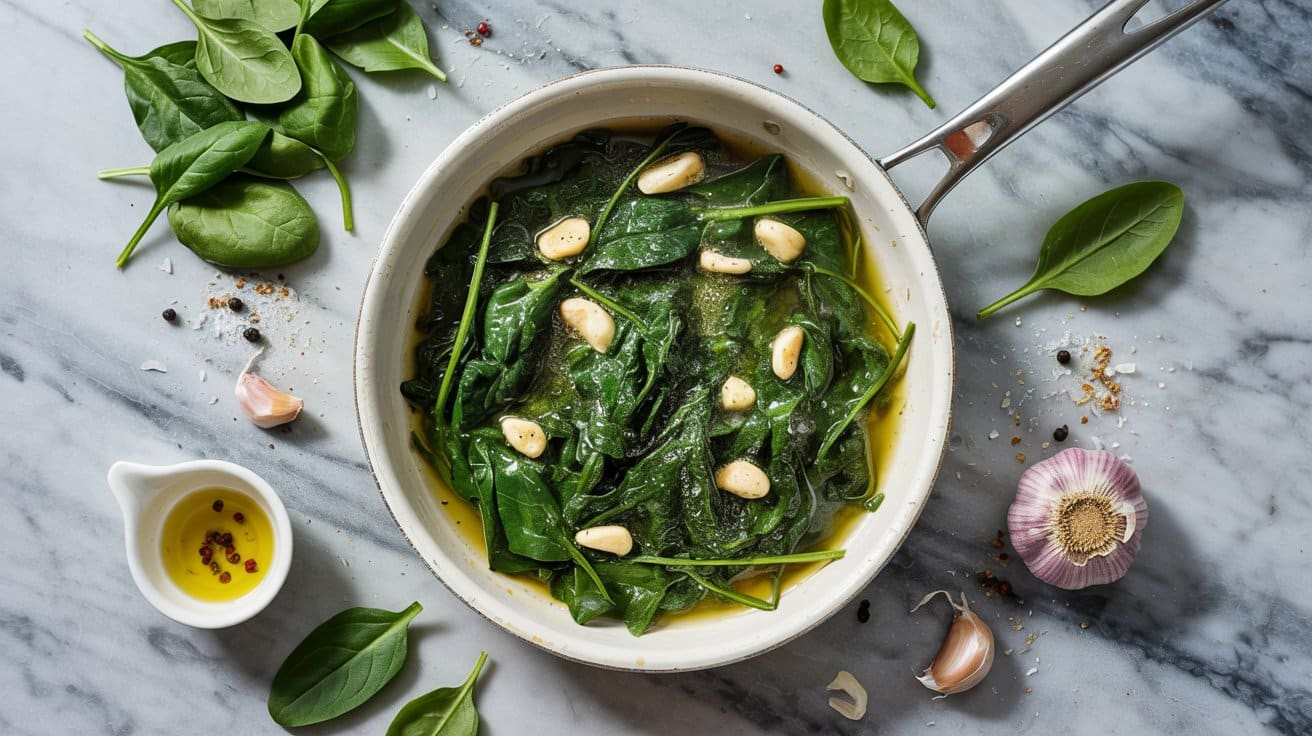
This garlic herb sautéed spinach is a straightforward, bright side dish that brings out the natural flavors of fresh spinach with a simple seasoning of garlic and herbs. It's quick to make, tender yet bright, and adds a refreshing green touch to any meal.
Cooking spinach this way retains its nutrients and adds a savory depth without overwhelming its delicate texture. This dish pairs well with everything from grilled chicken to pasta or a filling grain bowl.
Why This Recipe Works
This sautéed spinach combines ease with flavor, offering a quick way to add a nutritious green side to your plate. Its fresh garlic and herb taste makes it versatile for many meals.
- Convenience - Ready in under 10 minutes with minimal ingredients.
- Flavor balance - The garlic adds warmth while herbs bring a fresh, aromatic touch.
- Texture - The spinach is tender but still maintains a slight bite, avoiding sogginess.
- Appeal - Bright color and simple seasoning make it well-loved by all ages.
Ingredient Swap Ideas
Swapping ingredients here can help fit different taste preferences or dietary needs without changing the overall essence of the dish. Choose alternatives to keep it fresh and flexible.
- Spinach - Use baby kale or Swiss chard for a heartier green with a similar cooking time.
- Fresh herbs - Substitute thyme or rosemary instead of parsley or basil for variation.
- Garlic - Replace minced garlic with garlic powder if fresh isn't available, using less for subtle flavor.
- Olive oil - Switch to avocado oil or a light buttery spread for a different richness.
Ingredients
- 2 tablespoons olive oil - For sautéing and flavor.
- 3 cloves garlic, minced - Provides aromatic depth.
- 1 pound fresh spinach, washed and trimmed - The main green ingredient.
- 2 tablespoons fresh herbs, chopped (such as parsley and basil) - Adds freshness and aroma.
- Salt to taste - Enhances overall flavor.
- Black pepper to taste - Adds mild heat and seasoning.
Instructions
- Heat the olive oil in a large skillet over medium heat until shimmering. Add the minced garlic and sauté for about 1 minute until fragrant but not browned.
- Add the fresh spinach in batches, stirring frequently until it starts to wilt, about 2 to 3 minutes.
- Once all the spinach has wilted and reduced significantly in volume, stir in the fresh chopped herbs. Cook for another 30 seconds to release their aroma.
- Season with salt and black pepper to your taste. Give everything a final toss to combine well.
- Remove from heat and transfer to a serving dish. Serve immediately while still warm.
12. Skillet Roasted Root Vegetables
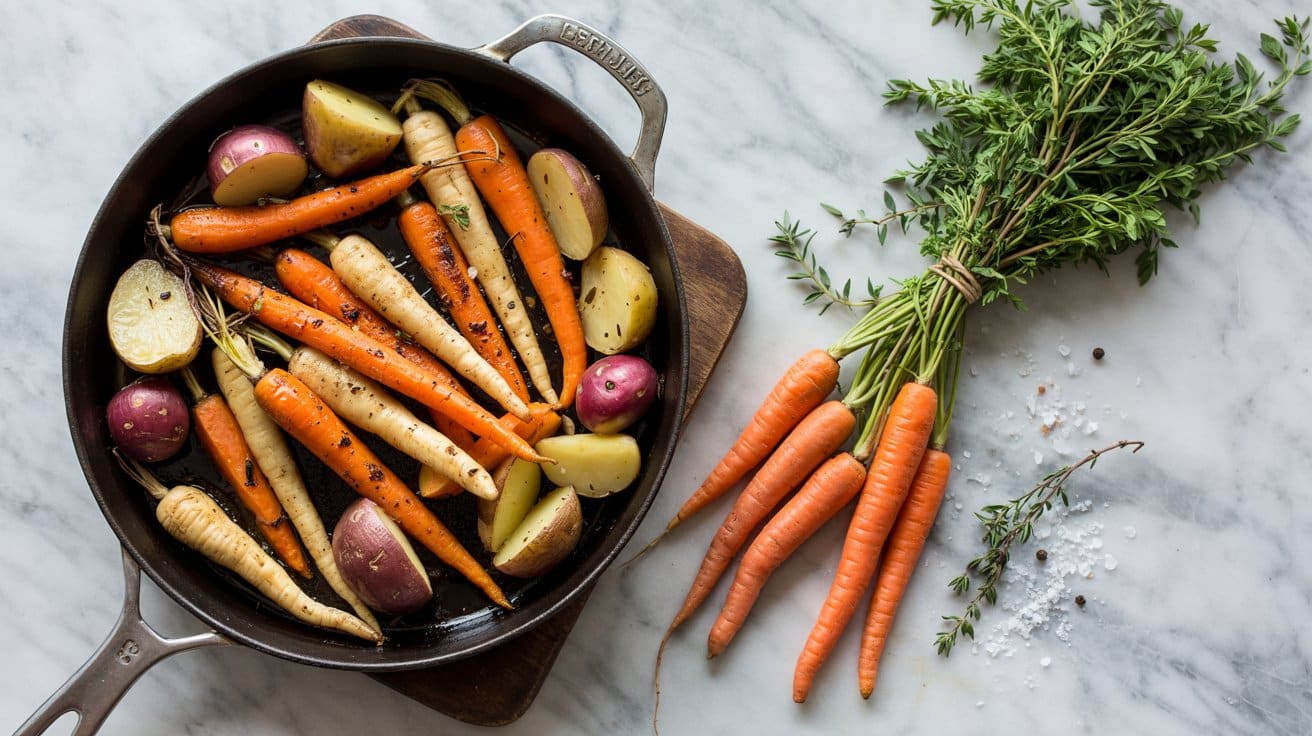
Roasted root vegetables are a simple and satisfying way to bring seasonal flavors to your plate. This skillet version lets us enjoy a crispy, caramelized exterior and tender inside without heating up the entire oven, making it a practical choice for busy evenings.
The mix of carrots, parsnips, and beets creates a beautiful mix of earthy sweetness and subtle spice, enhanced by fresh rosemary and olive oil. The result is a dish that's both filling and bright, perfect as a side or a light main for any meal.
Why This Recipe Works
This recipe offers a straightforward way to enjoy a classic vegetable side with minimal fuss. Skillet roasting locks in flavor while giving vegetables a slightly crispy finish.
- Convenience - Uses one pan and takes about 30 minutes, saving time on prep and cooking.
- Flavor balance - Combines sweet and Earthy root veggies with fragrant rosemary and olive oil.
- Texture - Roasting delivers tender insides with slightly crispy edges for good contrast.
- Appeal - Works well for everyday meals or as a colorful addition to special gatherings.
Ingredient Swap Ideas
Swapping ingredients can help tailor this recipe to your preferences or accommodate what you have. These simple changes keep the dish delicious without complicating the process.
- Root vegetable variety - Substitute sweet potatoes or turnips for a slightly different flavor and texture.
- Herbs - Use thyme or sage instead of rosemary for a milder but still aromatic touch.
- Fat choice - Replace olive oil with avocado oil or melted coconut oil for different flavor notes or dietary needs.
- Add-ins - Toss in diced sweet onion or garlic cloves for extra depth and aroma.
Ingredients
- 3 large carrots peeled and cut into 1-inch pieces.
- 3 parsnips peeled and cut into 1-inch pieces.
- 2 medium beets peeled and cut into 1-inch pieces.
- 2 tablespoons fresh rosemary chopped finely.
- 3 tablespoons extra-virgin olive oil for roasting and flavor.
- ½ teaspoon salt to enhance taste.
- ¼ teaspoon black pepper freshly ground for seasoning.
Instructions
- Preheat a large skillet over medium heat and add 2 tablespoons of olive oil. Spread the chopped carrots, parsnips, and beets evenly in the pan.
- Cook the vegetables without stirring for about 10 minutes to allow one side to caramelize, then toss gently to brown all sides evenly.
- Sprinkle the rosemary, salt, and pepper over the vegetables, then drizzle the remaining olive oil on top.
- Cover the skillet with a lid, reduce heat to medium-low, and cook for another 12 to 15 minutes, stirring occasionally. Cook until the vegetables are tender when pierced with a fork.
- Remove the lid and increase heat slightly to crisp up any remaining soft spots for 2 to 3 minutes. Serve warm as a flavorful side dish.
13. Skillet Sweet Corn and Jalapeño
This skillet sweet corn and jalapeño dish brings together the natural sweetness of corn and the bright heat of jalapeño for a flavorful side. It cooks quickly and requires just a few simple ingredients, making it an ideal choice for busy evenings or casual gatherings.
The fresh lime juice adds a light, tangy finish that lifts the entire dish.
The texture contrasts between tender corn kernels and crisp jalapeño slices create an enjoyable bite. It's a bright addition to any meal, from grilled meats to tacos or simply served with warm tortillas.
Why This Recipe Works
This recipe balances quick preparation with fresh, lively flavor and a nice bit of heat. It's a straightforward way to bring seasonal ingredients into a dish you can make any day.
- Convenience - Uses basic ingredients and cooks fast in one skillet.
- Flavor balance - Combines sweet corn, spicy jalapeño, and zesty lime for a bright finish.
- Texture - Tender corn mixed with crisp, slightly crunchy jalapeño slices.
- Versatility - Works well as a side dish with a variety of main courses or as a topping.
Ingredient Swap Ideas
Adjusting ingredients can tweak heat levels or accommodate dietary preferences without losing the essence of this dish.
- Jalapeño - Substitute with milder green chilies or poblano peppers for less heat.
- Sweet Corn - Use frozen corn if fresh isn't available; thaw and drain well before cooking.
- Lime Juice - Swap with lemon juice for a slightly different citrus note.
- Butter - Use olive oil or a dairy-free margarine to keep it vegan-friendly.
Ingredients
- 4 cups fresh sweet corn kernels (about 4 ears)
- 1 to 2 fresh jalapeños, thinly sliced (remove seeds for less heat)
- 2 tablespoons unsalted butter
- 1 tablespoon fresh lime juice
- ½ teaspoon salt
- ¼ teaspoon ground black pepper
- 2 tablespoons chopped fresh cilantro (optional, for garnish)
Instructions
- Heat butter in a large skillet over medium heat until melted and hot.
- Add the sliced jalapeños and sauté for about 1 to 2 minutes until they start to soften slightly.
- Stir in the sweet corn kernels and cook for 5 to 7 minutes, stirring occasionally, until the corn is tender and warmed through.
- Remove from heat and stir in fresh lime juice, salt, and black pepper. Mix well to combine all flavors.
- Transfer to a serving dish and sprinkle with chopped cilantro if using. Serve warm alongside your favorite mains.
14. Skillet Mediterranean Chickpeas with Spinach
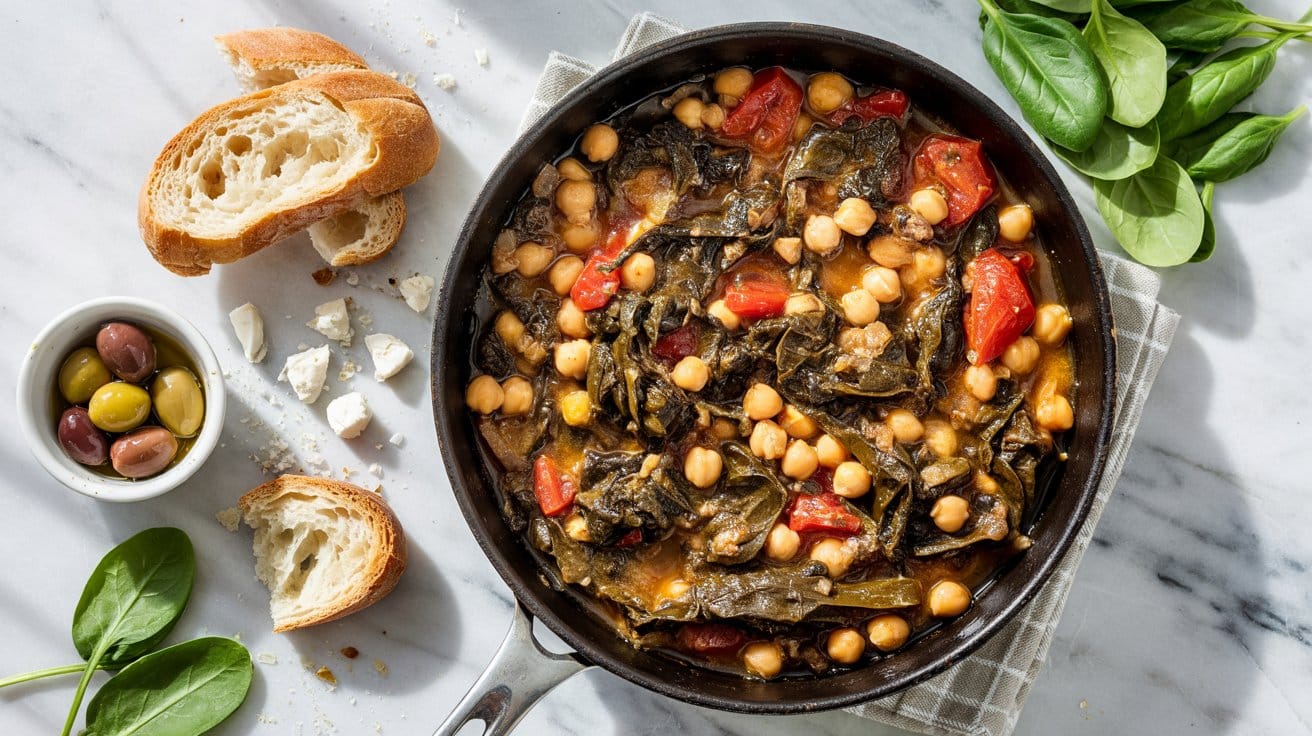
This skillet Mediterranean chickpeas with spinach recipe brings together simple ingredients for a nutritious and flavorful dish. The tender chickpeas blend with garlicky, spiced tomato sauce and fresh spinach, resulting in a filling meal that comes together quickly.
The combination of earthy spices and fresh greens creates a satisfying texture that works well for lunch or dinner. It's a recipe that fits well into busy schedules yet delivers plenty of taste and protein.
Why This Recipe Works
This recipe offers a convenient, one-pan meal loaded with fresh flavors and wholesome ingredients. It's quick to prepare and balances spicy, savory, and fresh notes perfectly.
- Convenience - Ready in under 30 minutes using pantry staples and fresh spinach.
- Flavor balance - Combines aromatic spices with the freshness of spinach and warmth of tomato.
- Texture - Creamy chickpeas contrast nicely with tender, wilted spinach.
- Nutrition - High in plant-based protein and fiber, making it both filling and healthy.
Ingredient Swap Ideas
Adjusting ingredients here can accommodate different tastes and dietary preferences without losing the heart of the dish. Feel free to explore substitutions that keep the richness and freshness intact.
- Chickpeas - Use canned or cooked chickpeas; white beans work well for a milder flavor.
- Spinach - Substitute baby kale or Swiss chard for a slightly earthier green.
- Spices - Swap smoked paprika with ground cumin or coriander for a different spice profile.
- Tomatoes - Use fresh diced tomatoes if you prefer a fresher sauce texture over canned.
Ingredients
- 2 tablespoons extra-virgin olive oil - For sautéing and flavor base.
- 3 cloves garlic, minced - Adds aromatic depth to the dish.
- 1 small onion, finely chopped - Builds a savory foundation.
- 1 teaspoon ground cumin - Provides earthy warmth.
- 1 teaspoon smoked paprika - Adds mild smokiness and color.
- ¼ teaspoon red pepper flakes - For subtle heat (adjust to taste).
- 1 can (15 ounces) chickpeas, drained and rinsed - Main protein element.
- 1 can (14 ounces) diced tomatoes - Forms the sauce base.
- 4 cups fresh spinach leaves - Adds freshness and a tender texture.
- Salt and black pepper, to taste - To season and enhance flavors.
- Juice of half a lemon - Brightens the dish at the end.
Instructions
- Heat olive oil in a large skillet over medium heat. Add the chopped onion and cook for 4 to 5 minutes, stirring occasionally, until softened and translucent.
- Stir in the minced garlic, ground cumin, smoked paprika, and red pepper flakes. Cook for about 1 minute until the spices become fragrant but do not burn.
- Add the drained chickpeas and diced tomatoes with their juices. Stir well, then reduce heat to medium-low and simmer for 10 minutes, allowing the flavors to meld.
- Add the fresh spinach to the skillet in batches, stirring until each batch wilts down before adding more. Cook until all the spinach is incorporated and tender, around 3 to 4 minutes.
- Season with salt, black pepper, and lemon juice to taste. Give it a final stir and remove from heat. Serve warm as a main dish or alongside grains like rice or couscous.
15. One-Pan Green Bean Almondine
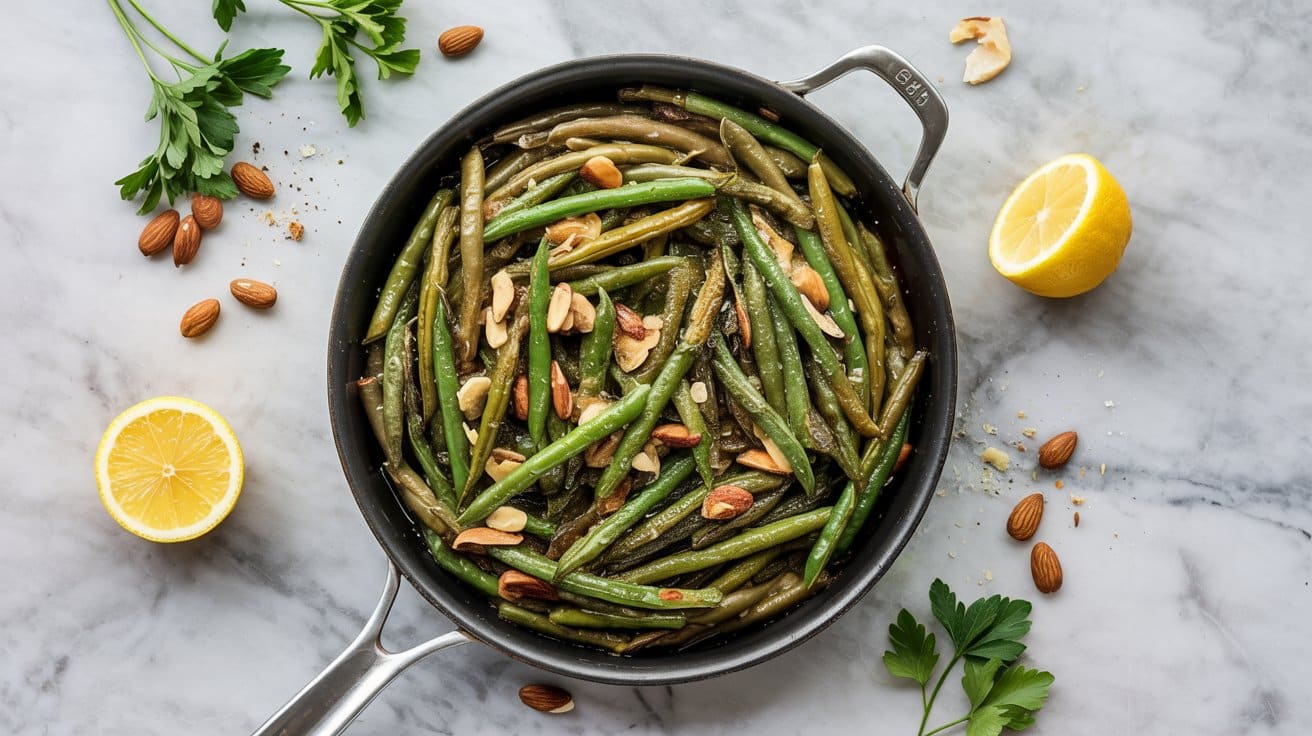
This One-Pan Green Bean Almondine brings together crisp-tender green beans, toasty almonds, and a fresh squeeze of lemon juice for a side dish that's both simple and bright. The lightly sautéed green beans stay bright and flavorful, while the almonds add a satisfying crunch, making this dish a welcome addition to any meal.
It's a straightforward recipe that comes together quickly and cleans up just as fast, offering a classic combination of flavors that feel fresh without any fuss. This side can easily complement dinners ranging from weeknight staples to more formal occasions.
Why This Recipe Works
This recipe balances convenience with a bright, lively flavor that works well alongside many main courses. The use of just one pan means less cleanup without sacrificing taste or texture.
- Convenience - Simple preparation with just one pan and minimal ingredients.
- Flavor balance - Nutty toasted almonds go with the fresh green beans and bright lemon.
- Texture - Crisp-tender beans meet crunchy nuts for a pleasing contrast.
- Appeal - A timeless side that fits casual dinners and special meals alike.
Ingredient Swap Ideas
Customizing this recipe can help it better fit different dietary needs or flavor preferences. A few simple swaps maintain the dish's character while offering variety.
- Almonds - Substitute sliced almonds with toasted pecans or walnuts for a different nutty flavor.
- Green beans - Use haricots verts or snap peas for a slightly different texture and taste.
- Lemon juice - Replace with a splash of white wine vinegar or apple cider vinegar for a tangier twist.
- Butter - Swap butter for olive oil or a dairy-free margarine to keep it vegan-friendly.
Ingredients
- 1 pound fresh green beans trimmed and washed.
- 3 tablespoons unsalted butter for sautéing and flavor.
- ⅓ cup sliced almonds toasted to bring out their nuttiness.
- 1 clove garlic minced for a subtle aromatic note.
- 1 tablespoon fresh lemon juice adds brightness and freshness.
- ¼ teaspoon salt to season the vegetables.
- ¼ teaspoon freshly ground black pepper for balanced seasoning.
Instructions
- Heat a large skillet over medium heat and melt the butter until it foams gently. Add the sliced almonds and cook, stirring frequently, until they turn golden and fragrant, about 2 to 3 minutes.
- Add the minced garlic to the skillet and cook for 30 seconds until aromatic, being careful not to let it brown.
- Toss in the trimmed green beans and season with salt and pepper. Stir to coat the beans evenly with the butter, almonds, and garlic.
- Cover the skillet with a lid and cook, stirring occasionally, for about 8 to 10 minutes or until the green beans are tender but still have a slight crunch.
- Remove the lid, stir in the fresh lemon juice, and cook uncovered for another minute to let the flavors meld. Adjust seasoning to taste and serve warm.
This simple one-pan meal brings crisp, bright flavors and a satisfying crunch to your plate, turning green beans into a standout side dish.
16. Crispy Skillet Polenta Cakes with Herbs
Polenta cakes are a wonderful way to enjoy golden, creamy cornmeal with a crisp crust that adds a satisfying crunch. These skillet polenta cakes bring out the natural sweetness of polenta, enhanced by aromatic herbs and Parmesan cheese for a savory kick.
Making these seared rounds is straightforward and quick once the polenta is cooked and chilled. They work perfectly as a side dish, a base for toppings, or even a snack that's full of flavor and texture contrast.
Why This Recipe Works
This recipe offers a delicious blend of creamy and crispy textures with fresh herbal notes that brighten every bite. It's simple to prepare and versatile enough for various meals.
- Convenience - Polenta can be made ahead and set in the fridge, speeding up the cooking process.
- Texture - Crispy edges meet a tender, smooth interior for a satisfying bite.
- Flavor balance - Fresh herbs and nutty Parmesan bring brightness and depth without overpowering.
- Appeal - Easy to adapt for side dishes or appetizers, suitable for all ages and occasions.
Ingredient Swap Ideas
Swapping ingredients allows you to customize the recipe according to your taste preferences or dietary needs without losing its core qualities. This keeps the dish approachable and flexible.
- Cheese - Replace Parmesan with Pecorino Romano for a sharper, saltier option.
- Herbs - Use rosemary or sage if fresh thyme and parsley are not available.
- Dairy - Substitute butter with olive oil to keep it vegan-friendly and add a fruity flavor.
- Polenta - Use quick-cooking polenta for a speedier preparation if pressed for time.
Ingredients
- 1 cup coarse cornmeal (polenta) - Provides the base for the cakes with a creamy texture once cooked.
- 4 cups water - Used to cook the polenta until thickened.
- 1 teaspoon salt - Enhances the flavor of the polenta.
- 2 tablespoons unsalted butter - Adds richness and helps with crisping the cakes.
- ½ cup grated Parmesan cheese - Brings savory, nutty flavor into the polenta.
- 2 tablespoons fresh parsley, chopped - Adds brightness and fresh herbal flavor.
- 1 tablespoon fresh thyme leaves - goes with the Parmesan with a subtle earthiness.
- 2 tablespoons olive oil - Used for frying the polenta cakes to crisp the exterior.
- Black pepper to taste - Adds a gentle kick of heat.
Instructions
- In a medium saucepan, bring the water and salt to a boil over medium-high heat. Slowly whisk in the cornmeal, reducing heat to low. Cook, stirring frequently, until the mixture thickens and pulls away from the pan's sides, about 20-25 minutes.
- Remove from heat and stir in the butter, grated Parmesan, parsley, thyme, and black pepper. Mix well until combined and smooth.
- Pour the polenta into a lightly greased shallow dish or baking sheet, spreading it evenly. Allow it to cool and firm up for at least 1 hour in the refrigerator.
- Once set, cut the polenta into rounds or squares, about 2 inches in diameter. Heat olive oil in a large skillet over medium heat. Add the polenta cakes and cook for 3-4 minutes per side, or until golden brown and crisp.
- Transfer the cakes to a plate lined with paper towels to drain excess oil. Serve warm as a side, topped with your favorite sauce, or alongside roasted vegetables.
17. Skillet Broccoli with Garlic and Lemon
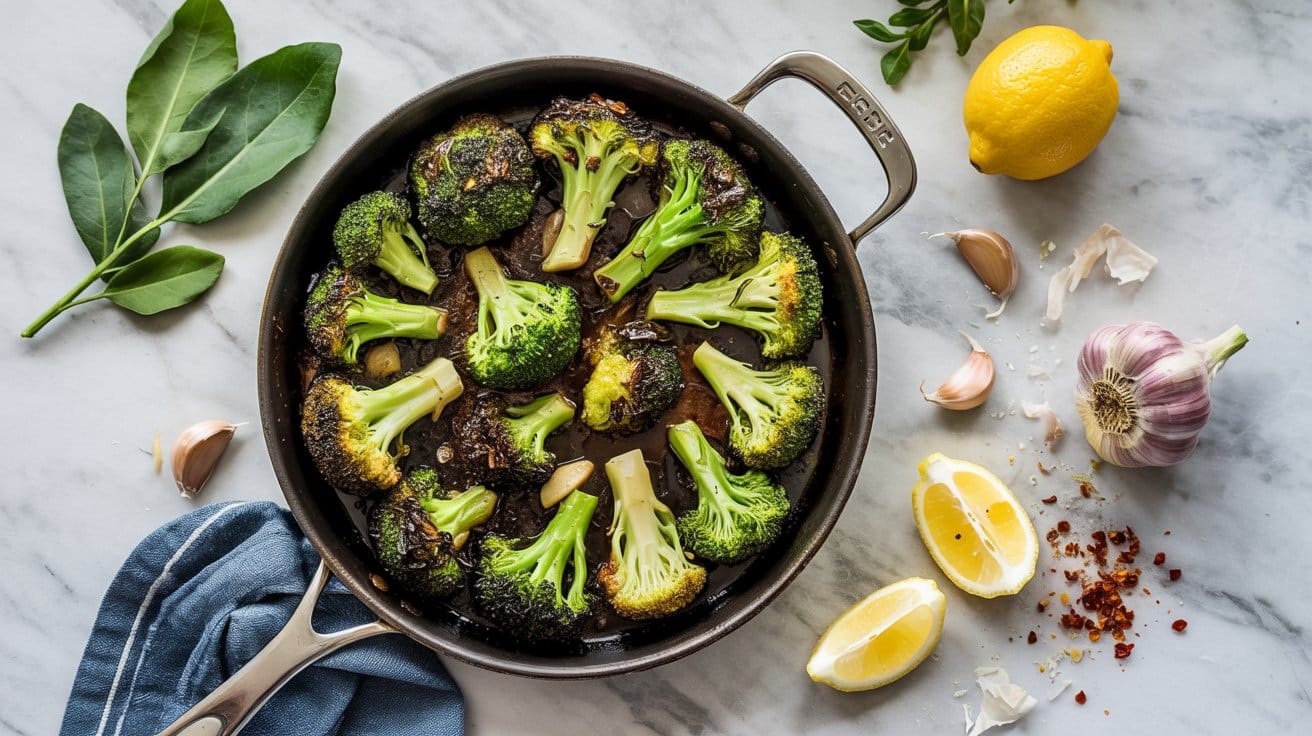
This skillet broccoli recipe is a quick and flavorful way to enjoy a nutritious side dish. The broccoli florets get a nutty, lightly crisped texture from cooking in a hot skillet, while the garlic adds a savory warmth.
A fresh squeeze of lemon brightens the dish with a zesty finish.
If you're after a simple veggie recipe that comes together in minutes and pairs well with many meals, this one fits the bill. It's both refreshing and satisfying, perfect for a weeknight family dinner or as a bright addition to any plate.
Why This Recipe Works
This recipe brings out the best in broccoli by combining simple, fresh ingredients that enhance flavor and texture.
- Convenience - Quick to prepare on the stovetop, requiring minimal chopping and cooking time.
- Flavor balance - The garlic and lemon provide a nice contrast, boosting the natural earthiness of broccoli.
- Texture - Broccoli gets tender with slightly crispy edges for an enjoyable bite every time.
- Appeal - Works well as a side dish that complements a variety of meals, from grilled meats to pasta.
Ingredient Swap Ideas
Adjusting ingredients in this recipe can easily accommodate different tastes or dietary preferences without losing the core flavors.
- Broccoli to other greens - Try cauliflower or asparagus instead for a similar cooking method and texture.
- Garlic alternative - Use garlic powder or shallots if fresh garlic isn't available.
- Lemon substitute - Swap fresh lemon juice for a splash of white wine vinegar or lime for a different acidic touch.
- Fat choice - Replace olive oil with avocado oil or light butter for a slight change in richness.
Ingredients
- 1 large head of broccoli - cut into medium florets for even cooking.
- 2 tablespoons extra-virgin olive oil - for sautéing and flavor.
- 3 cloves garlic - minced finely to release full aroma.
- ½ teaspoon kosher salt - to season and bring out natural flavors.
- ¼ teaspoon black pepper - freshly ground adds mild heat.
- 1 tablespoon fresh lemon juice - squeezed for a bright, fresh finish.
- Optional: lemon zest - from half a lemon for added citrus aroma.
Instructions
- Heat the olive oil in a large skillet over medium-high heat until shimmering. Add the broccoli florets and spread them in a single layer.
- Let the broccoli cook without stirring for about 3 to 4 minutes to develop a light crisp on one side. Stir occasionally after this to promote even cooking.
- Add the minced garlic, salt, and pepper. Stir for 1 to 2 minutes until the garlic softens and becomes fragrant but does not brown.
- Pour in the fresh lemon juice and toss everything to combine. Cook for another minute to let the flavors meld.
- Remove from heat and, if using, sprinkle lemon zest over the broccoli. Serve warm as a bright, flavorful side.
18. Skillet Collard Greens with Bacon and Red Pepper Flakes
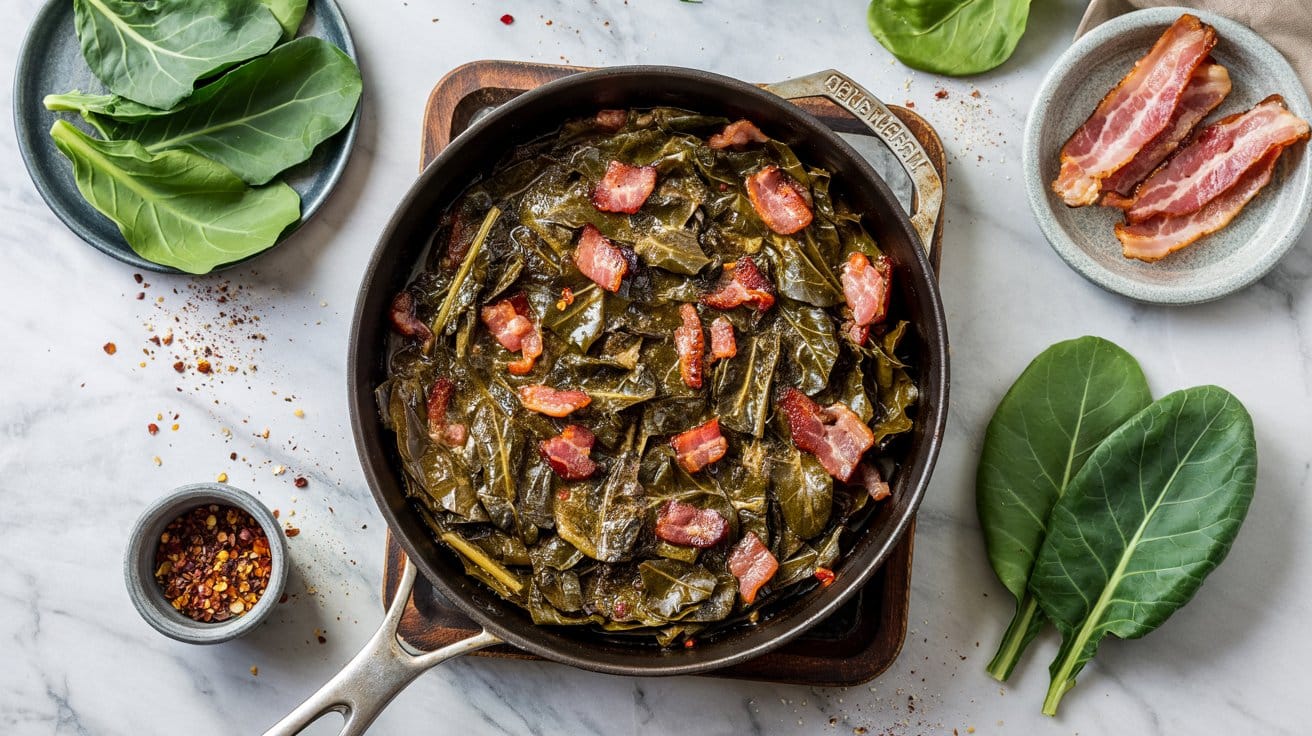
This skillet collard greens recipe brings a touch of Southern comfort to your table with smoky bacon and a subtle kick from red pepper flakes. The greens braise beautifully in the savory bacon fat, resulting in tender leaves that still hold just enough bite to enjoy their natural earthiness.
It's a straightforward dish that cooks quickly on the stovetop, making it a great choice when you want a nutritious, flavorful side without spending a lot of time. The balance between smoky, spicy, and slightly bitter notes make these collard greens a crowd-pleaser.
Why This Recipe Works
This dish offers a simple way to enjoy collard greens with bold, layered flavors that complement many main courses. It combines hearty greens, smoky bacon, and a mild heat that keeps the palate interested.
- Convenience - Uses one skillet for quick cooking and easy cleanup.
- Flavor balance - Smoky bacon pairs with the slightly bitter collards and a hint of heat from red pepper.
- Texture - Greens cook until tender but not mushy, providing a satisfying mouthfeel.
- Appeal - Traditional Southern flavors that work well for family meals or gatherings.
Ingredient Swap Ideas
Swapping ingredients can help you adapt this dish to different taste preferences or dietary needs without losing its core flavors.
- Bacon alternative - Use smoked turkey bacon or omit meat and add smoked paprika for a vegetarian version.
- Greens substitute - Try kale, Swiss chard, or mustard greens if you want a slightly different flavor and texture.
- Heat adjustment - Reduce or skip the red pepper flakes if you prefer less spice or replace with a milder chili powder.
- Fat choice - Cook with olive oil instead of bacon fat for a lighter preparation.
Ingredients
- 1 pound collard greens - washed, thick stems removed, and chopped into bite-sized pieces.
- 4 slices bacon - chopped into small pieces.
- ½ teaspoon red pepper flakes - adjust to taste.
- 1 small onion - finely chopped.
- 2 cloves garlic - minced.
- 1 cup chicken broth - or vegetable broth for vegetarian version.
- 1 tablespoon apple cider vinegar - for brightness and balance.
- Salt - to taste.
- Black pepper - to taste.
Instructions
- Cook bacon pieces in a large skillet over medium heat until crispy and browned. Remove bacon with a slotted spoon and set aside, leaving the rendered fat in the skillet.
- Add the chopped onion to the skillet and sauté in the bacon fat for about 3 minutes until softened. Stir in minced garlic and red pepper flakes and cook for another minute until fragrant.
- Add the chopped collard greens to the skillet in batches, stirring to coat them evenly with the bacon fat and aromatics. Cook until the greens begin to wilt, about 5 minutes.
- Pour in the chicken broth and apple cider vinegar, then cover the skillet. Reduce heat to low and simmer for 20 to 25 minutes, stirring occasionally until the greens are tender.
- Season with salt and black pepper to taste. Stir in the cooked bacon pieces just before serving to maintain their crispness. Serve warm as a flavorful side dish.
19. Skillet Roasted Cherry Tomatoes with Feta
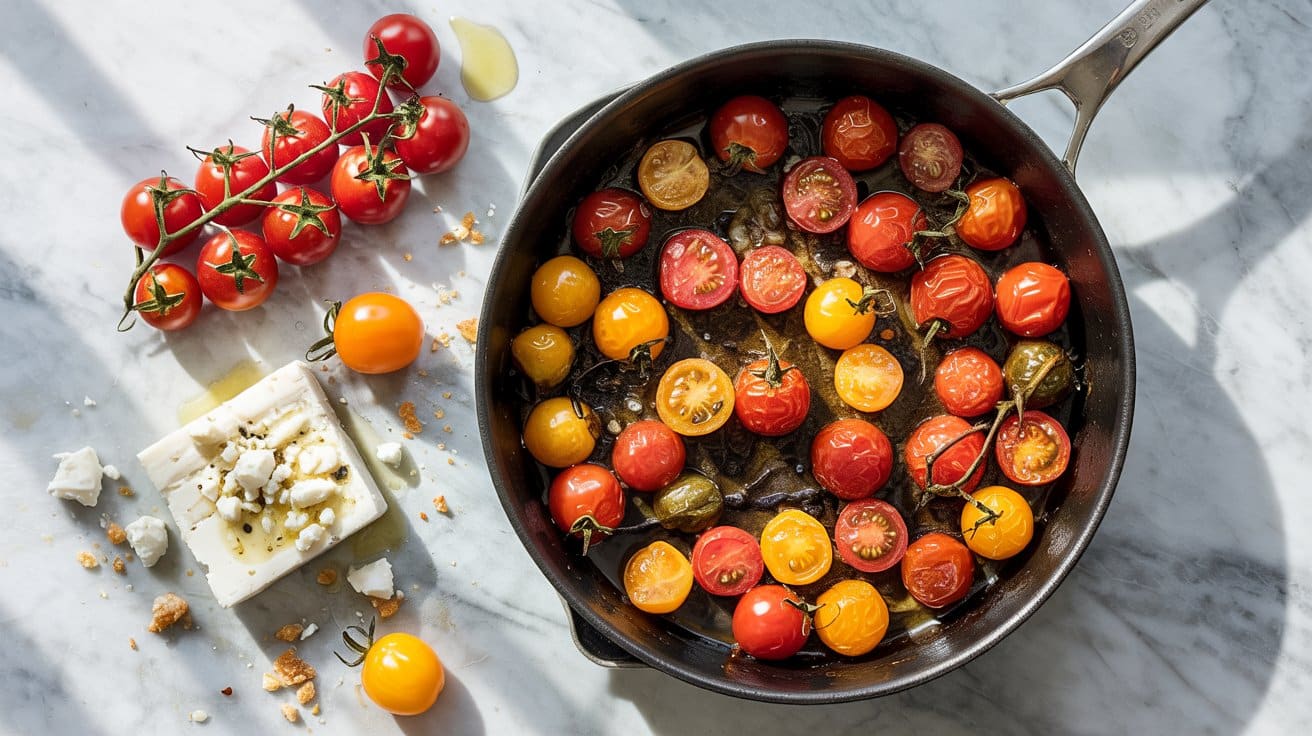
Here's a simple way to bring out the deep, sweet flavors of cherry tomatoes by roasting them right in a skillet. The tomatoes burst with juicy goodness and become beautifully caramelized, creating a rich base for the creamy, salty feta sprinkled on top.
This dish comes together quickly with just a few ingredients, making it an excellent addition to many meals. Whether you serve it alongside grilled meat, toss it with pasta, or enjoy it with crusty bread, it adds a fresh, bright touch that's both satisfying and straightforward to prepare.
Why This Recipe Works
This recipe combines fresh ingredients with quick cooking techniques to create a flavorful side or topping that enhances any meal.
- Convenience - Uses a single skillet and minimal prep for a fast, stress-free dish.
- Flavor balance - The natural sweetness of roasted tomatoes contrasts with tangy, salty feta.
- Texture - Juicy, softened tomatoes paired with crumbly feta provide a pleasant mouthfeel.
- Appeal - Its bright color and fresh ingredients make it both inviting and nutritious.
Ingredient Swap Ideas
Making simple swaps can adjust this recipe to suit your dietary preferences or the ingredients you have on hand.
- Feta cheese - Replace with goat cheese or a dairy-free cheese for a different texture and flavor.
- Cherry tomatoes - Use grape tomatoes or halved small plum tomatoes if you prefer.
- Fresh basil - Swap with fresh oregano, thyme, or parsley to shift the herb profile.
- Olive oil - Use avocado oil or another mild oil if you want a lighter taste.
Ingredients
- 2 cups cherry tomatoes - Washed and halved if large.
- 2 tablespoons extra-virgin olive oil - For roasting and adding richness.
- ½ teaspoon salt - Enhances the natural sweetness of the tomatoes.
- ¼ teaspoon black pepper - Freshly ground for mild heat and depth.
- ½ cup crumbled feta cheese - Adds creamy tanginess and saltiness.
- 2 tablespoons fresh basil leaves - Roughly chopped, for garnish and freshness.
Instructions
- Heat the olive oil in a large skillet over medium heat until shimmering. Add the cherry tomatoes, cut side down if halved, arranging them in a single layer.
- Cook the tomatoes undisturbed for about 5 minutes until they start to soften and develop a slight char. Stir gently and continue to cook for another 5 to 7 minutes until the tomatoes are bursting and tender.
- Season the tomatoes with salt and black pepper, stirring to combine evenly. Remove the skillet from heat.
- Sprinkle the crumbled feta cheese over the warm tomatoes, allowing it to soften slightly from the residual heat.
- Garnish with fresh basil leaves just before serving. Serve warm as a side dish, on toasted bread, or tossed into pasta.
20. Skillet Sautéed Peppers and Onions
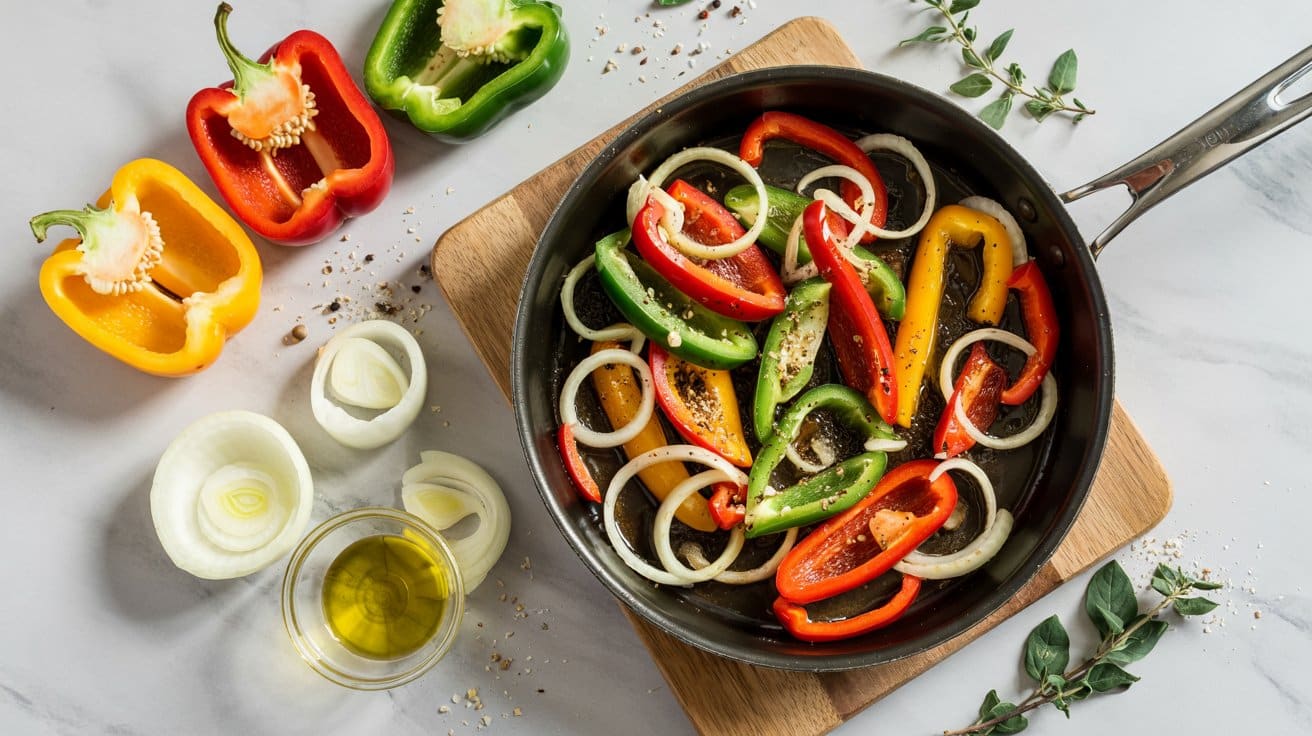
Sautéed peppers and onions come together into a simple side dish that's both colorful and flavorful. The natural sweetness of the bell peppers blends beautifully with the caramelized edges of the onions, making this a versatile addition to many meals.
This dish cooks quickly on the stovetop and requires minimal ingredients, making it an easy choice for busy weeknights or as a fresh complement to grilled meats, sandwiches, or rice bowls. The tender yet slightly crisp texture keeps every bite interesting.
Why This Recipe Works
This recipe balances bright, sweet flavors with minimal effort and ingredients, offering a versatile side that enhances many dishes.
- Convenience - Uses common ingredients and comes together in under 15 minutes.
- Flavor balance - Sweetness from peppers meets the rich caramel notes of sautéed onions.
- Texture - Soft peppers with edges slightly browned for a tender, slightly crisp bite.
- Appeal - Works well for any occasion, from casual dinners to family meals.
Ingredient Swap Ideas
Adjusting ingredients allows you to customize this dish for different diets or to use what you have on hand without losing its essence.
- Bell peppers - Substitute with poblano or Anaheim peppers for a milder, earthy flavor.
- Onions - Use red onions for a sharper taste or shallots for a more delicate sweetness.
- Oil - Replace olive oil with avocado oil or butter for different fat profiles and flavors.
- Seasoning - Add a pinch of smoked paprika or chili flakes to introduce warmth and spice.
Ingredients
- 2 tablespoons olive oil - For sautéing the vegetables and adding richness.
- 2 large bell peppers, sliced into thin strips - Use a mix of red, yellow, and green for color variety.
- 1 large onion, thinly sliced - Yellow or white onion works well for caramelization.
- ½ teaspoon salt - Enhances the natural flavors of the vegetables.
- ¼ teaspoon black pepper - Adds just a touch of heat and depth.
Instructions
- Heat olive oil in a large skillet over medium heat until shimmering. Add the sliced onions and cook, stirring occasionally, for about 5 minutes until they start to soften and turn translucent.
- Add the sliced bell peppers to the skillet. Continue to cook, stirring every few minutes, for 7 to 10 minutes until the peppers are tender but still hold some firmness.
- Sprinkle salt and black pepper evenly over the vegetables. Stir well and cook for another minute to blend the flavors.
- Remove the skillet from heat. Taste and adjust the seasoning if needed. Transfer to a serving dish and serve warm alongside your main course.
If you don't have a broiler pan, sturdy sheet pans with an oven-safe rack can mimic broiler airflow for crisping and browning broiler pan substitutes for crisping. When a loaf pan is unavailable, an oval casserole or a 9x5-inch loaf-shaped metal pan can be effective alternatives for baking compact loaves loaf pan substitutes for baking.

Andrew Gray is a seasoned food writer and blogger with a wealth of experience in the restaurant and catering industries. With a passion for all things delicious, Andrew has honed his culinary expertise through his work as a personal chef and caterer.
His love for food led him to venture into food writing, where he has contributed to various online publications, sharing his knowledge and insights on the culinary world. As the proud owner of CooksCrafter.com, Andrew covers a wide range of topics, including recipes, restaurant reviews, product recommendations, and culinary tips.
Through his website, he aims to inspire and educate fellow food enthusiasts, offering a comprehensive resource for all things food-related.