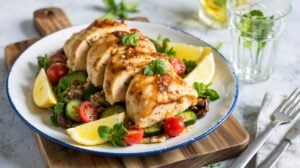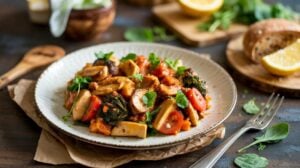
Pasta primavera is a light, garlicky pasta tossed with crisp-tender vegetables, olive oil, and a sprinkle of Parmesan, an Italian-American dish that became popular in the 1970s. It cooks fast, tastes bright and fresh, and works with whatever mix of asparagus, peas, bell peppers, or zucchini you have, typically ready in about 20-25 minutes.

This simple pasta dish is perfect when you want something wholesome without a lot of effort. Whether you're feeding your family or cooking for one, pasta primavera brings a pop of freshness and comfort in every bite.
Why You'll Want to Make Pasta Primavera Again and Again
There's no heavy sauce here-just light, fresh ingredients that come together fast. It's incredibly versatile, perfect for weeknights, and customizable to the vegetables you have on hand.
For a similar corkscrew shape that traps vegetables and oil, see cavatappi alternatives for sauce-holding pastas.
- Ready in Under 30 Minutes - Quick enough for busy evenings; make-ahead breakfasts for busy mornings.
- Packed with Color and Texture - A rainbow of veggies in every forkful.
- Light Yet Satisfying - No cream, just olive oil and garlic for a clean finish, finished by tossing with starchy pasta water to create a silky coating, using about 2-4 tablespoons of reserved pasta water to emulsify the oil into a silky sauce.
- Flexible Ingredients - Swap in any seasonal vegetables you love.
Main Ingredients That Make This Dish Work
Only a few components are needed to make a really good pasta primavera. These are the ones that matter most.

- Pasta - Spaghetti or penne are great, but any short or long pasta works.
- Zucchini & Bell Peppers - Adds freshness and crunch.
- Cherry Tomatoes - Juicy and sweet when lightly sautéed.
- Broccoli Florets - Brings a slightly bitter contrast to the sweetness of the tomatoes.
- Garlic & Olive Oil - The base of the sauce that lets the veggies shine.
- Parmesan Cheese - Optional, but adds a salty kick at the end.
How to Make Pasta Primavera
You won't need a lot of steps-just fresh veggies, cooked pasta, and a quick sauté to bring it all together.

- Cook the Pasta - Boil until al dente. Reserve a bit of pasta water before draining.
- Sauté the Vegetables - In olive oil, cook garlic, then add vegetables in stages based on cooking time.
- Add Tomatoes Last - Toss them in at the end to keep them juicy and not mushy.
- Combine Everything - Add pasta and a splash of pasta water to the skillet. Toss until coated.
- Finish and Serve - Top with black pepper, chopped herbs, and grated Parmesan if desired.
The result is a light, bright pasta dish that feels effortless but looks and tastes amazing.
Great Side Dishes for Pasta Primavera
You don't need much to round out this meal, but a few sides can make it feel complete - a simple salad and garlic bread usually do the job in under 10 minutes; for more quick options see chicken-pesto pasta side ideas.

| Side Dish | Why It Works |
|---|---|
| Garlic Bread | Adds crunch and soaks up any extra olive oil sauce. |
| Simple Arugula Salad | Peppery greens balance the sweetness of the vegetables. |
| Grilled Zucchini | Pairs well with the zucchini already in the dish. |
| Caprese Skewers | Light and fresh with basil and tomato. |
| Lemon Roasted Asparagus | Adds brightness and goes with the primavera theme. |
| Parmesan Crisps | A crunchy, salty topping or snack to serve on the side. |
How to Store and Reheat Pasta Primavera
This pasta makes great leftovers and reheats beautifully with a splash of water or broth.
Storage Tips
- Store leftovers in an airtight container in the fridge for up to 3 days.
- Avoid freezing as it may change the texture of the vegetables.
Reheating Tips
- Stovetop: Add a splash of broth or water, and reheat on medium heat until warm.
- Microwave: Cover loosely and reheat in 30-second bursts, stirring in between.
How to Make It Taste Even Better
Getting pasta primavera just right is all about freshness and timing. These tips help bring it to life.
- Use high-heat for sautéing veggies - It keeps them crisp-tender.
- Cook pasta just to al dente - It will finish in the skillet without getting mushy.
- Don't skip the pasta water - It helps everything cling to the pasta without feeling oily.
- Layer your vegetables - Add tougher veggies like carrots first, and tender ones like spinach at the end.
- Finish with lemon zest - It adds brightness without overpowering the natural flavors.
Frequently Asked Questions
1. Can I add protein to pasta primavera?
Yes! Try grilled chicken, shrimp, or chickpeas for added protein without changing the flavor.
2. What vegetables work best in primavera?
Any mix of zucchini, asparagus, bell pepper, peas, or spinach works great; frozen-vegetable dinner ideas for weeknights, with tender asparagus best in spring and zucchini a summer squash; pair these with easy sides at roasted vegetable sides for weeknights.
3. Is this dish vegan?
It can be-just skip the cheese or use a vegan alternative.
4. Can I make it ahead of time?
Yes, but for the freshest taste, keep the cooked pasta and veggies separate, then toss together just before serving.
5. What's the best pasta shape to use?
Penne, spaghetti, or fusilli all work. Use whatever holds onto the vegetables and sauce well, favoring ridged or twisted shapes like penne and fusilli that trap olive-oil based sauces, helping the vegetables cling with each bite.
This pasta primavera recipe brings together the best of spring and summer veggies with a simple, flavorful approach. It's light, fresh, and easy to make-a perfect choice for a colorful dinner any day of the week.
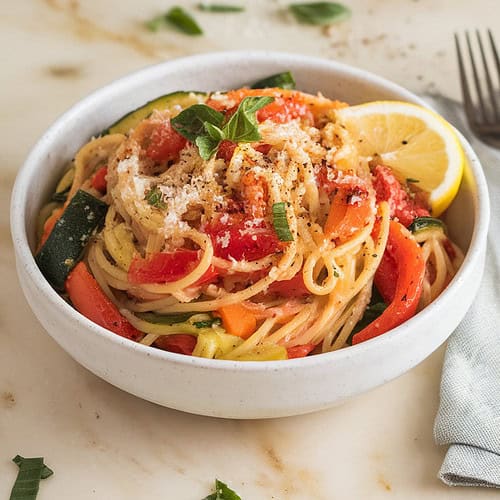
Pasta Primavera
Equipment
- Large pot For cooking pasta
- Skillet For sautéing vegetables
- Colander For draining pasta
Ingredients
- 8 oz spaghetti or pasta of choice
- 1 cup zucchini sliced
- 1 cup bell peppers chopped, any color
- 1 cup broccoli florets cut small
- 1 cup cherry tomatoes halved
- 3 cloves garlic minced
- 2 tablespoons olive oil for sautéing
- ½ cup Parmesan cheese grated, optional
- ¼ cup fresh basil chopped
Instructions
- Boil pasta in salted water until al dente. Reserve ½ cup of pasta water and drain.
- Heat olive oil in a skillet. Sauté garlic for 1 minute, then add broccoli and bell peppers. Cook for 3-4 minutes.
- Add zucchini and cherry tomatoes. Cook for another 3-4 minutes until vegetables are tender-crisp.
- Add drained pasta and reserved pasta water to the skillet. Toss everything to combine.
- Top with chopped basil and Parmesan. Serve warm.
Notes
- Use any seasonal vegetables you have on hand.
- Add lemon zest for extra brightness before serving.
- Swap Parmesan with nutritional yeast for a vegan version.
Bright, seasonal vegetables like asparagus or zucchini bring clean, fresh flavors that pair particularly well with light, oil-based pasta dishes; see more pairing ideas at shrimp pasta sides for complementary flavors. If you want a different noodle for baked or saucier preparations, consider these ziti substitutes for baked dishes.

Andrew Gray is a seasoned food writer and blogger with a wealth of experience in the restaurant and catering industries. With a passion for all things delicious, Andrew has honed his culinary expertise through his work as a personal chef and caterer.
His love for food led him to venture into food writing, where he has contributed to various online publications, sharing his knowledge and insights on the culinary world. As the proud owner of CooksCrafter.com, Andrew covers a wide range of topics, including recipes, restaurant reviews, product recommendations, and culinary tips.
Through his website, he aims to inspire and educate fellow food enthusiasts, offering a comprehensive resource for all things food-related.