Running out of brown mustard (a spicy prepared mustard made from brown/Indian mustard seeds, Brassica juncea) mid-recipe is one of those things we've all dealt with.
Good thing there are quick alternatives that work just fine. We've swapped brown mustard with Dijon, yellow mustard, and even spicy ones. They each bring their own vibe, but they do the job.
Some options keep that tangy zip we need, and others add something a little extra. What's great is that most of these substitutes are already in the fridge or pantry.
Burgers, dressings, or marinades won't have to wait just because we're out of brown mustard.
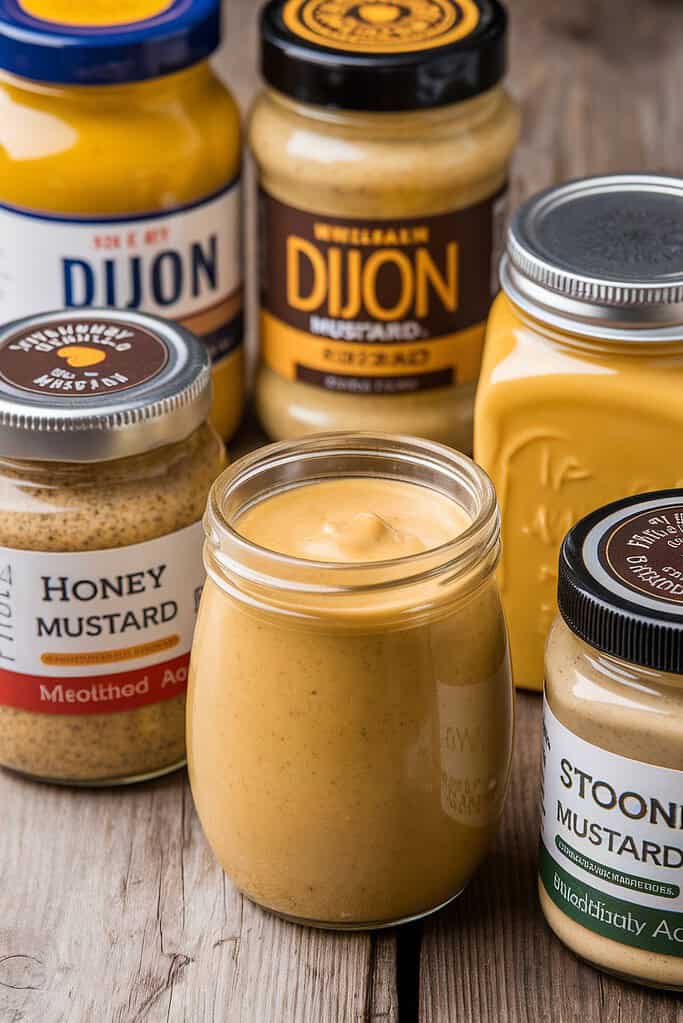
Flavorful Brown Mustard Substitutes
Here are four substitutes for brown mustard that you can use in a pinch:
1 - Yellow Mustard
First, yellow mustard is the easiest swap. It's mild, tangy, and similar enough to brown mustard (with a brighter, slightly vinegary tang and milder heat).
This makes it a top choice, especially for recipes that need that mustard kick without overpowering.
Use the same amount as brown mustard-1:1 ratio works perfectly.
It's sweeter and less spicy, though. That's important.
If your dish thrives on bold flavors, this might feel a bit too mellow. We find it shines in sandwiches, sauces, and milder marinades.
Yellow mustard is also super easy to find. Odds are, it's already sitting in your fridge door. Bonus?
It blends seamlessly into recipes without fancy tricks.
Need more yellow mustard ideas? You can check out a detailed yellow mustard substitutes guide to keep your recipes rolling, or explore yellow onion substitutes for flavor swaps.
2 - Dijon Mustard
The thing about Dijon mustard? It's fancy without trying too hard.
Its flavor is sharper and tangier than brown mustard, with a smooth, creamy texture. That means it works well in dressings, marinades, or recipes needing a bit of bite.
Go for a 1:1 swap-simple and precise.
It's made with white wine (traditionally paired with brown or black mustard seeds and sometimes verjuice), so it's got a subtle kick that stands out. Use it sparingly if your dish leans lighter on boldness.
Dijon brings a balanced tang and spice mix, leaning just slightly on the spicier side compared to yellow mustard.
You'll usually find it stashed in most pantries or grocery shelves. It's reliable for quick subs anytime you're running low.
If you want extra details on other swaps, check out this guide on dijon mustard substitutes or alternatives like mustard green substitutes for leafy swaps.
3 - Stone-Ground Mustard
While stone-ground mustard may not be as common in everyone's pantry, it's still a great substitute for brown mustard. It's got that punchy tang and is made with whole mustard seeds (often using brown mustard seeds, Brassica juncea), giving it an earthy kick.
To swap, use the same amount of stone-ground mustard as brown, but taste before adding more, and for powdered options see ground mustard substitutes for pantry swaps.
This one works well on burgers or steaks-anything you'd add grainy mustards to. If your recipe needs a bit more zing than yellow mustard can offer, this is where stone-ground shines.
4 - Horseradish Sauce
It's made from grated horseradish root (Armoracia rusticana, a pungent root in the Brassicaceae family), vinegar, and mayonnaise-giving it a similar creamy texture to brown mustard.
For swap purposes, use only half the amount of horseradish sauce as brown mustard. The intense flavor can easily overpower dishes if you're not careful.
Try it in meat marinades or spread on sandwiches for added heat, and for swaps consider horseradish substitutes for similar heat.
Frequently Asked Questions
Yellow mustard is milder and less tangy than brown mustard but can still provide a similar mustard flavor in dishes.
Yes, Dijon mustard has a smooth texture and a tangy flavor that can replace brown mustard, though it is a bit more refined in taste.
Stone-ground mustard has a coarser texture and more intense flavor, making it a great alternative to brown mustard in recipes that need a bit more texture.
Horseradish sauce is much spicier and tangier than brown mustard, so it can be a bold substitute in dishes that can handle the extra heat.

Andrew Gray is a seasoned food writer and blogger with a wealth of experience in the restaurant and catering industries. With a passion for all things delicious, Andrew has honed his culinary expertise through his work as a personal chef and caterer.
His love for food led him to venture into food writing, where he has contributed to various online publications, sharing his knowledge and insights on the culinary world. As the proud owner of CooksCrafter.com, Andrew covers a wide range of topics, including recipes, restaurant reviews, product recommendations, and culinary tips.
Through his website, he aims to inspire and educate fellow food enthusiasts, offering a comprehensive resource for all things food-related.