Schmaltz is a rendered poultry fat (usually chicken) with a rich, savory poultry flavor and a silky mouthfeel. It shows up most often in Ashkenazi Jewish cooking in dishes like chopped liver, latkes, and roasted potatoes.
When you run out or want a different flavor direction, these 7 substitutes cover the closest matches by flavor profile and cooking behavior, matched for similar smoke point and melting behavior.

7 Easy Substitutes for Schmaltz
With these easy schmaltz substitutes, you won't have to make a special trip to the store or spend hours in the kitchen - for dairy swaps in batters see milk alternatives for pancakes that work.
| Substitute | Taste | Smoke Point | Suitable Dishes |
| Butter | Rich, creamy | 302°F | Baking, sautéing, spreading |
| Lard | Savory | 370°F | Frying, baking, pie crusts |
| Duck Fat | Rich, gamey | 375°F | Roasting, confit, potatoes |
| Vegetable Oil | Neutral | Varies | Frying, baking, dressings |
| Coconut Oil | Sweet, nutty | 350°F | Baking, sautéing, desserts |
| Olive Oil | Fruity, bold | 320°F | Dressings, sautéing, marinades |
| Ghee | Nutty, rich | 482°F | Indian cooking, sautéing |
1 - Butter - Rich Dairy for Baking
In recipes it contributes both fat and browning through milk solids, which is why bakers use it for flaky pastries and sautés as well as flavor; it also shines in treats like air fryer peanut butter cookies.
Butter can replace schmaltz because both are fats that provide tenderizing and emulsifying effects in doughs and pan-cooking; butter's triglyceride profile and saturated fat content let it brown and coat ingredients in a way similar to rendered poultry fat. The shared functional property-fat that melts and crisps-explains why recipes hold together when you swap one for the other.
The swap also changes the dish: butter adds dairy notes and a slightly sweeter, milky aroma while lacking the distinct poultry flavor of schmaltz, and its water content lowers the smoke point compared with pure rendered fat. For high-heat frying you'll notice a lower smoke threshold unless you use clarified butter.
Use butter at a 1:1 ratio by volume for most baking and pan-frying tasks; for searing or deep frying, use clarified butter or ghee (see section on ghee) at a 1:1 ratio to reduce smoking. Butter works best in mashed potatoes, pie crusts, pan-sautéed vegetables, and when you want buttery browning rather than an animal-fat aroma.
2 - Lard - Neutral Pork Fat for Pastries
Lard is rendered pork fat that is semi-solid at room temperature with a melting point around 86-100°F and prized for a neutral, clean fat flavor and a smooth, spreadable texture. Its melting behavior and crystalline structure make lard a classic choice for producing very tender, flaky pastry and for high-heat frying.
Lard replaces schmaltz effectively because both are rendered animal fats with similar melting points and tactile properties in doughs and batters; they coat proteins and starches in a comparable way, which preserves flakiness and crispness, and lard also performs well for roasted pork such as air fryer pork roast for beginners.
Expect a change in flavor profile: lard brings a mild pork-derived richness rather than a poultry aroma, so dishes that rely on schmaltz's chicken notes will taste different, though mouthfeel and browning remain close. Lard also has a high smoke point, so it behaves predictably in frying and roasting.
Use lard at a 1:1 ratio by volume in place of schmaltz for pie crusts, fried latkes, and pan-frying; avoid lard for halal or kosher needs and for recipes where poultry aroma is essential.
3 - Duck Fat - Poultry Fat for Roasting
Duck fat is rendered fat from ducks with a rich, savory profile and a noticeably poultry-derived aroma; it is high in monounsaturated fats such as oleic acid and remains fluid at warm cooking temperatures, with a smoke point around 375°F. Chefs commonly use duck fat for roasting vegetables, confit, and shallow frying because it crisps surfaces while keeping interiors tender.
Duck fat works as a schmaltz substitute because both are animal fats from poultry species, so they share related flavor compounds and a similar mouth-coating richness; this biological relationship means duck fat will recreate much of the savory, roasted-note character that schmaltz contributes. Functionally, both fats excel at producing crisp textures and caramelized browning.
The difference is in intensity: duck fat often tastes richer and slightly more gamey than chicken schmaltz, which can amplify savory notes in roasted potatoes or pan-fried potatoes. It also tends to have a slightly higher smoke point and a silkier finish, so the final dish may feel more luxurious.
Substitute duck fat 1:1 by volume for schmaltz in roasting, pan-frying, and confit applications; it's ideal for roasted potatoes, sautéed greens, and searing meats where poultry notes are desirable.
4 - Vegetable Oil - Neutral Oil for High-Heat
They are supplied as clear, odorless liquids used widely for frying, roasting, and as a background fat in batters, and they work well in brothy meals like vegetable beef soup made easy.
Vegetable oil replaces schmaltz functionally because both provide a hot, fluid medium for heat transfer in frying and roasting; a neutral oil carries heat efficiently and crisps surfaces without introducing animal-derived flavors. The shared functional role-providing a stable frying medium-explains why frying and sauté outcomes remain reliable when you swap to a neutral oil.
The trade-off is flavor and texture: because vegetable oil lacks the solids that animal fats contain, pastries will not set or flake exactly the same, and the savory poultry aroma of schmaltz is absent. The result is a cleaner-tasting dish without the animal-fat depth.
Use vegetable oil at a 1:1 volume ratio for deep frying, high-heat roasting, and pan-frying where you don't want animal flavor; add a tablespoon of butter or a pinch of poultry seasoning per cup if you want to restore some savory notes in finished dishes.
5 - Coconut Oil - Tropical Saturated Fat for Baking
Coconut oil is an extracted oil from Cocos nucifera (coconut) that is high in saturated fats, often solid at room temperature (melting point ~76°F), and available in refined (neutral) or virgin (coconut-scented) forms. Its solidity and saturated profile make it useful for creating structure in baked goods and for shallow frying at moderate temperatures.
Coconut oil can stand in for schmaltz because both are fats that solidify at cooler temperatures and then melt during cooking, providing similar textural effects in pastries and cookies; this physicochemical similarity helps doughs bind and crisper edges form in frying, and coconut oil is commonly used for dishes like air fryer coconut shrimp.
The key difference is flavor: virgin coconut oil imparts a coconut aroma and subtle sweetness, while refined coconut oil is nearly neutral; neither delivers the poultry aroma of schmaltz. Coconut oil's smoke point also varies-refined types handle higher heat than unrefined versions-so frying behavior changes accordingly.
Swap coconut oil 1:1 by volume for schmaltz in baking and moderate-heat frying; choose refined coconut oil at 1:1 if you want to avoid coconut notes. Use it for cookies, quick breads, pan-frying tofu, and wherever a plant-based saturated fat is acceptable.
6 - Olive Oil - Fruity Oil for Dressings
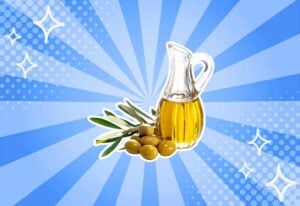
Olive oil is pressed from the fruit of Olea europaea and is rich in monounsaturated fats with fruity, peppery, or grassy flavor notes depending on the pressing and varietal; extra-virgin olive oil adds pronounced aroma and lower smoke point, while light/refined olive oil is milder and tolerates higher heat. It is a liquid oil used extensively in Mediterranean preparations for dressings, roasting, and low-to-medium-heat sautéing.
Olive oil replaces schmaltz in many recipes because both supply fat for heat transfer and moisture, and olive oil's higher oleic acid content helps brown surfaces and carry seasonings. The shared role-providing a lipid medium that coats ingredients and enables even cooking-keeps recipes functional when you swap fats.
Flavor and nutritional shifts are significant: olive oil introduces fruity or peppery notes and reduces animal-derived savoriness, so dishes that rely on schmaltz's poultry aroma will change character. Also, olive oil's lower saturated fat content and variable smoke point affect high-heat applications.
Use olive oil at a 1:1 ratio by volume for dressings, roasting root vegetables, and medium-heat sautés; for very high-heat frying, prefer refined olive oil or another high-smoke-point oil and expect a fruitier, plant-forward flavor profile in the finished dish.
hee provides buttery, nutty richness and a high smoke point, and it can replace schmaltz 1:1 for frying and roasting. It lacks the distinct poultry aroma of schmaltz but reproduces similar texture and browning behavior.