Spicy Kimchi Cabbage Salad offers a vibrant twist on a classic Korean favorite, a quick no-fermentation kimchi-style banchan (small Korean side dish) that brings kimchi flavors without weeks of lactic fermentation. It balances bold, fiery flavors with crisp, refreshing textures that make every bite exciting. This salad is ideal for those seeking a lively side dish that wakes up the palate while staying light and approachable.
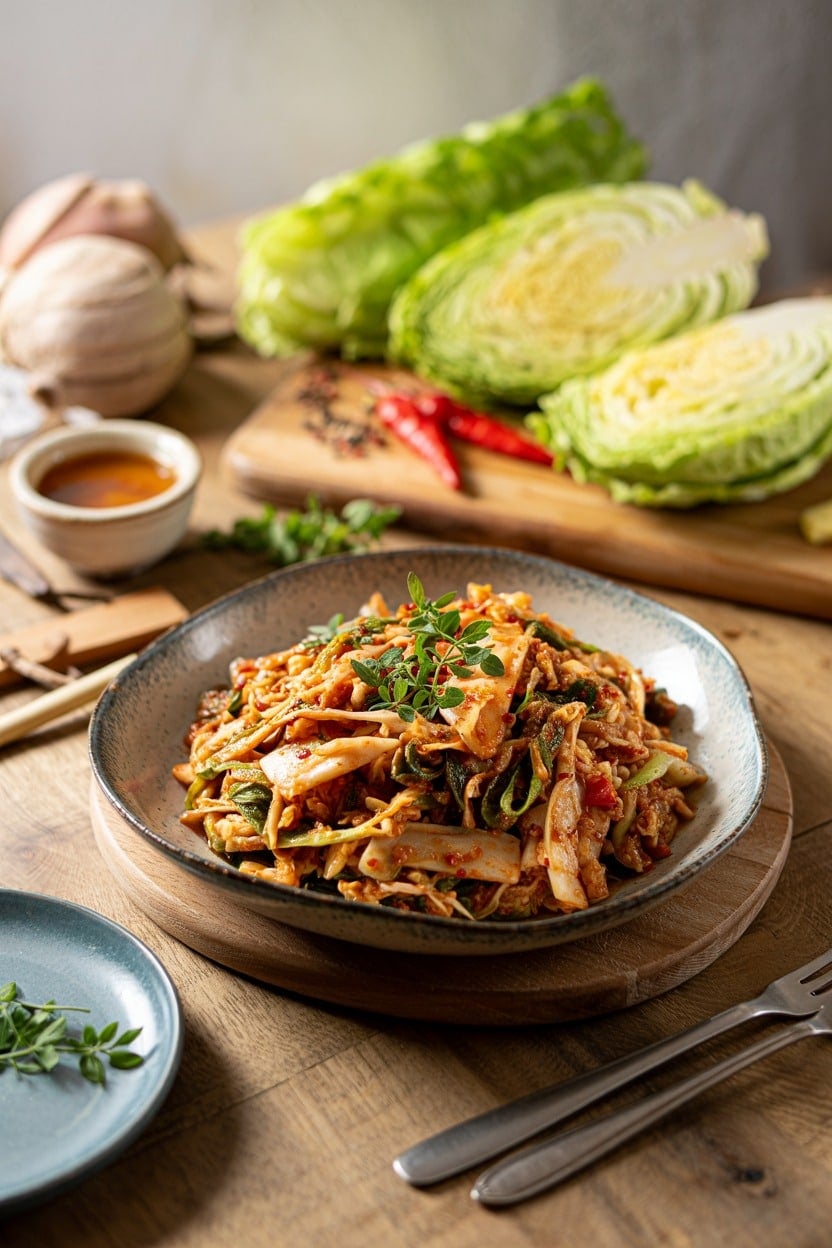
The flavor profile combines spicy, tangy, and umami notes with the natural sweetness of fresh napa cabbage. Garlic and ginger add warmth and pungency, while gochugaru brings the right level of heat and smokiness. These ingredients create a deeply satisfying dish with bright, balanced complexity.
What makes this salad stand out is its quick, no-fermentation preparation. It makes authentic kimchi flavor accessible at any time. This salad serves well as a colorful side or a comforting snack, offering a fresh, crunchy alternative to heavier fermented kimchi dishes.
Why This Kimchi Cabbage Salad Recipe Shines
This spicy kimchi cabbage salad delivers authentic taste with minimal prep and maximum satisfaction, using gochugaru (Korean red pepper flakes) for its characteristic heat and smokiness - for substitution ideas, see kimchi alternatives for authentic flavor.
- Quick and Easy to Prepare - Uses simple steps and common ingredients for fast assembly and immediate enjoyment.
- Balanced Bold Flavors - Blends spicy heat, savory umami, garlic warmth, and slight sweetness for depth and harmony.
- Crunchy, Refreshing Texture - Crisp napa cabbage (see shredded cabbage salad for crisp texture) remains firm and vibrant, providing contrast to the spicy dressing.
- Versatile and Crowd-Pleasing - Serves as a bright side dish or appetizer complementing various meals.
- Minimal Cleanup Required - No fermentation setup means less mess and easy portioning.
Essential Ingredients for Spicy Kimchi Cabbage Salad
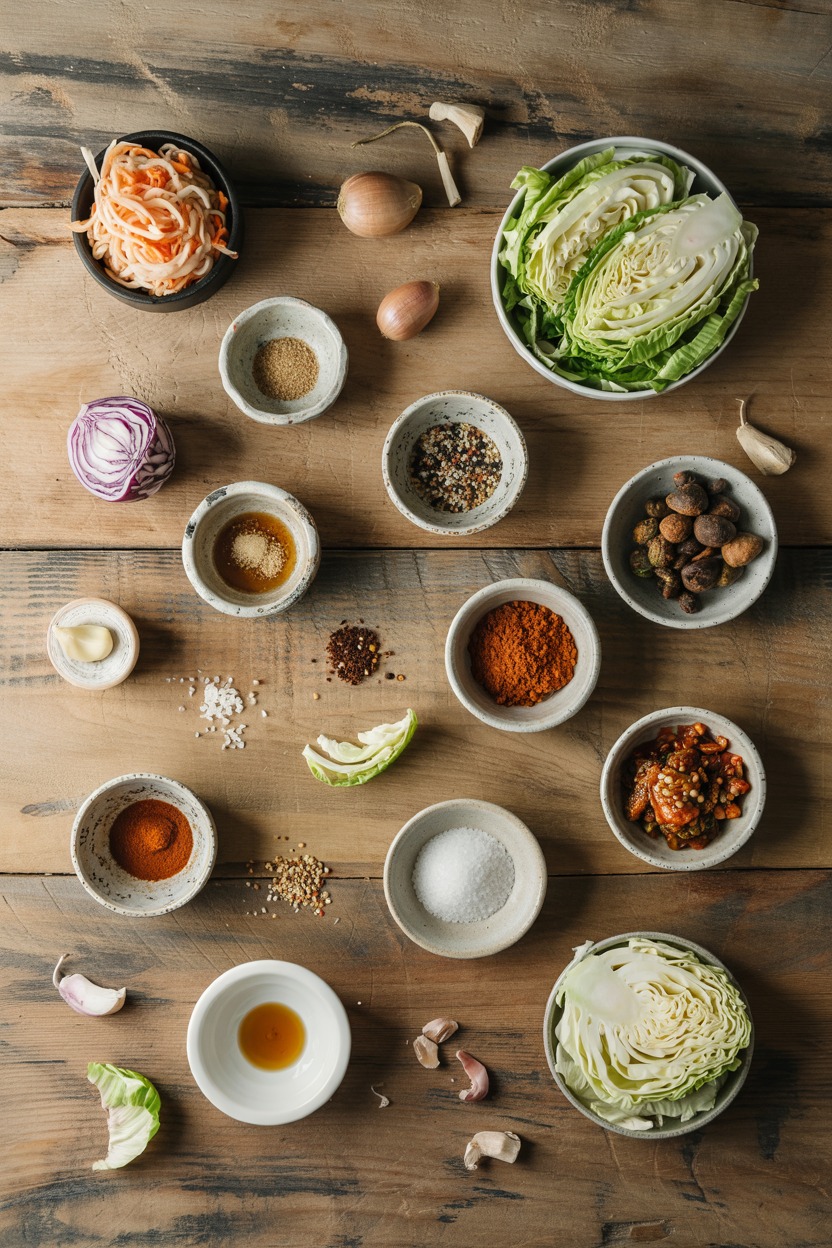
Creating an authentic kimchi-flavored salad is easy with pantry staples and fresh produce. These ingredients build vibrant flavor and texture layers.
- Napa Cabbage - Crunchy, mild base absorbs the spicy, savory dressing.
- Gochugaru (Korean Chili Flakes) - Adds smoky heat and vibrant red essential for kimchi flavor.
- Fish Sauce - Delivers umami depth and fermented complexity that elevate taste.
- Garlic and Fresh Ginger - Infuse pungent warmth and aromatic brightness.
- Scallions - Offer fresh, sharp notes and extra crunch.
- Sugar - Balances heat and acidity with subtle sweetness.
- Salt - Draws moisture from cabbage, maintaining crispness and enhancing flavor.
How to Make Spicy Kimchi Cabbage Salad at Home
Follow these straightforward steps to develop flavor and texture without fermentation, creating a vibrant, spicy dish full of depth and crunch.
- Salt the Cabbage - Chop napa cabbage and toss with salt to draw moisture. Let sit 20-30 minutes, then rinse and pat dry.
- Prepare the Spice Mixture - Combine gochugaru, fish sauce, sugar, minced garlic, and grated ginger in a bowl for even flavor distribution.
- Add Fresh Vegetables - Slice scallions and mix into seasoned cabbage for fresh, crisp contrast.
- Toss and Coat Evenly - Pour spice mixture over cabbage and scallions, mixing thoroughly.
- Chill Before Serving - Refrigerate at least 30 minutes to meld and intensify flavors. Serve cold.
Best Sides to Pair with Spicy Kimchi Cabbage Salad
This salad pairs well with light, fresh dishes complementing bold flavor and crunchy texture, a typical approach in Korean meals where banchan (small Korean side dishes) balance richer mains. Consider these options for balanced meals or spreads.
For a similar selection of approachable, crowd-pleasing options, see easy sides to elevate a burger meal.
- Steamed Jasmine or Brown Rice - Neutral base balancing bold heat.
- Grilled Korean BBQ Beef (Bulgogi) - Adds savory richness complementing tangy cabbage.
- Sesame Roasted Tofu - Plant-based protein with nutty flavors.
- Cucumber and Carrot Pickle Slaw - spicy pickled vegetable salad for bright acidity adds crunch and acidity.
- Miso Soup - Warm, umami-rich to soothe palate.
- Steamed Dumplings - Softness contrasts with salad crispness.
- Cold Noodle Salad - Refreshing texture alongside spicy cabbage.
How to Store and Reheat Spicy Kimchi Cabbage Salad Leftovers
Proper storage preserves texture and flavor for later enjoyment. Follow these steps for best results.
- Cool salad fully before transferring to airtight containers.
- Refrigerate and consume within 3 to 4 days.
- Avoid reheating; serve cold or room temperature to keep crunch.
- Freeze up to 2 months in airtight containers; expect texture changes.
- Toss gently before serving leftovers to redistribute liquid and freshen flavors.
Common Questions About This Recipe
Can I substitute fish sauce to make this vegetarian or vegan?
Replace fish sauce with soy sauce, tamari, or seaweed-based broth. These maintain umami depth and complement spicy, garlicky flavors.
How long should I salt the cabbage to avoid sogginess?
Salt for 20 to 30 minutes to draw excess moisture without over-softening. Rinse and pat dry to preserve crispness.
Can I prepare this kimchi salad in advance?
Yes. Prepare up to a day ahead and refrigerate to deepen flavors. Toss again before serving.
Is it possible to reduce the heat for a milder salad?
Reduce gochugaru amount or use milder chili flakes. Omit seeds from fresh chili or add sugar to balance heat.
How should I store the salad to keep it fresh and crunchy?
Store in a sealed container in the refrigerator. Avoid adding liquid during storage. Consume within 3 to 4 days and avoid reheating.
For a seafood-forward option with similar heat and bright acidity, see shrimp tacos salad with zesty spice. If you need a substitute for napa or savoy cabbage in other recipes, consult savoy cabbage alternatives for cooking.

Andrew Gray is a seasoned food writer and blogger with a wealth of experience in the restaurant and catering industries. With a passion for all things delicious, Andrew has honed his culinary expertise through his work as a personal chef and caterer.
His love for food led him to venture into food writing, where he has contributed to various online publications, sharing his knowledge and insights on the culinary world. As the proud owner of CooksCrafter.com, Andrew covers a wide range of topics, including recipes, restaurant reviews, product recommendations, and culinary tips.
Through his website, he aims to inspire and educate fellow food enthusiasts, offering a comprehensive resource for all things food-related.