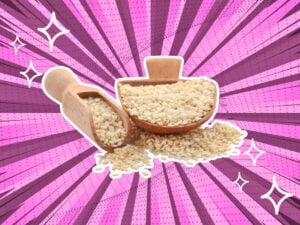
Tapioca flour, a superstar in gluten-free baking, often finds itself sitting on pantry shelves (a starch extracted from the cassava root, Manihot esculenta).
T4Yet, sometimes you reach for it, and the jar's empty.T5
? Nope.
We've scoured the shelves and tested the waters to bring you a list of the best alternatives.
Our kitchens became testing grounds for finding substitutes that keep your baking game strong. From arrowroot to cornstarch, we assessed them all on how well they perform in recipes.
Our findings? Some of these swaps might even make your recipes better.

7 Easy Substitutes for Tapioca Flour
| Substitute | Taste | Texture | Ratio | Suitable Dishes |
| Cornstarch | Neutral | Smooth | 1:1 | Thickening sauces, gravies, and soups |
| Arrowroot Powder | Neutral | Light | 1:1 | Baking, thickening sauces |
| Potato Starch | Neutral | Fine | 1:1 | Baking, thickening sauces |
| Rice Flour | Mild | Fine | 1:1 | Baking, thickening sauces |
| Cassava Flour | Neutral | Fine | 1:1 | Baking, thickening sauces |
| All-Purpose Flour | Neutral | Versatile | 1:1 | Baking, thickening sauces |
| Almond Flour | Nutty | Grainy | 1:1 | Baking, coating for frying |
1 - Cornstarch
Cornstarch is our go-to when tapioca flour bails on us (a starch extracted from maize, Zea mays).
T4We noticed it's smoother, blending easily, providing a silkier texture than tapioca. Plus, it's easily found in any grocery store, saving us a frantic search.
We use a simple 1:1 swap ratio, making our lives easier without recalculating every recipe. Baking cookies turned out lighter, and frying chicken got that crispy edge we all crave.
For those digging deeper into baking hacks, this guide on cornstarch alternatives might spark your interest, offering more ways to keep your pantry flexible.
2 - Arrowroot Powder
Arrowroot powder slides in as a slick swap for tapioca flour (a starch from the arrowroot plant, Maranta arundinacea).
Its power to thicken is as good as our usual go-to.
In every recipe, we stick with a simple 1:1 switch. This makes baking and cooking a breeze.
Arrowroot keeps sauces clear and shiny, unlike tapioca's occasional cloudiness. We've made gravies that glistened like they were made for the 'gram.
For those eager for more kitchen wisdom, find versatile alternatives in this resourceful guide on arrowroot powder and Kashmiri chili substitutes for bold spice blends.
3 - Potato Starch
Potato starch sneaks in as our next pick. It's a starch that keeps things light and fluffy (extracted from potato tubers, Solanum tuberosum).
Unlike tapioca, which can feel heavy, potato starch keeps it airy.
We stick to a 1:1 ratio in our recipes. This keeps cooking simple.
Potato starch is great for crispy coatings; for tools and technique alternatives see potato ricer substitutes for smoother mash.
In baking, expect a tender crumb. Cakes and breads benefit from its subtle touch.
4 - Rice Flour
Rice flour takes the lead (made from finely milled rice, Oryza sativa). It's lighter than tapioca, making baked goods more delicate in texture.
We swap it 1:1, keeping recipes straightforward.
Rice flour shines for its subtle flavor. It doesn't overpower dishes, keeping the original taste profiles intact.
Our cookies turned out wonderfully crisp. Plus, cakes were fluffier, winning our taste test.
For enthusiasts seeking variety, this insightful guide on alternative baking flours offers more options and brown rice syrup substitutes for sweet swaps.
5 - Cassava Flour
Cassava flour steps up as a rad swap for tapioca (made from whole cassava root, Manihot esculenta). It brings heaviness to the table, unlike the airy vibe of tapioca.
We keep it real with a 1:1 swap; for other texture-forward options see cassava flour substitutes for similar textures.
Cassava flour kicks in with a rustic feel. We noticed it adds a dense texture.
Our breads were heartier. They had a down-to-earth, fuller body.
This shift wasn't just cool-it was enlightening. Our pie crusts felt more grounded, literally.
6 - All-Purpose Flour
All-Purpose Flour steps in for tapioca like it's no big deal (a blend of hard and soft wheat flours, Triticum aestivum). We found it's a bit thicker, which means pies and pastries get that extra firmness.
It's the jack-of-all-trades in the kitchen; whether you're thickening sauces or whipping up bread, it's got you covered.
Just swap it 1:1 and keep your kitchen life easy. Unlike tapioca, casseroles stay in shape better, and you don't lose out on taste.
Cookies come out crunchier on the edges but stay soft in the middle. Our cakes went a notch higher, hitting that sweet spot just right.
For those of you who love to experiment, dive deeper into swapping baking essentials with our comprehensive guide to all-purpose flour alternatives and corn flour substitutes for baking uses.
7 - Almond Flour
The last substitute in our list, but certainly not the least, is almond flour. It makes for a great tapioca replacement with its finely ground texture and subtle nutty flavor (made from blanched almonds, Prunus dulcis).
We found that using a slightly lesser amount of almond flour than tapioca worked best in recipes (about ¾ the volume). This gave us just enough thickness without overpowering the dish.
Almond flour is also gluten-free, making it a great option for those with dietary restrictions. Plus, it adds some extra protein and healthy fats to your baking creations.
Frequently Asked Questions
Yes, cornstarch can replace tapioca flour for thickening sauces, though it may result in a slightly different texture.
Yes, arrowroot powder is a great substitute for tapioca flour in baking, offering a similar texture and gluten-free properties.
Yes, potato starch is an excellent substitute for tapioca flour in frying, creating a crispy texture.
Yes, rice flour can replace tapioca flour in most recipes, but it may create a denser texture.
Yes, cassava flour is a great one-to-one substitute for tapioca flour, as it comes from the same root and behaves similarly.

Andrew Gray is a seasoned food writer and blogger with a wealth of experience in the restaurant and catering industries. With a passion for all things delicious, Andrew has honed his culinary expertise through his work as a personal chef and caterer.
His love for food led him to venture into food writing, where he has contributed to various online publications, sharing his knowledge and insights on the culinary world. As the proud owner of CooksCrafter.com, Andrew covers a wide range of topics, including recipes, restaurant reviews, product recommendations, and culinary tips.
Through his website, he aims to inspire and educate fellow food enthusiasts, offering a comprehensive resource for all things food-related.