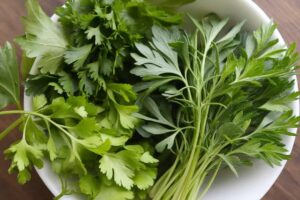
Falling short on tarragon? No worries!
In the vast range of herbs, tarragon (Artemisia dracunculus, a perennial in the Asteraceae family) holds a unique position, imparting a bittersweet anise flavor that's distinctly French.
But we're not packing our bags for Flavortown yet because as daunting as it might be to substitute a unique herb, the kitchen is the realm of creativity, and we're here to guide you through it.
Here, we'll take a trip through the pantry and show five of the best substitutes for tarragon that will leave your dishes full of flavor.

Key Takeaways:
- Tarragon has a unique bittersweet anise flavor that is commonly used in French cuisine.
- When substituting tarragon, consider the dish's overall flavor and choose a substitute accordingly.
- Basil, fennel, dill, marjoram, and oregano are five of the best substitutes for tarragon.
- Each substitute offers its unique flavor, from the light and refreshing dill to the bold and earthy oregano.
- Keep the ratio of substitution in mind when using these herbs to achieve the desired taste.
5 Must-Try Tarragon Substitutes
1. Basil
In the Italian kitchen, basil (Ocimum basilicum) reigns supreme. If tarragon is as complex as a mathematical theorem, basil is the straightforward answer.
With its versatility and widespread availability, basil (Thai basil alternatives for cooking) is a no-brainer as a tarragon substitute in dishes like chicken or fish.
For every 1 teaspoon of tarragon, you can swap in 1 teaspoon of chopped fresh basil or ½ teaspoon of dried basil if fresh isn't on hand. Basil is particularly strong when used with tomatoes, pasta, and in Mediterranean cuisine.
Trust me; it's a worthy understudy.
2. Fennel Fronds or Seeds
Fennel (Foeniculum vulgare) might as well be the sibling of tarragon in the botanical world. Its mild anise flavor has a hint of sweetness that beautifully mirrors tarragon's profile, making it one of the closest matches in taste and aroma.
Whether you use the delicate fronds or the pungent seeds, fennel can easily substitute tarragon in sauces like bearnaise or hollandaise. It's also a natural pairing with seafood and poultry dishes.
To substitute, use an equal amount of chopped fennel fronds for recipes that call for fresh tarragon; try fennel substitutes for cooking for related swaps.
3. Dill
For the moments when you need tarragon's subtle notes and dill's refreshing zest, you can count on dill to pull double duty. Its flavor, like a sunny morning in a meadow, is light, fresh, and with just a hint of fennel-like sweetness and mild citrusy notes.
Dill is most commonly used in pickling and seafood dishes, but it makes an excellent tarragon substitute for creamy sauces and dressings; try a lemony dill chicken soup recipe for inspiration.
Use dill in a 1:1 ratio for fresh tarragon and in a slightly higher amount for dried tarragon. It does wonders in cream-based dishes, on fish, and particularly in pickling to offer a touch of complexity.
4. Marjoram
If tarragon is the slightly aloof sophisticate at the party, then marjoram (Origanum majorana) is its warm, approachable friend. With a woodsy, citrusy flavor that doesn't overpower, marjoram can seamlessly integrate itself into dishes that call for tarragon.
Its versatility makes it a standout substitute in soups, stews, and casseroles.
Applying marjoram in a 1:1 ratio for fresh tarragon grants a slightly milder flavor to the dish, perfect for those who find tarragon's anise taste a bit intense. It's especially pleasant in bean and vegetable dishes, or when used to improve the flavor of lamb and poultry.
5. Oregano
Oregano (Origanum vulgare) may seem like a surprising choice due to its strong, sometimes pungent flavor, but it's precisely its boldness that can make it a suitable stand-in for tarragon, especially in heartier dishes. From stews to sauces, oregano has the power to improve a dish with its intense aroma and savory notes.
For one teaspoon of tarragon, you can use one teaspoon of fresh oregano or ½ teaspoon of dried oregano. It pairs particularly well with tomato-based dishes and meat, adding a strong, earthy undertone that contrasts with the subtleness of tarragon but does so admirably.
Frequently Asked Questions
Tarragon has a slightly sweet, licorice-like flavor with a hint of bitterness. Fennel fronds or seeds offer the closest match, while basil and marjoram provide a milder, herbaceous alternative.
French cuisine often uses tarragon in Béarnaise sauce and chicken dishes. If you need a replacement, fennel or marjoram closely mimic tarragon's anise-like aroma and work well in classic French recipes.
Dried tarragon is more concentrated and lacks the fresh, bright notes of its fresh counterpart. If you're looking for a fresh replacement, basil or dill can bring a more bright taste to your dish.
Basil or dill are excellent for salads as they provide a fresh and aromatic flavor similar to tarragon, improving the overall taste without overpowering delicate greens.
Oregano is more strong and slightly peppery compared to tarragon's mild, licorice-like taste. While it works as a substitute in Mediterranean dishes, it may not be ideal for delicate French cuisine.

Andrew Gray is a seasoned food writer and blogger with a wealth of experience in the restaurant and catering industries. With a passion for all things delicious, Andrew has honed his culinary expertise through his work as a personal chef and caterer.
His love for food led him to venture into food writing, where he has contributed to various online publications, sharing his knowledge and insights on the culinary world. As the proud owner of CooksCrafter.com, Andrew covers a wide range of topics, including recipes, restaurant reviews, product recommendations, and culinary tips.
Through his website, he aims to inspire and educate fellow food enthusiasts, offering a comprehensive resource for all things food-related.