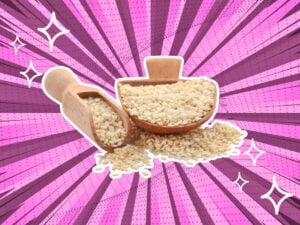
You're halfway through a recipe, and bam-you realize you're out of tigernut flour (a flour made from ground tiger nut tubers, traditionally used as a gluten-free, naturally sweet alternative).
But don't worry, we've got your back. Here's the lowdown on some killer substitutes that'll save your dish and maybe even taste better.T4
We've tried them, tested them, and lived through kitchen From almond flour to coconut flour, each option brings something unique to the table. We've got the best picks to keep your meals just as delicious.
Ready to jazz up your cooking? Let's find some tigernut flour alternatives that'll make your food sing!

5 Easy Substitutes for Tigernut Flour
As the name suggests, tigernut flour is made from ground tigernuts, which are small root vegetables. It's a popular choice for gluten-free and paleo diets because it's nut-free and grain-free.
But if you're out of luck in the pantry, try these simple substitutes:
1 - Almond Flour
First up, almond flour (Prunus dulcis) has a mild, slightly sweet taste. It's made from blanched almonds, so it adds a hint of nuttiness to anything we bake.
It's a bit heavier than tigernut flour, so it can make our recipes denser. This makes it perfect for brownies or dense bread.
One thing to note is the higher fat content, which adds extra moistness to our baked goods. Personally, we love swapping in almond flour for a richer texture.
2 - Coconut Flour
The coconut flour is our top choice. It's made from dried coconut meat (the dried white flesh of Cocos nucifera) and has a mild, naturally sweet flavor.
It's great in muffins and pancakes, and for coconut-based sauces see coconut milk swaps for curry.
This substitute requires more liquid in recipes.
A 1:4 ratio to tigernut flour works well. It gives a light, crumbly texture.
Try coconut flour in your next bake, and taste the difference!
3 - Cassava Flour
Another super solid swap is cassava flour. It's made from the whole root of the cassava plant (Manihot esculenta), so it's starchy with a mild, neutral taste.
We think it's perfect for recipes where we want the flavor to shine through.
The texture? It's light and powdery, which makes it a winner for baking.
We love that it works wonders in pancakes and tortillas. Use a 1:1 ratio with tigernut flour.
For more creative swaps, check out corn flour alternatives for baking.
Cassava flour absorbs a bit more liquid, so adjust accordingly. It really frees up our options, especially if we're out of other flours.
4 - Chickpea Flour
One word: versatile. We love how chickpea flour brings a nutty flavor to our recipes.
It's made from ground chickpeas (Cicer arietinum), so it's heartier than the other options.
It's great in flatbreads, fritters, and even cookies; similar swaps include rice flour swaps for baking.
Just remember, it absorbs less liquid than tigernut flour.
Use a 1:1 ratio and adjust your liquid accordingly.
5 - Sunflower Seed Meal
Last, we've got sunflower seed meal. It's our favorite for a nutty flavor burst.
Made from ground sunflower seeds (Helianthus annuus), the taste is earthy and slightly sweet.
It works well in everything from cookies to crackers and pairs with sunflower oil swaps for cooking.
It absorbs less moisture, so we adjust the liquid in recipes. Use a 1:1 ratio with tigernut flour.
We love its versatility in both sweet and savory dishes.
Frequently Asked Questions
Yes, almond flour is a great substitute, though it will result in a slightly denser texture compared to tigernut flour.
Coconut flour is more absorbent, so you'll need to use less of it and increase the liquid in the recipe to avoid dryness.
Cassava flour is an excellent gluten-free substitute that mimics the texture of tigernut flour without the nutty flavor.
Yes, chickpea flour can work well as a substitute for tigernut flour, providing a crispy texture when frying.
Sunflower seed meal can be used in a 1:1 ratio, though it may have a slightly earthier flavor and a denser texture.

Andrew Gray is a seasoned food writer and blogger with a wealth of experience in the restaurant and catering industries. With a passion for all things delicious, Andrew has honed his culinary expertise through his work as a personal chef and caterer.
His love for food led him to venture into food writing, where he has contributed to various online publications, sharing his knowledge and insights on the culinary world. As the proud owner of CooksCrafter.com, Andrew covers a wide range of topics, including recipes, restaurant reviews, product recommendations, and culinary tips.
Through his website, he aims to inspire and educate fellow food enthusiasts, offering a comprehensive resource for all things food-related.