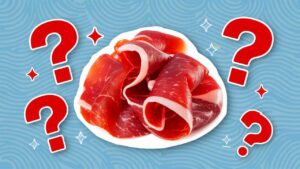
So, dried beef, a thinly sliced, salt-cured preserved beef often used as a snack or folded into creamed sauces. It's that salty, tasty snack, known for its savory, umami-rich flavor and long shelf life, that often flies under the radar but really deserves a shout-out.
We remember the first time we tried it-just munching on it during a road trip.
We loved how it packed a ton of flavor without much fuss. Dried beef is also super versatile, making it a fantastic addition to meals or a quick snack on its own.
You can toss it in salads, pile it on crackers, or add it to your favorite casseroles.
It's a total keeper when we're craving something different.
Whether you're cooking or simply snacking, we've got the lowdown right here!

What is Dried Beef?
Dried beef is that salty snack we didn't know we needed. It's often confused with beef jerky, but they're not the same.
Dried beef is usually thinner and has a softer texture, making it easier to chew without that chewy jerky struggle.
The rich saltiness gives it a distinct flavor that's hard to ignore. We can find it in various dishes, or just munch on it straight from the pack during movie marathons.
The beauty of dried beef lies in its versatility; it easily enhances salads or blends into casseroles like a champ.
When Did Dried Beef Become Popular?
Dried beef has some pretty interesting roots, rooted in traditional salt-curing and air-drying preservation techniques used in Europe and North America. It first made waves during World War I (1914-1918).
Soldiers needed something that could last and keep them fueled.
That's when dried beef hit the scene as part of military rations. It was easy to store and lasted a long time, making it perfect for the troops.
One classic dish from this time is the "S.O.S" - a simple mixture of creamed dried beef over toast, a comfort-food style that also appears in modern recipes like creamy pasta with sun-dried tomatoes.
It's a nostalgic meal for many veterans, bringing back memories of the mess hall. Over the years, dried beef found its way into home kitchens, transitioning from the battlefield to our tables.
It's now often enjoyed in salads or simply snacked on, showing how versatile this old-school meat can be.
For easy swaps when a recipe calls for a premium roast, consider beef tenderloin alternatives for special dinners.
Why Was Dried Beef Used in Military Meals?
Dried beef slid into military meals for some smart reasons. Soldiers needed food that wouldn't spoil easily, and dried beef was the answer.
This salty snack was lightweight and packed a lot of protein (about 10 grams per ounce), similar in protein density to modern beef jerky, making it an efficient energy source. It could sit around for ages without going bad, making it a perfect fit for those who were always on the move.
It was about keeping troops well-fed without the fuss of refrigeration. The versatility meant it could fit into various recipes or be munched on straight from the pack.
Dried beef could mix into sauces or just be slathered on toast. It kept up with the demands of the battlefield and became a staple for many.
Decades later, we still enjoy it for its convenience and flavour.
For preserved-meat recipe swaps, consider corned beef alternatives for hearty sandwiches.
How is Dried Beef Used Today?
We often find it in creamy sauces, sun-dried tomato quinoa salads for light sides, or baked casseroles.
One of our favorites is the classic dried beef cheese ball.
This dish is a hit at parties and a staple in Midwestern cuisine, commonly found at potlucks and holiday gatherings. Mix some cream cheese with chopped dried beef, add in a few spices, and you've got a party-ready snack.
It's quick to whip up and a total crowd-pleaser.
Another classic is creamed dried beef, which we often serve over toast for a comforting meal. It's simple, filling, and perfect for using up that extra dried beef. this flexible protein, concentrated by salt-curing and thin slicing, adds a salty kick, making dishes memorable.
Dried beef blends well with a variety of recipes, keeping things easy and delicious. It holds a special spot on our snack shelf and dinner table.
For an elegant roast night, pair dried beef with roasted root vegetables, a buttery potato gratin, or other rich sides; see beef tenderloin side dishes for roast dinners for matching ideas. If you're serving Asian-style dried beef dishes, offer kimchi, steamed rice, and lightly pickled vegetables - explore bulgogi beef side dishes for Korean meals for complementary pairings.
For fat swaps in cooking or baking, consider beef tallow alternatives for baking.

Andrew Gray is a seasoned food writer and blogger with a wealth of experience in the restaurant and catering industries. With a passion for all things delicious, Andrew has honed his culinary expertise through his work as a personal chef and caterer.
His love for food led him to venture into food writing, where he has contributed to various online publications, sharing his knowledge and insights on the culinary world. As the proud owner of CooksCrafter.com, Andrew covers a wide range of topics, including recipes, restaurant reviews, product recommendations, and culinary tips.
Through his website, he aims to inspire and educate fellow food enthusiasts, offering a comprehensive resource for all things food-related.