
If you're searching for a delicious and heart-healthy dish that's a breeze to prepare, New England Baked Haddock, a cold-water Atlantic whitefish preparation prized for its mild, flaky flesh, might just be your answer. It's a classic New England baked white-fish entrée, featuring mild, flaky haddock topped with a buttery crumb or breadcrumb coating.
Known for its simplicity and fresh flavors, this classic New England dish satisfies both the cravings of a food enthusiast and the dietary needs of the health-conscious eater.
In this comprehensive guide, we'll explore the nuances of the New England Baked Haddock recipe - from selecting the freshest ingredients to crafting a plate that's both a feast for the eyes and the soul.
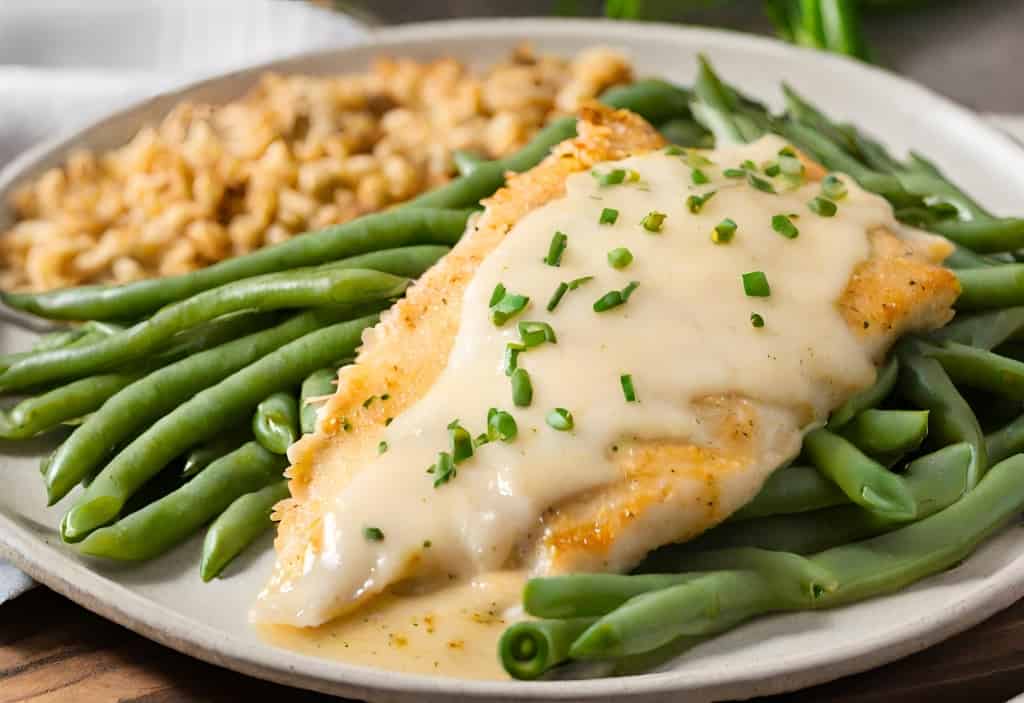
🙋♀️ Ritz Crackers vs. Breadcrumbs: The Baking Dilemma
Before we head into the kitchen, it's important to address the hallmark debate that often surrounds this recipe - should you use Ritz crackers or breadcrumbs to coat your haddock, a common choice in New England seafood recipes?
Traditionalists might argue that nothing beats the buttery, flaky layers of Ritz crackers, while others prefer the more standard, light crispiness breadcrumbs offer. Ritz crackers were first marketed by Nabisco in 1934 and bring a distinctly buttery, nostalgic crunch. Both have their loyal followers, but you're encouraged to choose based on your palate and dietary preferences.
Here's a balanced take:
- Ritz Crackers: Their buttery taste adds a nice richness to the fish, making it slightly more indulgent. However, they are higher in saturated fat and sodium, which could be a concern for those watching their intake.
- Breadcrumbs: Panko breadcrumbs, specifically, give a lovely lightness to the fish's texture, a Japanese-style crumb with airy, irregular flakes that crisp quickly.
Whichever you decide, the essence of the dish - paired with simple finishing treats like one-bowl dessert recipes for easy cleanup.
For leavening options in coatings, consider baking powder alternatives for crisp coatings.
🍳 Ingredients You'll Need
Here are the ingredients you'll need to create this signature dish:
- Fresh haddock fillets
- Unsalted butter, melted
- Fresh lemon juice
- Crushed Ritz crackers or panko breadcrumbs
- Fresh parsley, finely chopped
- Salt and pepper to taste
- Paprika for a hint of warmth (optional)
Substitutes for Haddock if Unavailable
In that case, you can easily substitute it with equally delicious white fish options like cod, halibut, or tilapia, with cod offering the most similar flaky texture and mild flavor - and for complementary recipe ideas see white fish swaps for flaky baked dinners.
Each alternative has its unique flavor, which can add a new dimension to the dish based on your cooking exploration. Be sure to adjust cooking times slightly, as thinner or thicker cuts of fish will require varying periods in the oven - thinner fillets may take 10-12 minutes while thicker cuts can need 18-20 minutes at 350°F (175°C).
If you're avoiding butter in the crumb mix, consider butter substitutes for richer coatings.
👨🍳 Preparation Steps for Baked Haddock Bliss

Step 1: Preparation is Key
Preheat your oven to 350°F (175°C) and lightly grease a baking dish. This moderate temperature is ideal for gently cooking delicate white fish like haddock without drying it out.
Take this opportunity to pat dry the haddock fillets and season them with a sprinkle of salt and pepper, which helps the coating adhere.
Step 2: Create the Coating
In a bowl, combine the melted butter, lemon juice, parsley, and your choice of breading. (Clarified butter works well here to reduce excess browning by removing milk solids while keeping the coating rich.) Mix until you have a moist, crumbly texture that clumps together.
Step 3: The Coat and the Crisp
Dip each haddock fillet into the buttery mixture, making sure it's fully coated. Press the crumb mixture gently onto the fillet so it adheres during baking for an even crust. Place the fillets in the baking dish and top them with any remaining crumb mixture.
For a touch of color, dust the top with paprika-sweet or smoked-for a hint of warmth before it heads into the oven.
Step 4: Time to Bake
Serve alongside comforting bakes like loaded mac and cheese bake or a creamy tuna noodle bake for hearty sides.
Be cautious not to overcook, as this can result in dryness; the FDA recommends fish be cooked to 145°F (63°C).
Nutritional Goldmine of Haddock
Haddock is a nutritional powerhouse, offering a lean source of protein and a wide array of essential nutrients. It's rich in phosphorous, which supports bone health, and a host of B vitamins that are integral to energy production and overall well-being.
Due to its low mercury content, haddock is considered a safe and sustainable choice, making it a go-to option for those mindful of their environmental impact.
🍽️ Serving Suggestions to improve Your Haddock Experience

To go with the delicate flavor of the haddock, consider serving it with:
- A side of bright green vegetables, like steamed asparagus or a fresh garden salad, to add a pop of color and nutrients to your meal.
- A portion of quinoa or wild rice for a wholesome and satisfying accompaniment that rounds out the dish's healthfulness, with quinoa providing a complete plant protein.
- A tangy tartar sauce or a zesty salsa to provide different textures and levels of taste that meld with the haddock's firm, flaky texture.
The beauty of the New England Baked Haddock recipe lies in its simplicity. A golden-baked fillet glistening with a buttery crust is a sight to behold.
To add a touch of elegance, consider serving on a simple, white dinner plate with a wedge of fresh lemon.
The contrast allows the brilliant white and golden hues of the dish to stand out, creating a visually appealing masterpiece that's as tasty as it is beautiful.
If you're curious about other whitefish options, see haddock substitutes to explore new flavors.
Enhancing Flavors in New England Baked Haddock
New England Baked Haddock isn't just a meal; it's an experience - a nice combination of flavors that resonate with comfort and health, with bright lemon and parsley notes and a buttery crust.
Both a star on its own and versatile to be paired with many sides, this recipe celebrates the harmony between taste and well-being.
For those looking to blend passion for food with mindful dietary choices, New England Baked Haddock shows that you can indeed have your cake - or in this case, haddock - and eat it too.
Its ease of preparation, availability of ingredients, and health benefits make it a no-brainer for your next culinary expedition.
For a subtle kick in the crumb, explore New Mexico chile substitutes for mild heat.

New England Baked Haddock
Ingredients
- 4 fresh haddock fillets
- ¼ cup unsalted butter melted
- Juice from 1 lemon
- ½ cup crushed Ritz crackers or panko breadcrumbs
- 2 tablespoons fresh parsley finely chopped
- Salt and pepper to taste
- Optional: 1 teaspoon paprika for a hint of warmth
Instructions
- Preheat the oven to 350°F (175°C) and lightly grease a baking dish.
- Pat dry the haddock fillets and season them with salt and pepper.
- In a bowl, mix together the melted butter, lemon juice, parsley, and breadcrumbs until a moist and crumbly texture forms.
- Dip each haddock fillet into the mixture, coating it evenly.
- Place the coated fillets in the baking dish and top with any remaining crumb mixture. Sprinkle with paprika for additional color if desired.
- Bake for 15-20 minutes until the fish is flaky and the internal temperature reaches 145°F (63°C).
- Serve with your choice of sides, such as steamed vegetables and quinoa or wild rice.
Notes
- For a gluten-free option, use gluten-free breadcrumbs or crushed cornflakes instead of Ritz crackers.
- Thicker fillets may require a longer cooking time, while thinner fillets may cook faster, so adjust accordingly.
- To check for doneness, the fish should easily flake with a fork and have an internal temperature of 145°F (63°C). Avoid overcooking, as this can result in dryness. End of Section
- For added freshness, squeeze a bit of lemon juice over the fillets before serving.
Nutrition
Classic baked dishes pair well with simple vegetable sides that balance richness and texture, for example baked ziti side dishes for balance. Similarly, lighter, citrus-forward sides pair nicely with baked fish and can be found in the curated list for baked salmon: baked salmon side dishes for citrus pairings.

Andrew Gray is a seasoned food writer and blogger with a wealth of experience in the restaurant and catering industries. With a passion for all things delicious, Andrew has honed his culinary expertise through his work as a personal chef and caterer.
His love for food led him to venture into food writing, where he has contributed to various online publications, sharing his knowledge and insights on the culinary world. As the proud owner of CooksCrafter.com, Andrew covers a wide range of topics, including recipes, restaurant reviews, product recommendations, and culinary tips.
Through his website, he aims to inspire and educate fellow food enthusiasts, offering a comprehensive resource for all things food-related.