Now, we're all looking for that magic in our baking, yet realizing not all flour plays the same tune in our recipes.
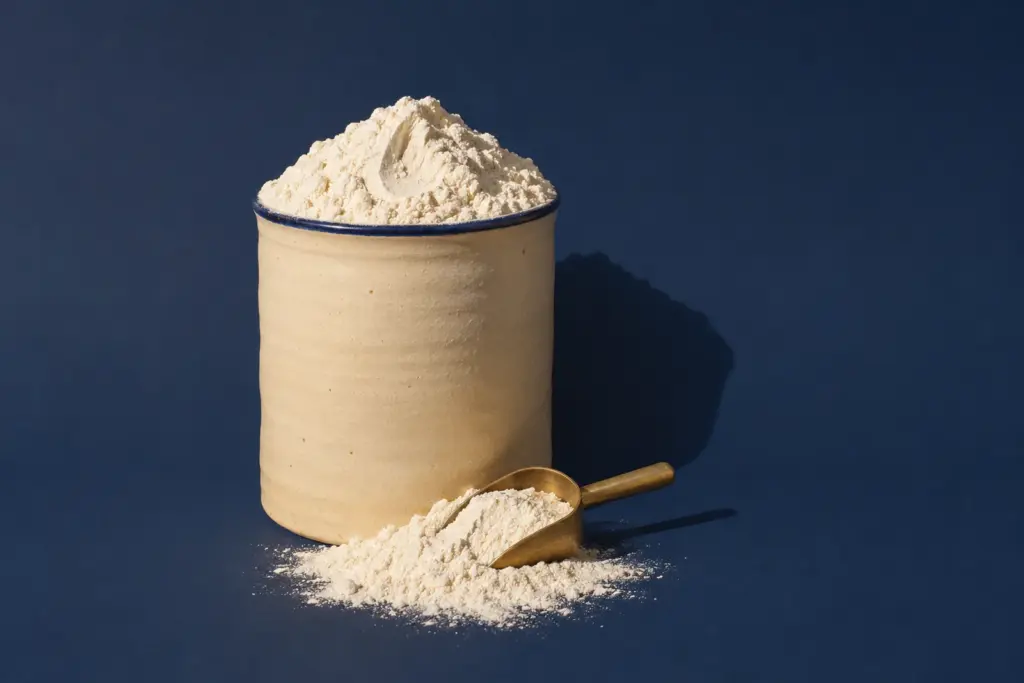
Finding the right substitute for all-purpose flour (a blend of hard and soft wheat flours used for general baking) has turned us into kitchen detectives.
This stat sent us searching for the best substitutes to keep our baked goods on point.
Each option affects texture and flavor differently, so the right pick depends on what you are baking.
7 Easy Substitutes for All-Purpose Flour
As we explore flour substitutes, know that they each have unique qualities. Some are gluten-free and better for certain diets, while others may change the flavor of your dish.
But don't let that limit you-mix and match to find what works best for your palate. Here are our top seven all-purpose flour substitutes:
1 - Almond Flour
Almond flour rocks for those into gluten-free goodies. It's just ground almonds (Prunus dulcis), after all.
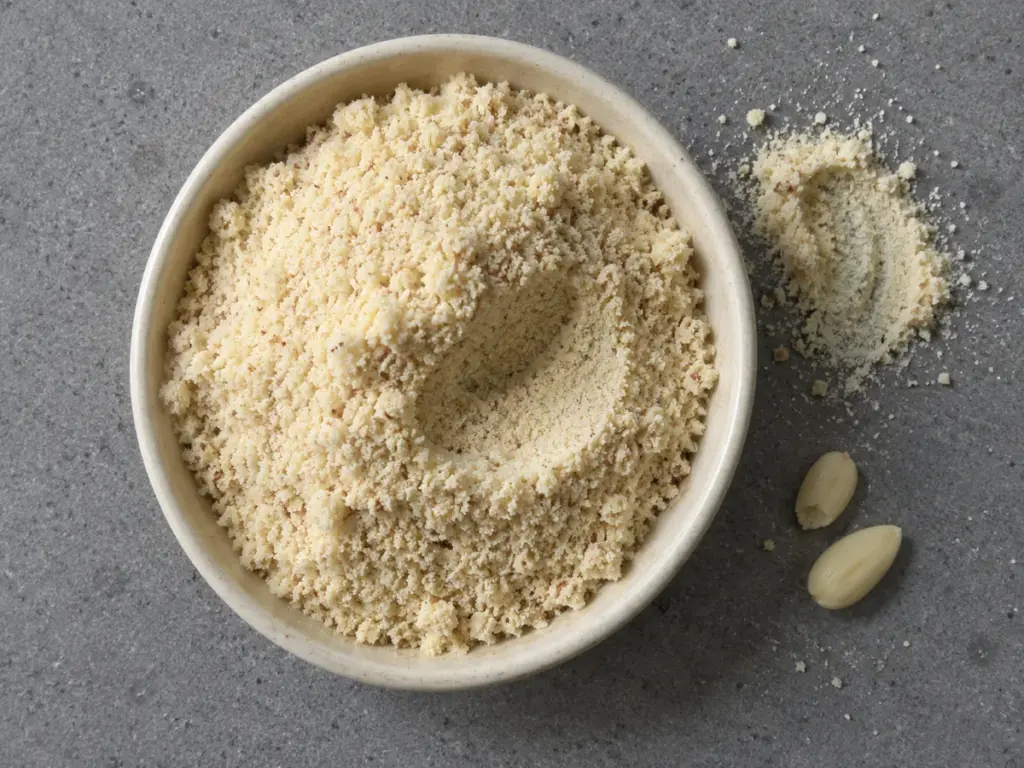
Replace only about a quarter of the flour with almond flour, not all of it, because it has no gluten (King Arthur Baking).
Muffins also brown more and rise less than the all-purpose versions.
Cookies and scones may spread more.
Almond flour is high in fat, which keeps bakes moist.
It is a partial swap rather than a cup-for-cup one, so keep the rest of the flour in the recipe.
2 - Coconut Flour
Coconut flour is seriously absorbent (it can absorb roughly 3-4 times its weight in liquid). Because it soaks up moisture like a sponge, it never swaps cup for cup.
There is no cup-for-cup swap for all-purpose flour (King Arthur Baking), so save coconut flour for recipes written for it.
Expect a denser texture. Flavor?
Slightly sweet, hinting at coconut.
It's best to add more liquid to your mix, which keeps baked goods from drying out.
3 - Oat Flour
Oat flour is the ultimate swap for a heartier feel in baked goods (rich in beta-glucan soluble fiber). It adds a pleasant chewiness.
No source gives a cup-for-cup ratio for oat flour, and it has no gluten, so bake a recipe written for oat flour instead of swapping it into a wheat recipe.
It suits pancakes and cakes written for it.
Not all flours make your treats feel like a hug-oat flour does.
4 - Rice Flour
Rice flour gives a light, not heavy texture (made from finely milled white or brown rice). We noticed it's fantastic for crisp cookies.
Used it 1:1 instead of all-purpose.
It doesn't absorb moisture like coconut flour does, making it a steady player for frying batter. Our fried chicken was crunchier than ever.
Personal trial: It lacked that gluten stretch, so we had to tweak recipes a bit.
5 - Barley Flour
Swapped barley flour 1:1 for all-purpose in bread; for other grain options see barley substitutes for baking.
Barley made our bread denser, with a pleasing texture. It's good for those seeking a fuller feel without going heavy.
Bread rises nicely, though not as much as with white flour. Keep expectations adjusted.
Barley's got fiber (notably beta-glucan soluble fiber), adding a health kick to our usual recipes. We liked the change, made baking feel a bit more wholesome.
Folded it into cookies, turned out crisp with a hint of sweetness. Surprisingly adaptable.
Personal note: Great for those looking to switch things up a bit.
6 - Buckwheat Flour
Buckwheat flour gives a filling vibe, not like the all-purpose blank slate (with an earthy, nutty taste). We noticed it adds a nutty touch.
Swapped it in pancakes, 1:1.
It made them more filling. Breakfast felt upgraded.
Found the batter a tad thicker. We had to tweak the milk amount.
Buckwheat isn't just a swap. It changes your baking game with its unique taste.
We're all about trying it in different recipes. Always surprises us.
7 - Chickpea Flour
Chickpea flour swaps 1:1 for all-purpose (made from ground chickpeas, Cicer arietinum). It brings a slightly earthy flavor to our dishes, different from the usual.
In flatbreads, the result is more hearty.
This flour adds a dense texture.
For those who want to play around with this too, chickpea flour brings a new twist to traditional recipes.
Frequently Asked Questions
Only part of it. Almond flour has no gluten, so replace about a quarter of the all-purpose flour (King Arthur Baking) and expect a nuttier flavor and less rise.
Not cup for cup. Coconut flour is highly absorbent, so use it only in a recipe written for it, which sets the liquid for you.
Only in a recipe written for oat flour. No source gives a cup-for-cup ratio for oat flour, and it has no gluten, so it does not replace wheat flour 1:1.
Yes, rice flour is a great alternative, especially in gluten-free recipes, but it may produce a slightly gritty texture.
Yes, chickpea flour can replace all-purpose flour in savory dishes, offering a protein-rich and nutty flavor.

Andrew Gray is a seasoned food writer and blogger with a wealth of experience in the restaurant and catering industries. With a passion for all things delicious, Andrew has honed his culinary expertise through his work as a personal chef and caterer.
His love for food led him to venture into food writing, where he has contributed to various online publications, sharing his knowledge and insights on the culinary world. As the proud owner of CooksCrafter.com, Andrew covers a wide range of topics, including recipes, restaurant reviews, product recommendations, and culinary tips.
Through his website, he aims to inspire and educate fellow food enthusiasts, offering a comprehensive resource for all things food-related.