Short Answer
Flour substitutes for baking work best when they are another wheat flour: bread flour and self-rising flour swap 1:1 for all-purpose flour, and whole wheat flour replaces half the flour at first.
- Use bread flour 1:1 in cookies, or self-rising flour 1:1 after you leave out the recipe's baking powder and salt.
- King Arthur's Measure for Measure, a gluten-free 1:1 blend, replaces all-purpose flour cup for cup in non-yeast bakes, but almond flour replaces only about a quarter of the flour.
- Coconut flour never swaps 1:1, so save it for recipes written for it.
- To thicken a sauce, use ½ tablespoon of cornstarch for each tablespoon of flour.
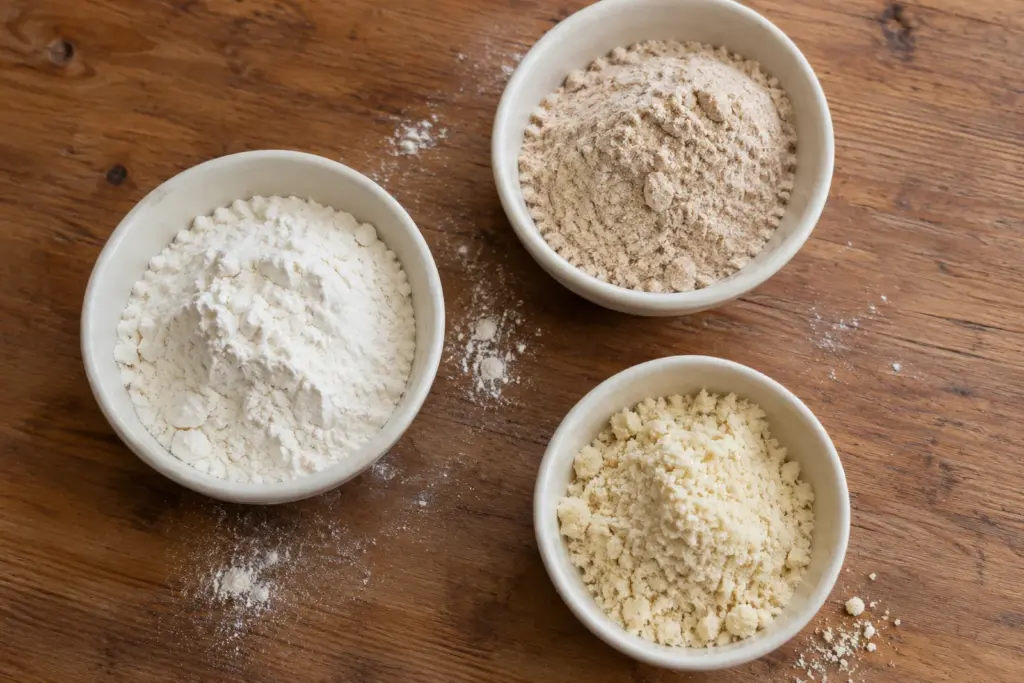
Cookies forgive more than quick breads and cakes do, and a sauce only needs a starch. What separates a good swap from a flat or crumbly bake is gluten, the protein network that holds wheat flour together, and it is the first thing to check in any flour and baking swap. Every amount here replaces all-purpose flour, so a recipe that starts with another flour needs that flour's own page.
1 What Does Flour Do in a Recipe?
Gluten is the protein structure in wheat flour that lets a bake rise. When almond flour replaces all-purpose flour, some of that structure is lost, and muffins and cakes rise less than the all-purpose versions.
How much gluten a flour can build depends on its protein. King Arthur's own flours run from 10% protein in cake flour to 11.7% in all-purpose, 12.7% in bread flour and about 8.5% in self-rising flour, and other brands differ. In a cookie test, more protein meant chewier and less protein meant more tender.
Flour also soaks up liquid, and flours differ there too. Coconut flour absorbs far more liquid than wheat flour and self-rising flour absorbs less, so some swaps change the liquid as well as the flour.
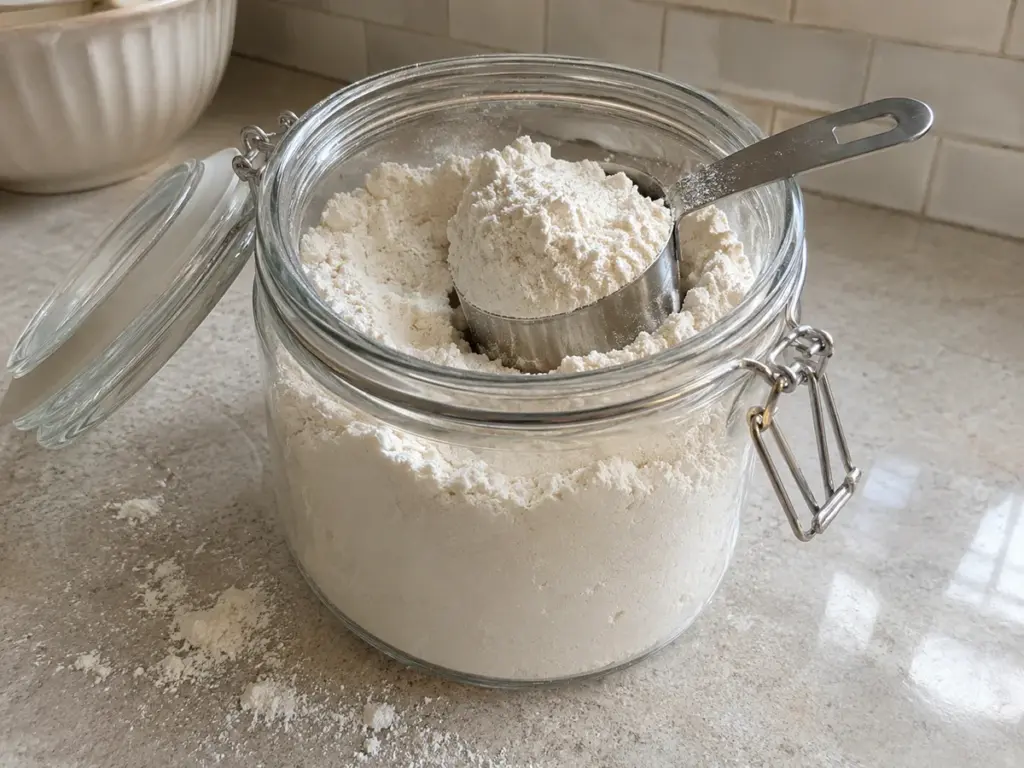
2 Best Substitutes for Flour in Baking
These amounts replace 1 cup of all-purpose flour and come from the sources listed at the end, including Colorado State Extension. A flour with no cup-for-cup amount, such as coconut flour, is marked that way.
| Substitute | Amount | Best for | What changes |
|---|---|---|---|
| Bread flour | 1 cup | Cookies and other chewy bakes | Chewier. Add 1 to 2 teaspoons of liquid per cup if the dough is dry. |
| Self-rising flour | 1 cup | Pancakes, biscuits, scones, cake, muffins | Leave out the baking powder and salt, keep any baking soda and hold back a few tablespoons of liquid. |
| Whole wheat flour | Half the flour at first, then 1 cup minus 1 tablespoon for a full swap | Oatmeal cookies, banana bread, bran muffins | Darker color, and a quick bread softens after resting overnight. |
| Cake flour | 1 cup plus 2 tablespoons | Cakes | Less protein and less structure, and a 1:1 swap can sink cakes and bars. |
| King Arthur Measure for Measure (gluten-free 1:1 blend) | 1 cup | Cookies, brownies, cakes, muffins, pancakes | Non-yeast recipes only. Other brands follow their own package directions. |
| Almond flour | About a quarter of the flour | Cookies, scones, cakes, biscuits, muffins | No gluten, so less rise, and muffins brown more. Cookies and scones may spread more. |
| Coconut flour | No cup-for-cup swap | Recipes written for it | Absorbs far more liquid than wheat flour. |
Bread flour, self-rising flour and whole wheat flour keep their gluten, so they sit near a straight swap. Every gluten-free option follows a rule of its own, and cake flour is the wheat exception because its lower protein leaves less structure.
3 How Much Does a Cup of Each Flour Weigh?
A cup of all-purpose flour weighs 120 grams on King Arthur's ingredient weight chart, but a cup of other flours runs from 85 grams of chickpea flour to 152 grams of potato starch.
| Flour | Grams per cup |
|---|---|
| Chickpea flour | 85 |
| Oat flour | 92 |
| Almond flour | 96 |
| Pastry flour | 106 |
| Whole wheat flour | 113 |
| Tapioca starch | 113 |
| All-purpose flour | 120 |
| Bread flour | 120 |
| Coconut flour | 128 |
| White rice flour | 142 |
| Potato starch | 152 |
Bread flour weighs the same 120 grams per cup as all-purpose, so a 1:1 swap holds whether you weigh or scoop. Almond flour at 96 grams and whole wheat at 113 grams do not, which is why each needs its own rule. When a recipe gives grams, weigh the flour instead of converting cups between flours.
None of the sources here gives a ratio for oat flour, so if oats are all you have, the 92 grams per cup is only useful for weighing a recipe written for oat flour, not for replacing wheat.
4 What Can You Use for Flour in Cookies?
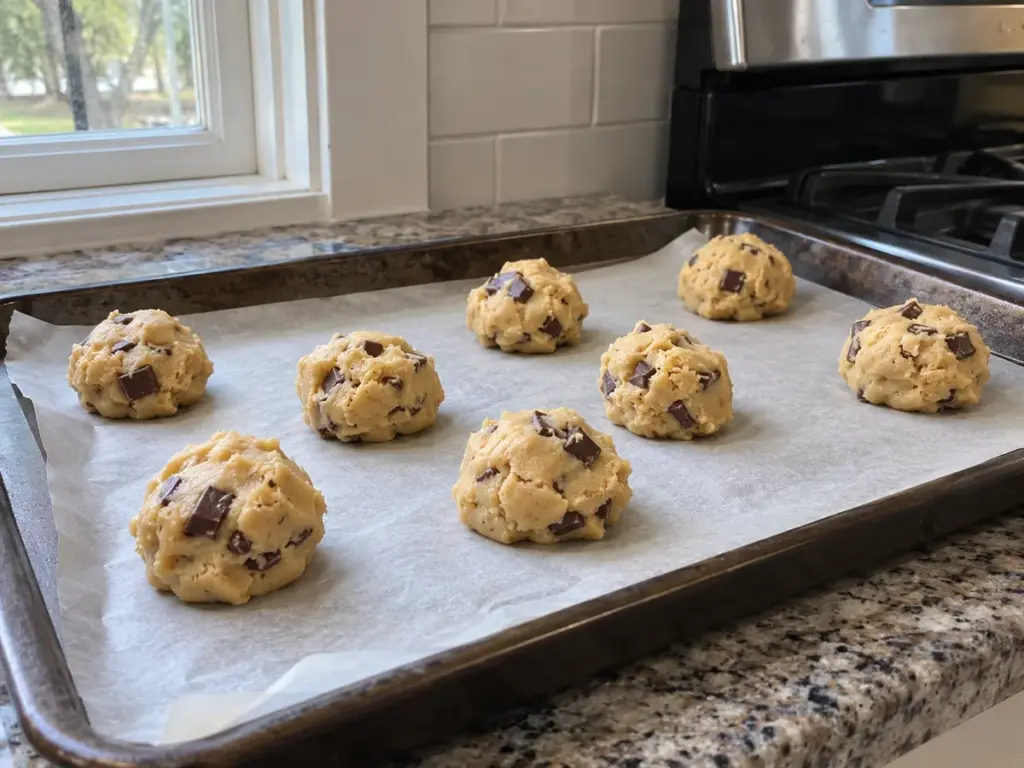
Bread flour is the wheat swap to try first when you bake cookies, because it goes in 1:1 for all-purpose flour and gives bendier, chewier chocolate chip cookies. If your dough looks dry, add 1 to 2 teaspoons of liquid per cup of flour.
Chewy, hearty and gluten-free cookies each point to a different flour:
- Bread flour at 1:1 gives the chewier cookie.
- Whole wheat flour suits hearty doughs such as oatmeal cookies, and a cookie recipe that already chills its dough before scooping takes about 2 teaspoons of extra liquid per cup of whole wheat.
- King Arthur's Measure for Measure replaces all of the flour in cookies and brownies.
- Almond flour replaces about a quarter of the flour, because the cookie still needs wheat gluten to hold together, and the cookies may spread more.
If almond or coconut flour is all you have, bake a cookie written for it, like gluten-free cookies built on almond flour, because those recipes balance fat and liquid for that flour from the first step.
5 What Works in Quick Breads and Muffins?
Self-rising flour is the simplest wheat swap here, because the baking powder and salt are already in it. It suits pancakes, biscuits, scones, cake and muffins, and the swap takes three changes.
- Leave out the leavening. Skip the baking powder and salt the recipe lists.
- Keep the baking soda. If the recipe calls for it, leave it in, because it helps the batter rise and brown.
- Hold back liquid. Self-rising flour absorbs less, so start a few tablespoons short and add them back until the batter looks right.
A recipe written for self-rising flour has its leavening counted inside the flour, so with only plain flour in the pantry you add the baking powder and salt yourself when you make self-rising flour from plain flour.
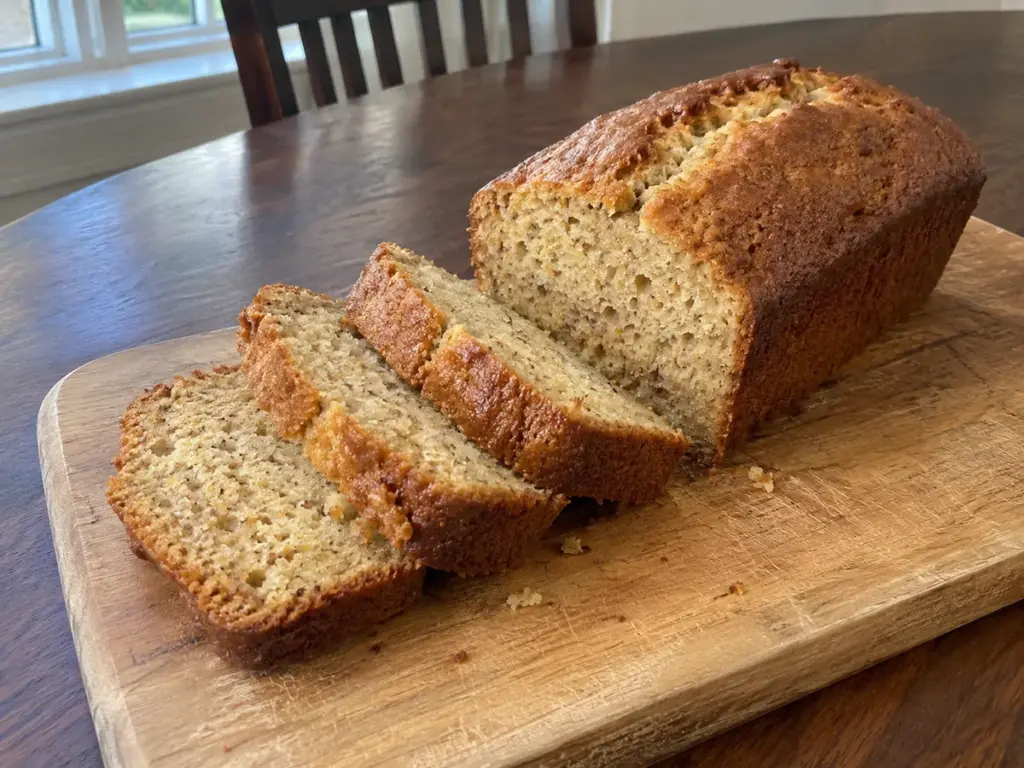
Whole wheat flour takes more care. If you are hesitant, start with half the all-purpose flour replaced; King Arthur's lemon and banana loaves are the examples, and a baked loaf that rests overnight softens the bran.
For a full swap, Colorado State Extension says to use 1 cup minus 1 tablespoon of whole wheat flour for each cup of all-purpose. A recipe built for the whole grain, such as whole wheat drop biscuits with 2 cups of whole wheat flour and no all-purpose, skips the guesswork.
Golden whole wheat, which is milder and lighter in color than red whole wheat, is the gentler first try. When almond or oat flour is what you have, bake a quick bread written for it, such as a gluten-free almond flour bread, because almond flour alone cannot replace the gluten a wheat loaf relies on.
6 What Works in Cakes?
Cake flour has less protein than all-purpose, 10% against 11.7%, and Colorado State Extension swaps it in at 1 cup plus 2 tablespoons per cup of all-purpose flour. King Arthur's Molly Marzalek-Kelly warns that cake flour put 1:1 into a recipe built for all-purpose may give a sunken cake or bars.
Three other swaps work in a cake:
- Self-rising flour goes in at 1:1 with the baking powder and salt left out.
- White whole wheat can replace up to 50% of the all-purpose flour in a light cake such as yellow cake, though it darkens the color slightly.
- Measure for Measure is what you reach for when the cake has to be gluten-free.
A cake that never uses wheat flour needs no swap at all, such as a flourless chocolate almond cake made with almond meal. Almond flour in a wheat cake costs rise, because it has no gluten.
7 Can You Use Gluten-Free Flour Instead?
A gluten-free 1:1 blend is a product rule, so it holds for the brand that states it. King Arthur sells its Measure for Measure blend as a 1:1 swap for muffins, cookies, cakes, brownies, pancakes and other non-yeasted recipes, and another brand's blend follows the directions on its own package. For yeast bread you need a different product, because gluten-free baking with yeast is trickier.
For bread, King Arthur's Gluten-Free Bread Flour swaps 1:1 for all-purpose or bread flour and needs 2 to 3 tablespoons more liquid per cup to start.
Almond and coconut flour are single-ingredient flours rather than blends, and neither replaces wheat cup for cup. Coconut flour needs a recipe formulated for it, because it absorbs a ton more liquid than regular wheat flour.
8 How Do You Thicken a Sauce Without Flour?
You replace flour with cornstarch at half the amount of flour. Colorado State Extension swaps ½ tablespoon of cornstarch, potato starch, rice starch or arrowroot for each tablespoon of flour, and Illinois Extension sets a cup of liquid at 1 tablespoon of cornstarch against 2 tablespoons of flour.
- Mix it cold. Stir the cornstarch into a little cold liquid until smooth, because dry starch dropped into a hot pan clumps.
- Whisk it in. Pour the slurry into the simmering sauce while you whisk.
- Let it bubble. Keep the pan bubbling until the sauce turns glossy and coats a spoon.
Illinois Extension says flour suits fat-based sauces such as a cheese sauce or roux, while cornstarch is the usual pick for pie fillings and fruit sauces, where it leaves the sauce clearer and glossier. Fruit pies are the exception to the half rule, because the pie thickener chart gives a different amount of flour and cornstarch for each fruit.
9 Which Substitute Should You Use for Your Bake?
Your swap falls into one of two groups, and gluten divides them: wheat flours keep it, and almond and coconut flour leave it out.
Another Wheat Flour
Keeps the gluten, so rise and crumb survive, and bread flour and self-rising flour swap 1:1.
Each one changes a single thing: bread flour bakes chewier, whole wheat darkens the color, and self-rising flour needs the leavening removed.
Almond or Coconut Flour
Almond flour is high in fat, which keeps bakes moist, and both flours suit recipes written for them.
Neither has gluten, so almond flour replaces about a quarter of the flour and coconut flour never swaps 1:1.
Match your bake to the first swap that fits it:
- Chewy cookies take bread flour at 1:1.
- Pancakes, biscuits and muffins take self-rising flour at 1:1 without the baking powder and salt.
- Hearty quick breads take whole wheat flour for half the flour.
- Gluten-free cookies, cakes and muffins take a gluten-free 1:1 blend.
- Sauces take ½ tablespoon of cornstarch per tablespoon of flour.
10 Can You Taste Dough Made With a Swapped Flour?
FDA treats flour as a raw food and says that processing raw grains into flour does not kill harmful bacteria. Neither FDA's page nor the CDC's names a flour that is safe to eat raw, so a flour you swap in gets the same rule as wheat.
Warning
Bake or cook dough and batter made with any flour before you taste it. FDA says home heat treatment of flour may not kill all bacteria, so it does not make raw dough safe.
The CDC's list of doughs and batters to cook first includes cookie, brownie and cake batter, pie crust, pizza, biscuit and pancake dough. FDA also advises washing hands, utensils and surfaces after you handle raw flour, because flour spreads easily.
Frequently Asked Questions
The plain flour in British recipes is the closest counterpart of American all-purpose flour. Brands differ in protein, and weighing in grams is the exact way to match a recipe written in grams.
Measure for Measure already includes xanthan gum, while King Arthur's gluten-free all-purpose flour has none, per its flour guide. A recipe that lists xanthan gum is written for a flour without it, such as that all-purpose flour.
Sources
- King Arthur Baking, Ingredient Weight Chart
- King Arthur Baking, Bread Flour for Cookies
- King Arthur Baking, Cake Flour vs. All-Purpose Flour
- King Arthur Baking, Self-Rising Flour
- King Arthur Baking, Whole Grains Guide
- King Arthur Baking, How to Use Whole Wheat Flour in Quick Breads
- King Arthur Baking, Baking with Almond Flour
- King Arthur Baking, Keto Baking Guide
- King Arthur Baking, Gluten-Free Measure for Measure Flour
- King Arthur Baking, Which Gluten-Free Flour Should I Use?
- King Arthur Baking, How to Substitute Gluten-Free Bread Flour
- King Arthur Baking, Pie Thickener
- Colorado State University Extension, Ingredient Substitutions
- University of Illinois Extension, For a Good Gravy, You Need a Thickening Agent
- FDA, Handling Flour Safely: What You Need to Know
- CDC, Raw Flour and Dough

Andrew Gray is a seasoned food writer and blogger with a wealth of experience in the restaurant and catering industries. With a passion for all things delicious, Andrew has honed his culinary expertise through his work as a personal chef and caterer.
His love for food led him to venture into food writing, where he has contributed to various online publications, sharing his knowledge and insights on the culinary world. As the proud owner of CooksCrafter.com, Andrew covers a wide range of topics, including recipes, restaurant reviews, product recommendations, and culinary tips.
Through his website, he aims to inspire and educate fellow food enthusiasts, offering a comprehensive resource for all things food-related.