Short Answer
The best Italicus substitute for a spritz is Lillet Blanc, and for cocktails built on floral notes it is St-Germain elderflower liqueur.
- Use Lillet Blanc (17% ABV) in the same amount as the Italicus, then taste.
- Use St-Germain (20% ABV, the same strength as Italicus) when the drink needs the flower notes.
- For no alcohol, mix chilled Earl Grey tea and elderflower syrup and top with sparkling water.
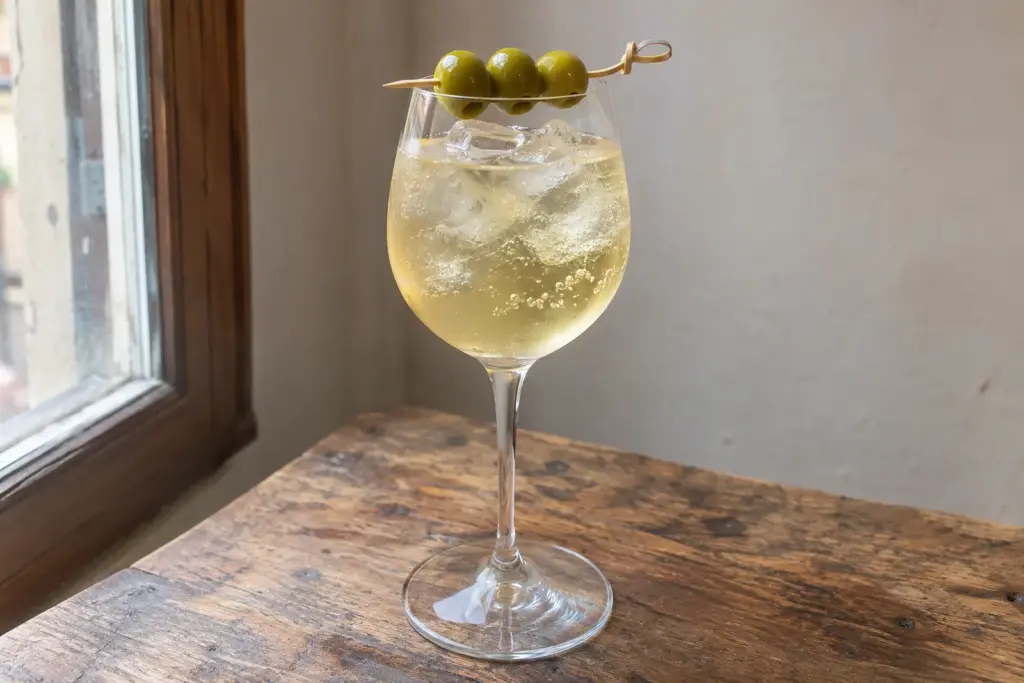
Italicus liqueur is a 20% ABV Italian bergamot rosolio with citrus, rose and lavender on the nose and a light bitterness behind them. No single bottle matches all three, so a good liqueur swap keeps the one note your drink leans on. Every swap amount below is a starting amount to adjust by taste.
1 What Does Italicus Do in a Drink?
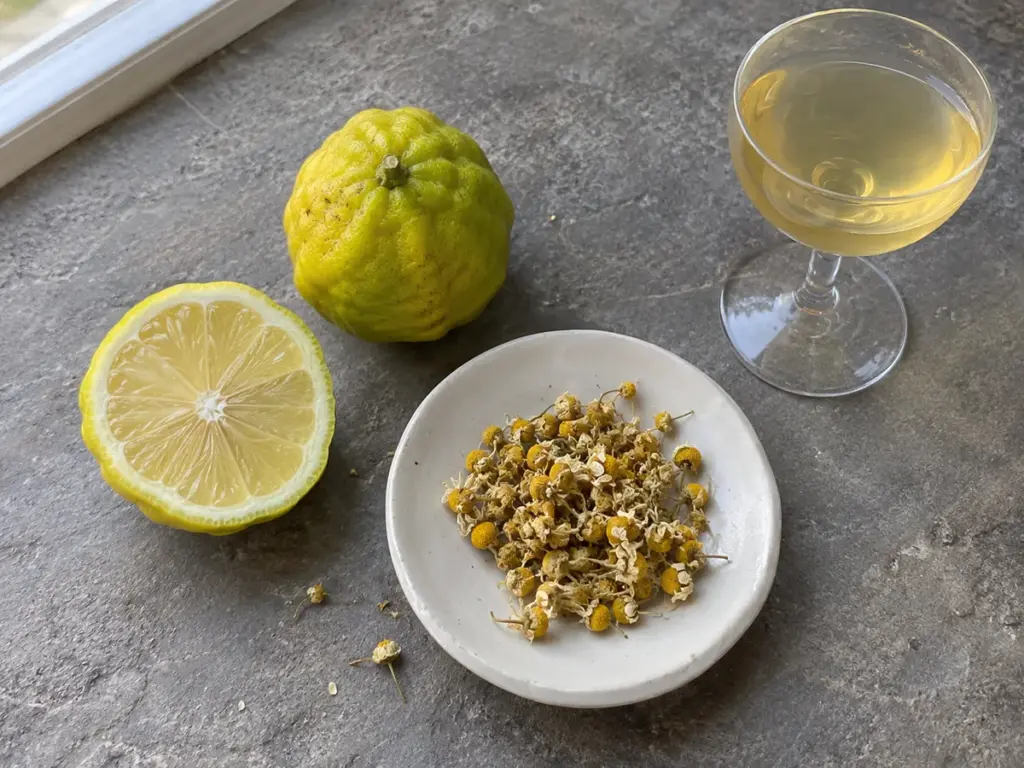
The citrus comes from Calabrian bergamot and Sicilian citron oils, drawn out by cold-water infusion. Its perfume comes from Roman chamomile, lavender, yellow roses, lemon balm and gentian, macerated together in an Italian neutral spirit, according to a product sheet from the brand's distributor. Difford's Guide lists it at 20% ABV and describes a pale straw-gold liquid with a light honeyed sweetness.
The maker's own words are lightly citrusy on the nose with hints of rose and lavender, then ripe citrus balanced by a light bitterness and floral spice, with a long finish. In your glass it supplies citrus, flowers and light bitterness at once.
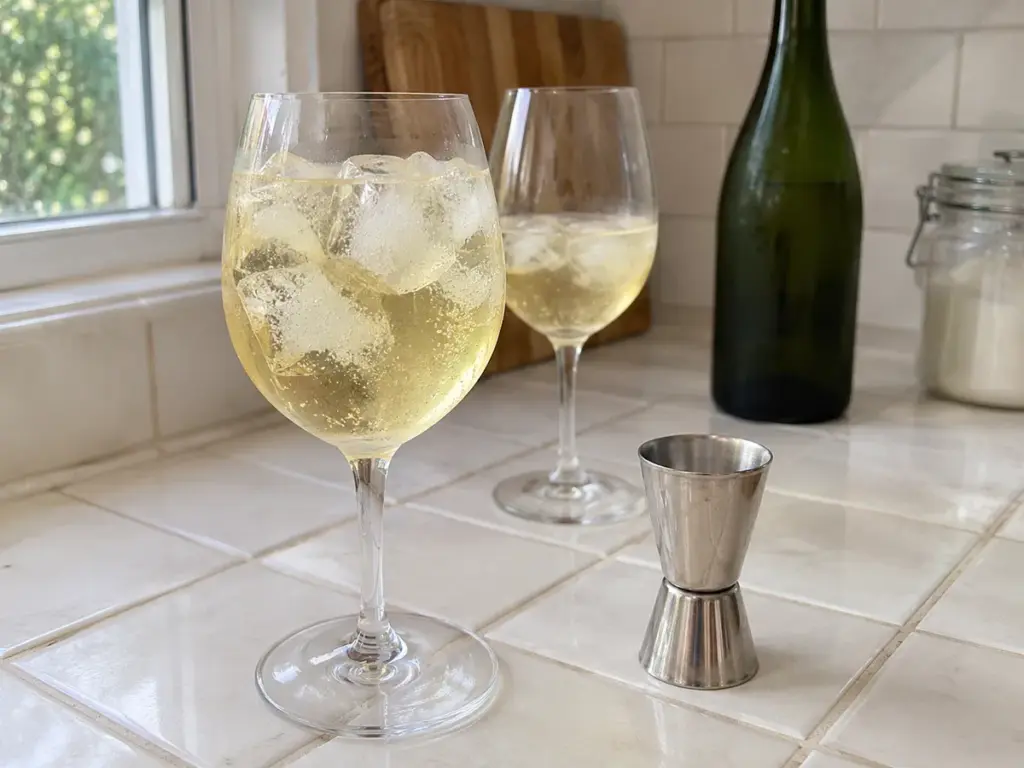
The maker's spritz is 1 part Italicus to 2 parts Prosecco, built in a wine glass over ice with three green olives, whose salt is there to balance the floral aroma. A swap that covers only one of those three notes still makes a good drink, but it makes a different one, so check what a bottle drops before you pour.
2 Best Substitutes for Italicus
Two bottles keep most of Italicus, and each drops a different note: Lillet Blanc keeps the citrus peel and St-Germain keeps the flowers. Aperol, limoncello and gin each keep less, and the alcohol-free tea spritz keeps only the bergamot.
| Substitute | ABV | Starting amount | Best for | What changes |
|---|---|---|---|---|
| Lillet Blanc | 17% | Same amount as the Italicus | Spritz | Wine-based and citrusy, no rose or lavender |
| St-Germain | 20% | Same amount | Italicus Cup, Negroni Bianco, Margarita | Elderflower replaces bergamot, no bitterness |
| Aperol | 11% | Same amount | Spritz | Bitter orange, orange-red color, lighter drink |
| Limoncello | Read the label | ¾ of the amount | Sgroppino | Lemon only, thicker and sweeter |
| Gin | Read the label | Same amount plus 1 teaspoon simple syrup per ounce | Tonic drinks, as a fallback | Dry and juniper, no sweetness or perfume |
| Earl Grey spritz | 0% | Recipe below | Alcohol-free spritz | Thinner, bergamot without florals |
1. Lillet Blanc
Lillet Blanc blends Bordeaux wine from Sémillon and Sauvignon Blanc grapes with fruit liqueurs, and Difford's Guide lists it at 17% ABV, close to Italicus's 20%. You smell candied orange peel and lemon and lime zest, so it covers the citrus side of Italicus and leaves out the rose and lavender.
- In a spritz, start with the same amount as the Italicus and keep the 1-to-2 Prosecco build.
- With no Lillet, dry vermouth or Sauvignon Blanc works at equal amounts.
Tip
Twist a strip of lemon peel over a Lillet spritz if it tastes plain, because the peel oils add citrus the wine lacks.
2. St-Germain
St-Germain is hand-picked elderflower in a grape-based eau-de-vie, and Difford's Guide lists it at 20% ABV with 180 g of sugar per litre. It tastes of elderflower, lemon zest and pear, so it carries the floral half of Italicus and none of its bitterness. Because the strength matches, your drink keeps its body.
- Start with the same amount as the Italicus, and taste before you add the sugar a recipe asks for, like the bar spoon of agave in the maker's Margarita.
- Add a squeeze of lemon if the glass reads sweet.
- With no bottle at hand, elderflower syrup replaces it at half a tablespoon per tablespoon of liqueur, an elderflower liqueur stand-in with no alcohol.
3. Aperol
Aperol turns the drink orange-red and bitter-orange. Difford's Guide lists it at 11% ABV, built on bitter orange, gentian, cinchona and rhubarb, so your spritz tastes of bitter orange instead of bergamot and flowers.
Use the same amount as the Italicus. With roughly half the strength, your drink ends up lighter in alcohol, and it reads more bitter than floral. If you have no Aperol, Select Aperitivo, Cappelletti or Contratto replace it at equal amounts, and each works as an Aperol stand-in.
4. Limoncello
Limoncello brings lemon and sugar and none of the flowers or bitterness, so it fits only where the lemon side of Italicus does the work, as in a Sgroppino with lemon sorbet. Strengths vary between brands, so you should read the label before you pour.
- Start with three quarters of the Italicus amount, because limoncello is thick and sweet on its own, then add more only if the glass needs it.
- When you have no limoncello, lemon syrup made with equal parts sugar and water gives the lemon and the sweetness with no alcohol.
5. Gin
Gin brings juniper and dry botanicals, so it supplies the spirit and none of the sweetness or perfume. Treat it as the fallback for a tall drink that already has other flavor, such as a tonic-topped glass. For the maker's Italicus Cup of 1 part Italicus to 2 parts tonic, St-Germain is the better swap, and gin is for the night you have neither bottle.
Start with the same amount of gin plus 1 teaspoon of simple syrup per ounce, which blends in at once where plain sugar would sink, then taste it.
A Negroni Bianco is different, because the maker's version already holds an equal part of London Dry gin. More gin there only makes a drier gin and vermouth drink, so you put Lillet Blanc or St-Germain in the Italicus's place and keep the gin as it is.
3 Which Substitute Works in Which Italicus Drink?
Pick Lillet Blanc when the drink needs citrus and the fizz carries the rest, and St-Germain when the drink needs the flowers and you can cut other sugar.
Lillet Blanc
Keeps the citrus peel at 17% ABV, close to Italicus, so spritzes stay balanced.
Drops the rose and lavender, so the glass tastes plainer.
St-Germain
Keeps the floral side at the same 20% ABV.
Adds sugar and has no bitterness, so cut other sweeteners.
Five of the maker's recipes show where each swap lands, with the maker's proportions in brackets:
- Spritz (1 part Italicus, 2 parts Prosecco, 3 green olives): Lillet Blanc at the same amount, or Aperol for an orange, lighter glass.
- Italicus Cup (1 part Italicus, 2 parts tonic or grapefruit soda): St-Germain, because the tonic already supplies the bitter edge.
- Negroni Bianco (1 part each of Italicus, London Dry gin and dry vermouth): Lillet Blanc or St-Germain in the Italicus's place.
- Margarita (1 part Italicus, 1 part tequila blanco, ½ part lime juice, 1 bar spoon agave): St-Germain, with the agave left out until you taste, because the liqueur already sweetens the glass.
- Sgroppino (1 part Italicus, 2 parts Prosecco, 1 scoop lemon sorbet): limoncello at three quarters of the amount, because the sorbet adds sweetness too.
Measure each swap with a jigger and change it by a quarter of the original amount at a time, because a bottle with a different strength shifts the whole glass.
4 How Do You Make an Alcohol-Free Italicus Spritz?
6. Earl Grey Spritz (Alcohol-Free)
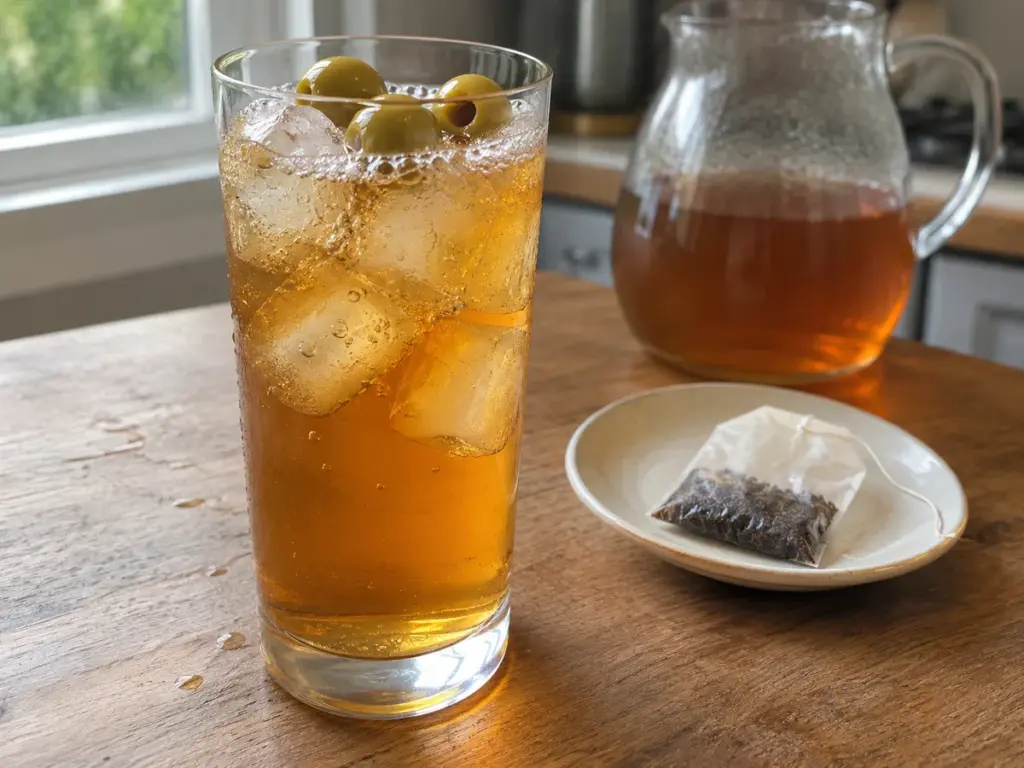
Earl Grey is black tea scented with bergamot oil, so it gives you the bergamot, and elderflower syrup adds floral sweetness. Check the box for bergamot oil or natural bergamot flavor, since some blends use artificial flavor.
- Tea base. Steep 1 Earl Grey tea bag in 4 ounces of hot water for 3 minutes, remove the bag and chill the tea. You use 2 ounces, so keep the rest for the next glass.
- Glass. Fill a wine glass with ice and add 2 ounces of the chilled tea and ½ ounce of elderflower syrup.
- Fizz. Top with 3 ounces of cold club soda and stir once.
- Taste. Add syrup 1 teaspoon at a time if the glass tastes flat, and add 3 green olives on a pick if you want the salty edge the maker uses in its spritz.
These are starting amounts to adjust, and the result is thinner than Italicus because there is no alcohol behind it. If you have only sparkling water or seltzer, use the same amount of either. Blackberries and a squeeze of lemon turn the same Earl Grey and bubbles into a blackberry Earl Grey spritz for a fruitier glass.
Tonic water adds sweetness and a quinine bitter edge, as in the maker's Italicus Cup, and a tonic mocktail with lavender syrup and grapefruit juice shows that edge with no alcohol at all.
5 Which Swaps Should You Skip for Italicus?
- Campari and other red bitter aperitifs turn the drink red and bury the floral notes under a stronger bitterness than Italicus's light one.
- Triple sec or Cointreau give orange and sugar only, with no flowers and no bitterness.
- Plain simple syrup with lemon juice gives sweet and sour with no perfume, so it only suits a drink that gets its flavor elsewhere.
Frequently Asked Questions
Yes, in the same amount, but the drink turns orange-red, has about half the strength (11% against 20% ABV) and tastes more bitter than floral.
Only in lemon-led drinks such as a Sgroppino. It is sweeter and thicker and has no flowers, so start with three quarters of the Italicus amount.
Yes. Use the same amount with Prosecco at 1 part Lillet to 2 parts Prosecco, and add a lemon peel twist if it tastes plain.
Both are 20% ABV. St-Germain tastes of elderflower, pear and lemon zest with 180 g of sugar per litre, while Italicus tastes of bergamot and citron with rose, lavender and light bitterness.
Not in a Negroni Bianco, which already holds an equal part of gin. Replace the Italicus with Lillet Blanc or St-Germain and keep the gin and the dry vermouth.
Sources
- Italicus: how to mix it (maker's recipes and flavor description)
- Italicus Rosolio di Bergamotto product sheet (ABV and ingredients)
- Difford's Guide: Italicus
- Difford's Guide: Lillet Blanc
- Difford's Guide: St-Germain
- Difford's Guide: Aperol

Andrew Gray is a seasoned food writer and blogger with a wealth of experience in the restaurant and catering industries. With a passion for all things delicious, Andrew has honed his culinary expertise through his work as a personal chef and caterer.
His love for food led him to venture into food writing, where he has contributed to various online publications, sharing his knowledge and insights on the culinary world. As the proud owner of CooksCrafter.com, Andrew covers a wide range of topics, including recipes, restaurant reviews, product recommendations, and culinary tips.
Through his website, he aims to inspire and educate fellow food enthusiasts, offering a comprehensive resource for all things food-related.