Short Answer
The best Chinese black vinegar substitute is another black vinegar, such as black rice vinegar, used at the same amount.
- From the pantry, use 1 tablespoon of rice vinegar for every tablespoon your recipe asks for.
- Add ¾ teaspoon of soy sauce and ¼ teaspoon of sugar only when the dish has no soy sauce of its own.
- A braise takes 2 teaspoons of balsamic plus 1 teaspoon of rice vinegar.
Chinkiang (Zhenjiang) vinegar is the best-known Chinese black vinegar, a dark, malty, lightly sweet vinegar made from glutinous rice and wheat bran. Most pantry vinegar swaps carry only one of those three traits, so most need a pinch of sugar, soy sauce or a second vinegar to make up the rest.
1 What Does Chinese Black Vinegar Do in a Recipe?
Chinese black vinegar adds acid and a malty depth at the same time. Omnivore's Cookbook describes it as dry and tart, with a malty umami, a slightly woody and smoky aroma and a touch of sweetness, and puts the acidity of Chinkiang at about 5.5 to 6.5 percent depending on brand and age.
The Woks of Life calls it mildly acidic and faintly sweet, so the vinegar adds depth along with its sourness.
You will meet it in four places:
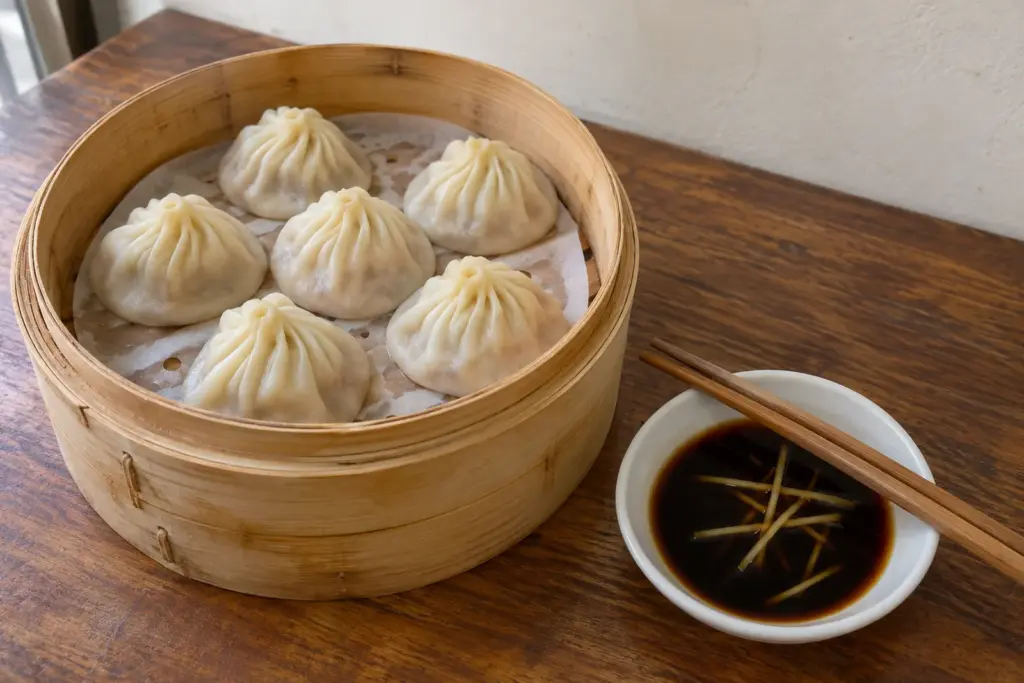
- The dipping sauce for soup dumplings and xiao long bao, where it sits with thin ginger matchsticks
- The sauce for kung pao chicken
- Hot and sour soup
- Braises such as braised fish, where it reduces into a sweet, dark glaze
Because it also has very little salt, about 50 to 150 mg of sodium per tablespoon according to Omnivore's Cookbook, a good swap supplies acid, a little sweetness and some malty depth without much extra salt.
2 Is Chinkiang Vinegar the Same as Chinese Black Vinegar?
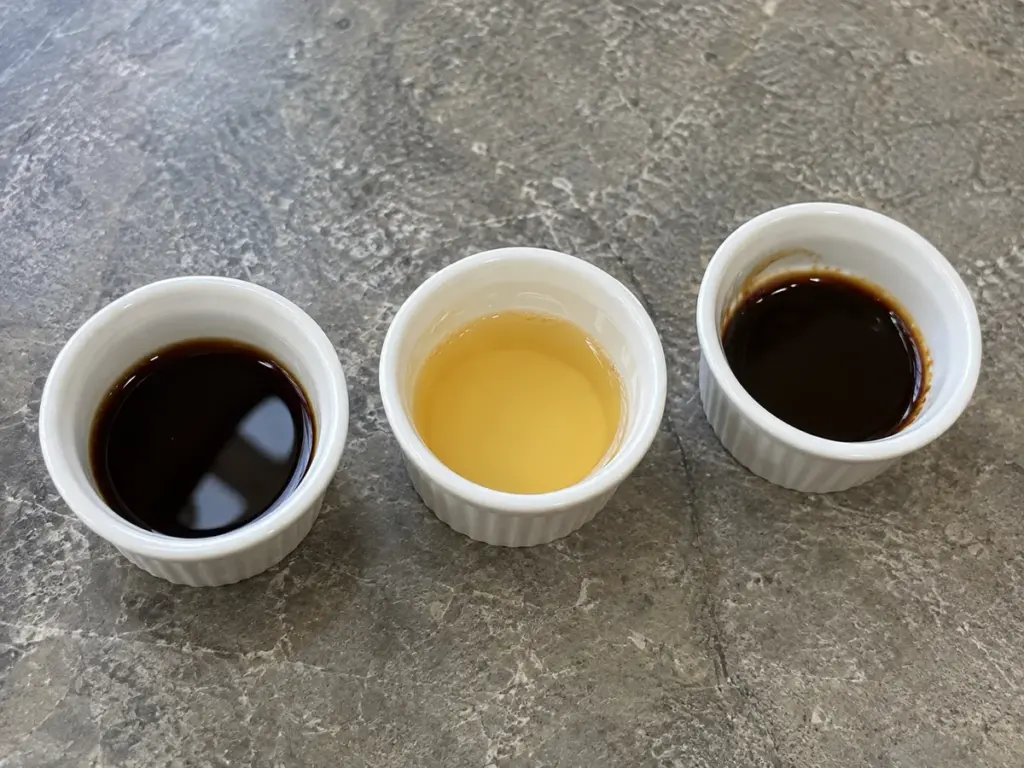
Chinkiang is the older spelling of Zhenjiang, a city in Jiangsu province, and a bottle marked Chinkiang, Zhenjiang or black rice vinegar is the same style of vinegar for cooking purposes. The base is glutinous rice with wheat bran for maltiness, and the vinegar then ages in clay urns for anywhere from 6 months to more than 10 years, according to Omnivore's Cookbook.
Age varies from bottle to bottle, which is one reason strength varies too.
Two relatives show up on the same shelf. Shanxi aged vinegar is brewed from sorghum instead of rice, and Taiwanese black vinegar has about the right acidity but less malt, per Omnivore's Cookbook.
Because wheat bran is part of the traditional recipe, a Chinkiang bottle is not gluten-free unless the label says so.
3 Best Substitutes for Chinese Black Vinegar
Amounts are per 1 tablespoon of Chinese black vinegar and are starting amounts to taste, because no source gives an exact ratio for most of these swaps.
| Substitute | Start with, per 1 tbsp | Best for | What changes |
|---|---|---|---|
| Black rice vinegar or Shanxi aged vinegar | 1 tablespoon | Every use | Taste Shanxi before adding all of it |
| Rice vinegar with soy sauce and sugar | 1 tablespoon rice vinegar, ¾ teaspoon soy sauce, ¼ teaspoon sugar | Dumpling dip, dishes with no soy sauce | Lighter brown, less malt, adds salt |
| Balsamic vinegar with rice vinegar | 2 teaspoons balsamic, 1 teaspoon rice vinegar | Braises, glazes | Sweeter and fruitier |
| Malt vinegar | 1 tablespoon plus ¼ teaspoon sugar | Hot and sour soup, dressings | Milder, closest malt flavor |
| Worcestershire sauce with rice vinegar | 2 teaspoons rice vinegar, 1 teaspoon Worcestershire | Beef and pork braises | Contains anchovies, salty |
| Sherry vinegar | 1 tablespoon plus ¼ teaspoon sugar | Stir-fries, dressings | Nutty, no malt |
| Red wine vinegar | 1 tablespoon plus ¼ teaspoon sugar | Cold salads, braises | Fruity, no malt or smoke |
| Apple cider vinegar | 1 tablespoon, ¼ teaspoon sugar, ¼ teaspoon soy sauce | Marinades, dressings | Fruity, needs soy for depth |
4 How Do You Use Each Chinese Black Vinegar Substitute?
1. Black Rice Vinegar and Shanxi Aged Vinegar
A bottle of black rice vinegar goes in at the same amount, and it is the one swap that needs no sugar or soy. Strength varies from brand to brand, so taste a spoonful of the dip before you pour in the whole measure.
Shanxi aged vinegar, made from sorghum and other grains such as barley and peas, tastes different from the rice-based kind, so pour half, taste, and then decide on the rest. Check the label if you need a gluten-free vinegar, because wheat or barley can be in the mix.
2. Rice Vinegar with Soy Sauce and Sugar
Plain rice vinegar is the tangy base, and soy sauce and sugar supply what it lacks.
- For each tablespoon of black vinegar, stir 1 tablespoon of rice vinegar with ¾ teaspoon of soy sauce and ¼ teaspoon of sugar, then taste.
- Add the soy sauce only where the dish has none, because a recipe that already holds soy sauce needs plain rice vinegar.
- A bottle of seasoned rice vinegar already contains sugar and salt, so leave the sugar out and add the soy sauce a few drops at a time.
Watch the salt. USDA FoodData Central (FDC 174277) lists soy sauce made from soy and wheat at 5,490 mg of sodium per 100 g, about 880 mg per tablespoon, so ¾ teaspoon adds roughly 220 mg to a sauce that expected almost none from the vinegar. Pinch back the other salt in the recipe, and taste before you season at the end.
If anyone at the table avoids wheat, tamari for soy sauce keeps the same amount, and its label tells you whether it was brewed without wheat.
3. Balsamic Vinegar
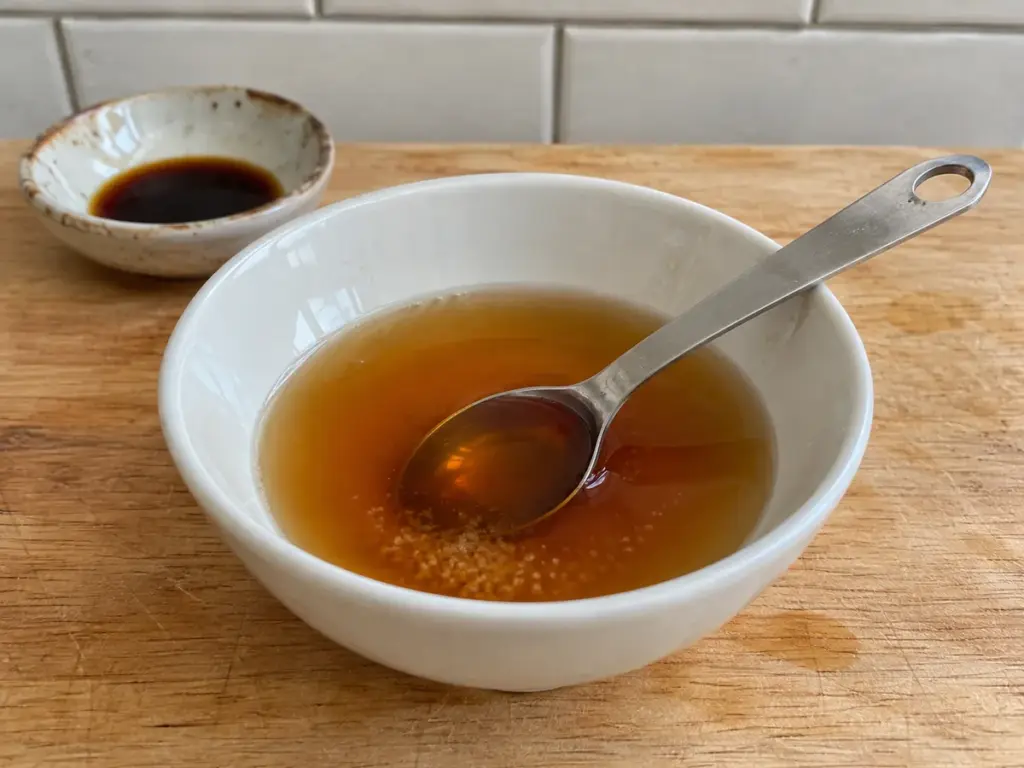
Balsamic vinegar is made from cooked grape must, and its thick, syrupy body looks the part. The Woks of Life allows it "in a real pinch" and warns that some bottles are very syrupy and sweet, and Omnivore's Cookbook advises against it because it adds unintended sweetness.
Cut the sweetness by mixing 2 teaspoons of balsamic with 1 teaspoon of rice vinegar per tablespoon, and leave out any sugar.
Tip
The mix fits dishes that cook down, such as braises and sticky glazes, where the fruit notes mellow as the liquid reduces. You would taste the grape in a raw dip, so keep it for the pot. Skip balsamic glaze, which is already cooked down to a syrup and would turn your sauce cloying.
4. Malt Vinegar
Malt vinegar carries the grain flavor that most other swaps lack, which makes it the closest in character of the vinegars that are not black. Omnivore's Cookbook calls it about a 70 percent match, and milder than the real thing.
Add ¼ teaspoon of sugar to each tablespoon to make up for the missing sweetness. You get the best result in hot and sour soup and dressings, where a quiet malt note works better than fruit.
5. Worcestershire Sauce with Rice Vinegar
Lea & Perrins lists distilled white vinegar, molasses, sugar, salt, onions, anchovies, garlic, cloves and tamarind extract, so a spoonful brings sour, sweet and savory in one.
- For a beef or pork braise, use 2 teaspoons of rice vinegar with 1 teaspoon of Worcestershire sauce per tablespoon.
- The anchovies rule it out for vegetarians, and you would taste the fish in a dip or a cold dish, so keep it for long-cooked pots.
- It also adds salt of its own, so ease off any soy sauce in the same recipe.
6. Sherry Vinegar
Sherry vinegar comes from sherry wine aged in Spain, and its flavor is nutty and rich rather than fruity. Use 1 tablespoon plus ¼ teaspoon of sugar per tablespoon of black vinegar.
You lose the malt and the smoke, but the nuttiness stands in for some of that depth in stir-fries, dressings and marinades.
7. Red Wine Vinegar
Red wine vinegar is red wine that has been fermented a second time, and the grape character stays in the bottle. It is fruitier and lacks the malty, smoky depth of Chinese black vinegar, so add ¼ teaspoon of sugar per tablespoon and reserve it for cold dishes like a vinegar-dressed cucumber salad or a wood ear salad, where a little fruitiness is welcome, or for a braise, where simmering mellows the fruit.
Tip
Your dumpling dip has nothing to hide it, so use another vinegar there.
8. Apple Cider Vinegar
Apple cider vinegar is fermented apple juice, and its fruit is easy to taste. Give it depth by adding ¼ teaspoon of sugar and ¼ teaspoon of soy sauce per tablespoon. That sugar tames the bright zing, and the soy sauce stands in for the dark umami. Use it in marinades and dressings, where its crisp note holds up, and pick another swap for your braise.
5 Which Chinese Black Vinegar Substitute Should You Use for Your Dish?
In a dip or a soup the vinegar stays raw, so you taste every trait of the bottle, while a braise cooks it down to a fraction of its volume, and the two best pantry swaps part ways on how much sweetness the dish can take.
Rice Vinegar with Soy Sauce and Sugar
At 1 tablespoon of rice vinegar, ¾ teaspoon of soy sauce and ¼ teaspoon of sugar, it stays thin, sharp and easy to adjust, which suits dips and any dish with no soy sauce of its own.
Has no malt, and the soy sauce adds salt, so you skip the soy wherever the dish already has some.
Balsamic Vinegar with Rice Vinegar
At 2 teaspoons of balsamic and 1 teaspoon of rice vinegar, it gives braises and glazes a dark, sticky finish with natural sweetness.
Tastes fruity and sweet when it stays raw, so it spoils a plain dumpling dip.
Dips, Soups and Cold Sauces
You taste raw acid in these dishes, so the malt and sweetness of your swap show.
- Dumpling dip and xiao long bao: black rice vinegar first, then the rice vinegar mix, which brings its own soy sauce, with thin ginger matchsticks in the saucer.
- Hot and sour soup: if you follow a hot and sour soup recipe with 2 tablespoons of rice vinegar and 1 tablespoon of soy sauce, the soy is already in the pot, so use plain rice vinegar in place of the black vinegar, or malt vinegar when you want more malt. Hold back a spoonful and stir it in at the end, because simmering dulls the sharp aroma you want in the bowl.
- Dan dan noodles and sesame noodle dressings: these sauces carry their own soy sauce, as the dressing on a soba salad with sesame dressing does, so you use plain rice vinegar at the same amount and taste for sweetness.
Stir-Fries and Braises
Your pan often holds soy sauce, sugar or chili paste already, so the swap has to leave room for them.
- Kung pao: the sauce already holds soy sauce and sugar, so you use plain rice vinegar at the same amount. Dry sherry replaces the Shaoxing wine these sauces use, at the same amount.
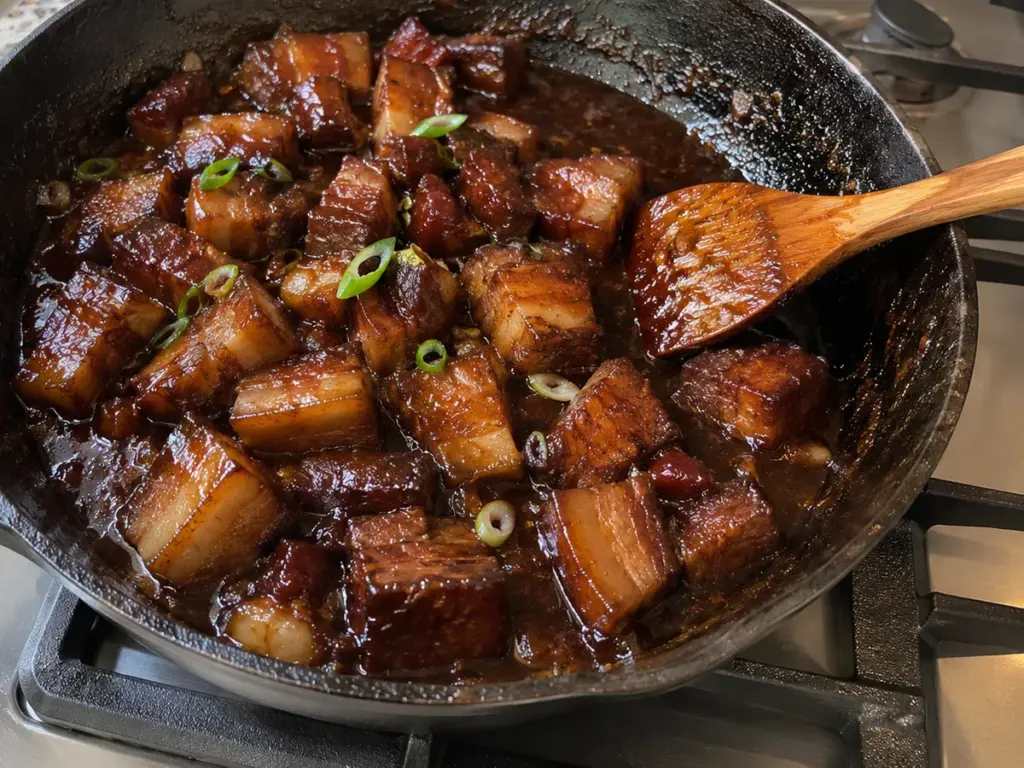
- Braises: you can use the balsamic mix or the Worcestershire mix for beef and pork, since both are made without soy sauce. A braise that starts from doubanjiang, a salty fermented broad bean and chili paste, takes plain rice vinegar when you add soy sauce too, and gochujang in place of doubanjiang works at the same amount.
6 Which Swaps Should You Skip?
- Plain white distilled vinegar works only as a last resort. It is only sour, with no malt or sweetness, so swap it for the rice vinegar in the soy mix at 2 teaspoons per tablespoon, because it is sharper, and raise the sugar to ½ teaspoon.
- Lemon juice tastes fruity and looks pale, and it turns a dip bright and thin where the recipe wants dark and mellow.
- Tamarind paste is dark and sour, but its tartness is fruity and thick, so it muddies a dip and suits only a long braise.
Frequently Asked Questions
Not by default. Traditional Chinkiang vinegar is made with wheat bran, so a gluten-free diet needs a bottle whose label says it is gluten-free. Rice vinegar with tamari is a safer pantry swap, as long as the tamari label says it is made without wheat.
A swap that tastes too sweet, usually balsamic, needs 1 more teaspoon of rice vinegar for every tablespoon. A swap that tastes too sharp needs ¼ teaspoon of sugar or, in a dish with no soy sauce, a few more drops of it, added a little at a time.
Yes, and the mix is the best balsamic swap. Two teaspoons of balsamic with 1 teaspoon of rice vinegar gives the dark color and sweetness of black vinegar with a cleaner acid, for braises and glazes.
Sources
- Omnivore's Cookbook: Chinkiang Vinegar
- The Woks of Life: Chinese Black Vinegar
- USDA FoodData Central: Soy sauce made from soy and wheat (shoyu), FDC 174277

Andrew Gray is a seasoned food writer and blogger with a wealth of experience in the restaurant and catering industries. With a passion for all things delicious, Andrew has honed his culinary expertise through his work as a personal chef and caterer.
His love for food led him to venture into food writing, where he has contributed to various online publications, sharing his knowledge and insights on the culinary world. As the proud owner of CooksCrafter.com, Andrew covers a wide range of topics, including recipes, restaurant reviews, product recommendations, and culinary tips.
Through his website, he aims to inspire and educate fellow food enthusiasts, offering a comprehensive resource for all things food-related.