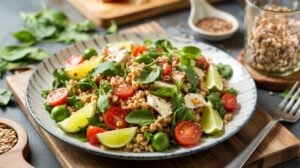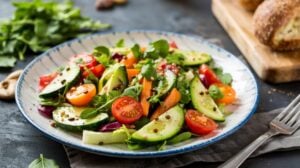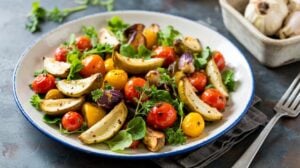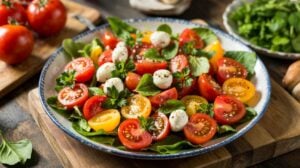
Chopped Winter Salad offers a refreshing and hearty twist on traditional salads, perfect for embracing the flavors of the colder months. (a chopped salad is a finely diced mix of vegetables and add-ins, common in American bistro and deli traditions.) This bright dish combines a variety of seasonal ingredients, often featuring kale, Brussels sprouts, citrus, and dried cranberries, delivering a satisfying mix of textures and tastes that make it both comforting and exciting.
Whether served as a side or a main, it brings warmth and brightness to the table in every bite.

The salad features a good mix of savory, creamy, and bright elements that work together beautifully. The slight bitterness of kale and Brussels sprouts balances with sweet notes from dried fruits and citrus segments.
Toasted nuts add a rich crunch, while tangy cheese and a zesty vinaigrette tie all the flavors into a delicious whole, creating a complex yet approachable taste experience.
What sets this salad apart is its ease of preparation and striking presentation. Quick chopping and simple assembly make it accessible for busy cooks, while the bright colors and layered textures improve it for any occasion.
This method delivers bold flavor and satisfying comfort without complicated steps or long cooking times.
Best Reasons Chopped Winter Salad Delights and Satisfies
This winter salad shines through its balance of rich flavors, ease of prep, and textural appeal. It's a flexible dish that satisfies both light appetites and those seeking a more filling meal.
This combination makes it a reliable choice for family dinners, work lunches, or festive gatherings.
For a Mediterranean twist, try Italian chopped salad for Mediterranean flavor.
- Effortless Preparation - Chopping and mixing require minimal time and no complex cooking, typically 10-15 minutes of hands-on prep, making it perfect for busy days or last-minute meals.
- Balanced Flavors - The salad blends creamy cheese, tart citrus, sweet dried fruits, and bitter greens, crafting a lively and balanced taste.
- Varied Textures - Crunchy Brussels sprouts, chewy dried cranberries, creamy feta, and toasted nuts create contrast with every forkful.
- Wide Appeal - Suitable for health-conscious eaters and food lovers alike, its flavorful layers make it ideal for family meals or elegant serving.
- Simple Cleanup and Serving - With straightforward prep and portioned servings, this salad keeps post-meal cleanup easy and stress-free.
Essential Ingredients for a bright Chopped Winter Salad
Using common winter produce and pantry staples, this salad delivers gourmet flavors with simple ingredients. Having these on hand lets you create a dynamic, satisfying dish anytime.

- Kale or Cabbage - Provides a fibrous base with a subtly bitter bite that complements sweeter components.
- Brussels Sprouts - Thinly sliced for crunch and enhanced winter flavor.
- Citrus Fruits (Oranges or Grapefruit) - Add bright, juicy segments and zest that balance richness.
- Toasted Nuts (Pecans or Walnuts) - Offer warmth and crunch to enrich the texture profile.
- Dried Cranberries or Pomegranate Seeds - Introduce sweet-tart contrast to bitter greens.
- Feta or Goat Cheese - Adds creamy tanginess that rounds out the salad's flavors.
- Maple Syrup or Dijon Mustard (for Dressing) - Provides sweetness and sharpness, uniting all ingredients beautifully.
Step-by-Step Guide to Perfect Chopped Winter Salad
Making this salad is a breeze and guarantees a beautiful blend of flavors and textures. With just a few clear steps, you bring seasonal ingredients together into a cohesive, satisfying dish.
The smart layering ensures each bite is fresh and flavorful.
- Prepare the Greens - Rinse and dry kale or cabbage thoroughly. Remove tough stems and finely chop or shred the leaves. Massaging the kale gently with a small amount of olive oil and a pinch of salt helps soften the leaves and reduce bitterness.
- Slice the Brussels Sprouts - Trim the ends and remove any damaged leaves. Use a sharp knife or mandoline to thinly slice Brussels sprouts, making sure consistent size for even texture and flavor distribution.
- Segment the Citrus and Toast Nuts - Peel citrus fruits and remove pith before cutting into bite-sized segments. Meanwhile, toast nuts in a dry skillet over medium heat until fragrant and lightly browned to maximize crunch and aroma.
- Combine Salad Ingredients - In a large bowl, toss together chopped greens, sliced Brussels sprouts, citrus segments, dried fruit, and toasted nuts. Crumble in cheese evenly over the mixture for creaminess.
- Mix and Add Dressing - Whisk together olive oil, vinegar or lemon juice, Dijon mustard, maple syrup, salt, and pepper until emulsified. Pour dressing over the salad just before serving and toss gently to coat without bruising the greens.
- Serve or Store Appropriately - Plate the salad fresh for the best texture, or refrigerate components separately and dress before eating to maintain crispness.
Perfect Pairings for Chopped Winter Salad
This bright winter salad goes well with light, fresh sides that enhance its bright flavors without overwhelming, similar to spicy rainbow chopped salads for bold crunch for color-packed sides that layer crisp vegetables.
- Roasted Sweet Potatoes - Their natural sweetness goes with the salad's bitter greens, and roasting them at 425°F helps caramelize the edges.
- Quinoa Pilaf - Adds wholesome grains for extra sustenance, cooked in a 1:2 water-to-quinoa ratio.
- Grilled Chicken Breast - A simple protein that keeps the meal hearty without heaviness.
- Crusty Whole-Grain Bread - Great for scooping and adds a satisfying crunch.
- Steamed Green Beans with Lemon - Keeps the plate fresh and bright.
- Butternut Squash Soup - A warm, comforting starter that echoes fall flavors.
- Herb-Roasted Root Vegetables - Bring an earthy depth that rounds out the meal.
How to Store and Reheat Chopped Winter Salad Leftovers
Proper storage and reheating help maintain the salad's bright flavors and fresh textures so you can enjoy it again and again.
- Allow the salad to cool completely before transferring to airtight containers for refrigeration.
- To keep nuts crunchy, store them separately and add just before serving leftover salad.
- Reheat roasted vegetables or proteins accompanying the salad in a preheated oven covered with foil to retain moisture.
- Microwave individual salad portions in short bursts if needed, but avoid overheating to preserve texture.
- For longer storage, freeze components like roasted vegetables or grains in airtight containers; consume within two months for best quality.
Helpful Answers About Making Chopped Winter Salad
Can I substitute the kale or Brussels sprouts with other greens?
Absolutely. Spinach, arugula, or mixed winter lettuces make excellent alternatives that soften flavor and texture.
Is this salad suitable for making ahead?
Yes. Chop and store salad components separately, then toss with dressing just before serving to keep everything crisp.
How do I prevent the salad from getting soggy?
Dress the salad right before serving and avoid over-massaging the greens. Keep nuts and dried fruits separate until plated.
Can I freeze leftovers of this salad?
While fresh greens don't freeze well, roasted veggies or grain add-ins can be frozen. Store salad components individually for best results.
How can I make this recipe vegan?
Omit cheese or replace it with a plant-based variety. Use a vinaigrette free from honey or dairy, such as a maple-mustard dressing.
This well-rounded winter salad has freshness, texture, and bold flavor, perfect for improving everyday meals during colder months. By focusing on simple preparation techniques and seasonal ingredients, it fits seamlessly into busy lifestyles while delivering satisfying nutrition and taste.

Chopped Winter Salad Recipe
Equipment
- Large Bowl To toss all salad ingredients
- Sharp knife or mandoline To slice Brussels sprouts thinly
- Dry skillet To toast nuts until fragrant and lightly browned
Ingredients
- Kale or Cabbage rinsed, dried, tough stems removed, finely chopped or shredded
- Brussels Sprouts trimmed, damaged leaves removed, thinly sliced
- 1 cup Citrus Fruits (Oranges or Grapefruit) peeled, pith removed, segmented into bite-sized pieces
- ½ cup Toasted Nuts (Pecans or Walnuts) toasted until fragrant and lightly browned
- ⅓ cup Dried Cranberries or Pomegranate Seeds
- ½ cup Feta or Goat Cheese crumbled
- 2 tablespoons Olive Oil
- 1 tablespoon Vinegar or Lemon Juice
- 1 teaspoon Dijon Mustard
- 1 teaspoon Maple Syrup
- Salt to taste
- Pepper to taste
Instructions
- Rinse and dry kale or cabbage thoroughly. Remove tough stems and finely chop or shred the leaves. Massage the kale gently with a small amount of olive oil and a pinch of salt to soften the leaves and reduce bitterness.
- Trim the ends and remove any damaged leaves from Brussels sprouts. Use a sharp knife or mandoline to thinly slice them, ensuring consistent size for even texture and flavor.
- Peel citrus fruits and remove pith before cutting into bite-sized segments. Toast nuts in a dry skillet over medium heat until fragrant and lightly browned to maximize crunch and aroma.
- In a large bowl, toss together chopped greens, sliced Brussels sprouts, citrus segments, dried fruit, and toasted nuts. Crumble in cheese evenly over the mixture for creaminess.
- Whisk together olive oil, vinegar or lemon juice, Dijon mustard, maple syrup, salt, and pepper until emulsified. Pour dressing over the salad just before serving and toss gently to coat without bruising the greens.
- Plate the salad fresh for best texture, or refrigerate components separately and dress before eating to maintain crispness.
Notes
- Effortless preparation with quick chopping and no complex cooking.
- Balanced flavors blending creamy cheese, tart citrus, sweet dried fruits, and bitter greens.
- Varied textures from crunchy Brussels sprouts, chewy dried cranberries, creamy feta, and toasted nuts.
- Wide appeal for health-conscious eaters and food lovers alike.
- Simple cleanup and serving with straightforward prep and portioned servings.
Arugula's peppery bite pairs well with warm grains and roasted vegetables; see arugula salad side dishes to complement flavors for suitable pairings. If adding a heartier accompaniment, chicken salad best side dishes for balance suggests proteins and sides that keep the plate balanced and satisfying.

Andrew Gray is a seasoned food writer and blogger with a wealth of experience in the restaurant and catering industries. With a passion for all things delicious, Andrew has honed his culinary expertise through his work as a personal chef and caterer.
His love for food led him to venture into food writing, where he has contributed to various online publications, sharing his knowledge and insights on the culinary world. As the proud owner of CooksCrafter.com, Andrew covers a wide range of topics, including recipes, restaurant reviews, product recommendations, and culinary tips.
Through his website, he aims to inspire and educate fellow food enthusiasts, offering a comprehensive resource for all things food-related.