Short Answer
Vegetable shortening replaces lard in pie crust and tamales at 1 cup plus 2 tablespoons for every 1 cup of lard.
- Butter works for biscuits at 1 ¼ cups for every 1 cup because butter is only about 80% fat.
- For frying, use vegetable oil or beef tallow in the same amount as the lard.
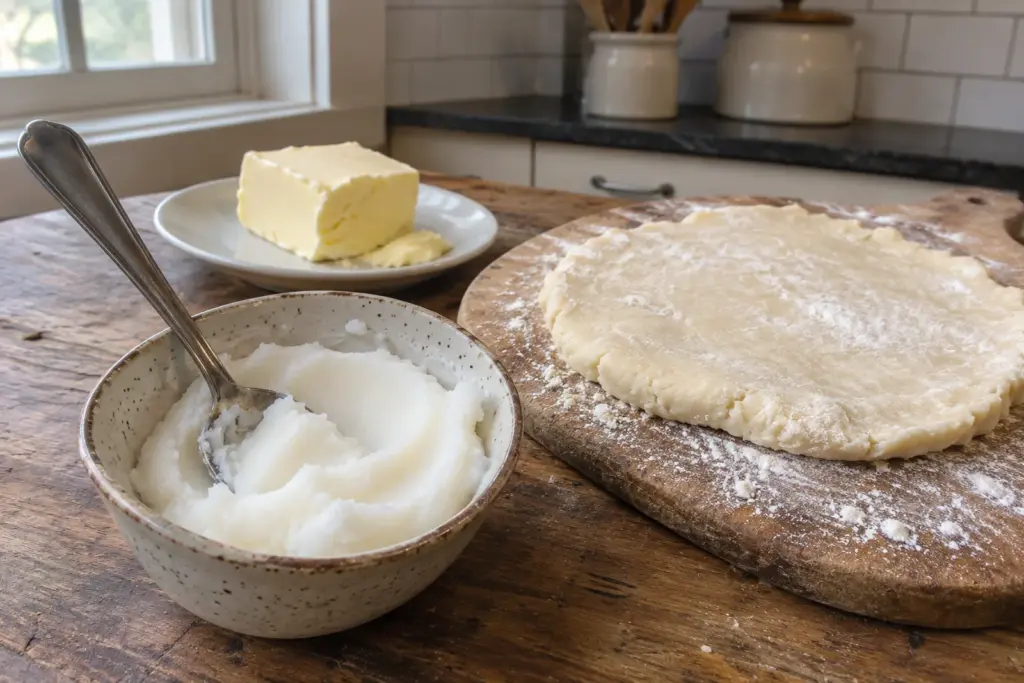
Lard is rendered pork fat with no water in it, which is why pastry and biscuits made with it come out so tender. Any ingredient substitute for it either brings water along, as butter does, or brings a flavor of its own, as bacon grease and coconut oil do, so the right pick depends on which of those your recipe can live with.
1 What Does Lard Do in a Recipe?
Lard is solid at room temperature and holds no water, so in pie dough or biscuit dough it coats the flour and keeps gluten short, and that is what makes the crumb tender. Butter does the same job another way.
America's Test Kitchen puts butter's water at 15 to 20 percent, and that water turns to steam in a hot oven and lifts the layers, while lard has none to give.
Two traits sort the stand-ins: how much water a fat carries and how much taste it leaves behind. A wetter dough turns out softer, and a fat with a strong taste suits a pot of beans or a skillet of cornbread better than a cookie, so pick the fat for the dish you are making.
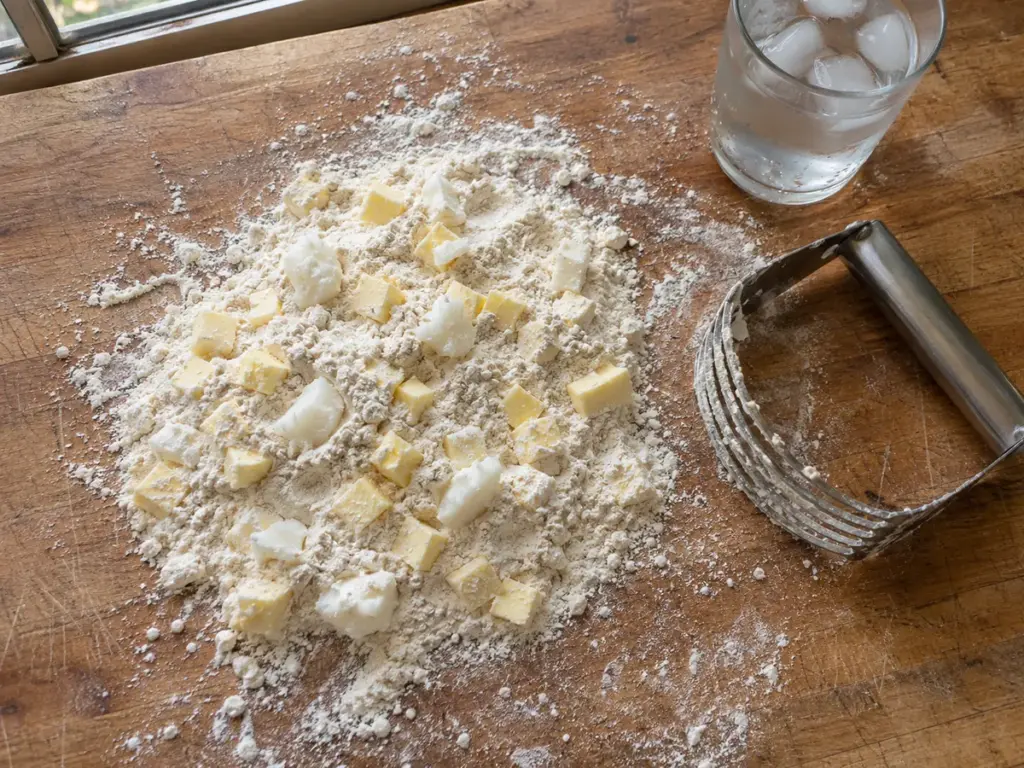
The tub on your shelf matters too. Leaf lard comes from the fat around a pig's kidneys and is usually bought from a butcher, and the same America's Test Kitchen testers found it made very tender biscuits. They called biscuits made with supermarket lard dense and gummy with a slightly sour aftertaste.
2 What Are the Best Substitutes for Lard?
Butter needs the most at 1 ¼ cups for 1 cup of lard, shortening and ghee need 1 cup plus 2 tablespoons, and every other fat goes in at 1 cup. All of these are starting amounts, so bake a few biscuits or a small pie before you commit a full batch.
| Substitute | Starting Amount for 1 Cup of Lard | Best For | What Changes |
|---|---|---|---|
| Vegetable shortening | 1 cup plus 2 tablespoons | Pie crust, tamales | No pork taste and no water, so the flavor comes from the filling or other ingredients |
| Butter | 1 ¼ cups | Biscuits, cookies, buttery pie crust | Adds water and butter flavor, and browns sooner |
| Beef tallow | 1 cup | Frying, meat pies, savory crusts | Tastes of beef and stays firm when cold |
| Bacon grease | 1 cup | Cornbread, savory biscuits, pan frying | Adds smoke and salt |
| Coconut oil (refined) | 1 cup | Cookies, sweet pastry | Softens fast in a warm kitchen, with little coconut taste |
| Ghee | 1 cup plus 2 tablespoons | Biscuits, pastry, sautéing | Nutty butter taste with no water |
| Olive oil | 1 cup | Yeast bread, flatbread, focaccia | Liquid, so no flaky layers |
| Vegetable oil | 1 cup | Frying, skillet cooking | Liquid, so no flaky layers |
Butter needs the most because about a fifth of it is water and milk solids instead of fat. Colorado State's chart replaces 1 cup of shortening with 1 cup minus 2 tablespoons of lard, so going the other way takes 1 cup plus 2 tablespoons of shortening for 1 cup of lard, and ghee, which holds no water either, gets the same amount.
1. Vegetable Shortening
Shortening is the closest stand-in for lard in a pie crust, and 1 cup plus 2 tablespoons replaces 1 cup of lard as a starting amount. Like lard, it holds no water, and King Arthur notes that butter contains more water than shortening.
In King Arthur's test the all-butter crust baked lighter, but its fluted edge came out ill-defined, and King Arthur credits the steam from butter's water; for a crust that keeps its crimping, it suggests the butter-and-shortening mix or all shortening.
Tip
Shortening gives up flavor for that tenderness, because it tastes of nothing. A savory pie or a biscuit you plan to eat plain needs more salt or a good filling to make up for it.
2. Butter
Butter is the swap most kitchens can make right now, and it needs more than lard does: use 1 ¼ cups of butter for every 1 cup of lard as a starting amount. A cup of lard and a cup of butter each weigh 226 grams in King Arthur's ingredient weights, but U.S. butter only has to hold 80 percent milkfat, so a quarter more butter brings the fat back to the amount your dough expects.
A recipe built for butter from the start shows the payoff. The classic double-crust apple pie uses 1 cup of butter for 2 ½ cups of flour and bakes a buttery, flaky crust.
In biscuits the trade also works in your favor, since leaf lard biscuits were tender but less flaky than butter biscuits in America's Test Kitchen's tests.
3. Beef Tallow
Tallow is rendered beef fat, and 1 cup of it stands in for 1 cup of lard in savory cooking:
- Pan-fried potatoes
- A crust for a steak pie
- The fat in a pot of refried beans
It stays firm when cold, so you can cut it into dough in small pieces the way you would lard. The beef taste carries into whatever it cooks, which makes it a poor match for an apple pie or a sugar cookie.
4. Bacon Grease
Bacon grease brings salt, and usually smoke, along with the fat, since bacon is cured and often smoked. Measure it 1 cup for 1 cup of lard as a starting amount in cornbread, savory biscuits and for greasing a skillet, and taste your dough or batter before you add any salt.
Skillet cornbread baked in the fat left from six slices of bacon, as in a bacon skillet cornbread, comes out with crisp edges.
Bacon grease keeps for 6 months in the refrigerator and 12 months in the freezer, according to the USDA FoodKeeper, so a jar of it is easy to have on hand. Keep it out of sweet pies and cookies, where the salt and smoke show.
5. Coconut Oil
Coconut oil is solid in a cool kitchen, so you can cut it into dough like lard; start with 1 cup for each 1 cup of lard.
- Refined coconut oil has little coconut taste, which makes it the version to buy for a savory dish.
- Unrefined oil smells of coconut and suits cookies and sweet pastry better.
Chill it until firm before you work it into flour, because it softens quickly on a warm day.
Colorado State lists coconut oil's smoke point at 350°F, under lard's 370°F, so keep it to baking and gentle pan work instead of hot frying.
6. Ghee
Ghee is butter with the water and milk solids cooked out, so it gives biscuits and pie crust a nutty butter flavor without the water that softens a dough. Start with 1 cup plus 2 tablespoons for each 1 cup of lard.
Warning
Chill it hard before you cut it in, because ghee that has gone soft behaves like oil and will not leave layers.
Colorado State gives its smoke point as 375°F to 485°F depending on purity, so it fries at or above lard's 370°F, and the purer the ghee, the higher the figure.
7. Olive Oil
Olive oil replaces lard in yeast bread, focaccia and flatbread, where the fat only has to soften the crumb, and the starting amount is 1 cup for 1 cup of lard. It cannot hold layers in a pie crust or biscuit, because oil is already liquid when it meets the flour.
Colorado State lists extra-virgin olive oil at 350°F and olive oil in general at 390°F to 470°F, so extra-virgin suits sautéing better than hot frying, and its fruity, slightly bitter taste shows most in plain breads.
8. Vegetable Oil
Vegetable oil is the practical stand-in for lard in a skillet or pot: pour in the same volume you would use for melted lard. Colorado State lists its smoke point at 400°F, 30 degrees above lard's, so it tolerates more heat. Like olive oil, it makes no flaky layers in dough.
3 Which Substitute Should You Use for Pie Crust, Biscuits, Tamales or Frying?
For pie crust the two common swaps trade flavor against handling: butter makes more defined flakes and tastes of butter, while shortening holds no water and gives a cleaner crimped edge.
Butter
Gives a buttery taste, and King Arthur's all-butter crust baked lighter, with more defined flakes than the butter-and-shortening one.
Carries water, so the dough softens quickly, the crust browns sooner and the fluted edge came out ill-defined in King Arthur's test. Use 1 ¼ cups for 1 cup of lard.
Vegetable Shortening
Holds no water, and King Arthur recommends it, alone or mixed with butter, when you want a crimped edge that holds. Use 1 cup plus 2 tablespoons for 1 cup of lard.
Tastes of nothing, so the crust relies on the filling for flavor.
- Biscuits: use butter at 1 ¼ cups per 1 cup of lard, kept ice cold. Drop biscuits suit a first butter swap because there is no rolling, and the first of these drop biscuits spooned onto the pan takes 6 tablespoons of cold butter for 2 cups of flour. For rolled biscuits, a drinking glass can stand in for a biscuit cutter if you press it straight down.
- Tamales: use shortening at 1 cup plus 2 tablespoons per 1 cup of lard, beaten into the masa until the dough turns fluffy, since the whipped fat is what holds the air.
- Cornbread: use bacon grease, 1 cup for 1 cup, in a hot skillet, or butter at 1 ¼ cups if you would rather skip the smoke.
- Frying: use vegetable oil or beef tallow in the same amount as the lard.
4 How Do You Rework a Lard Recipe for Butter?
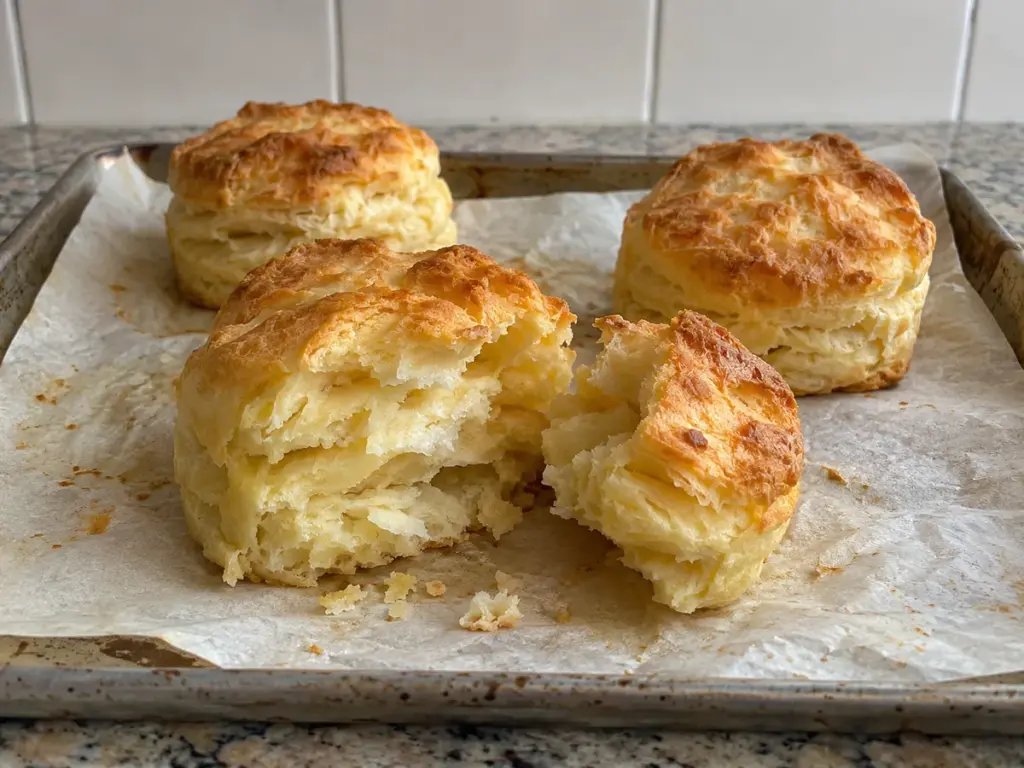
Butter is the swap that changes your method, since it brings water and milk solids with it. Five steps adjust a recipe written for lard:
- Measure the fat. Use 1 ¼ cups of butter for each 1 cup of lard, because the extra quarter makes up for the water and milk solids in butter.
- Chill everything. Cut the butter into cubes and keep it in the refrigerator until the flour is ready, so the pieces stay solid long enough to leave gaps as the dough bakes.
- Cut it in by size. Work the butter into the flour until pieces about the size of peas remain. A food processor pulsed in 1-second bursts can replace a pastry cutter for this step.
- Add ice water slowly. Stir in 1 tablespoon at a time and stop as soon as the dough holds together when pinched. Butter has already brought some water, so you may need less than the recipe says.
- Watch the color. Milk solids in butter brown before lard does, so check the crust earlier than the recipe says and tent the edges with foil if they darken.
5 Which Fat Is Best for Frying Instead of Lard?
A fat starts to smoke once the pan is hotter than its smoke point, and your food then tastes acrid. Colorado State's chart shows where each common fat stands, and the figures shift with how refined the fat is and how pure it is.
| Fat | Smoke Point | Frying Verdict |
|---|---|---|
| Ghee | 375°F to 485°F | At or above lard, and higher the purer it is |
| Vegetable oil | 400°F | Tolerates more heat than lard |
| Lard | 370°F | The baseline for the swaps |
| Vegetable shortening | 360°F | Just under lard |
| Butter, coconut oil, extra-virgin olive oil | 350°F | Smoke 20 degrees before lard, so keep them for baking and gentle sautéing |
| Beef tallow, bacon grease | Not on the chart | Look for the figure on the brand's label |
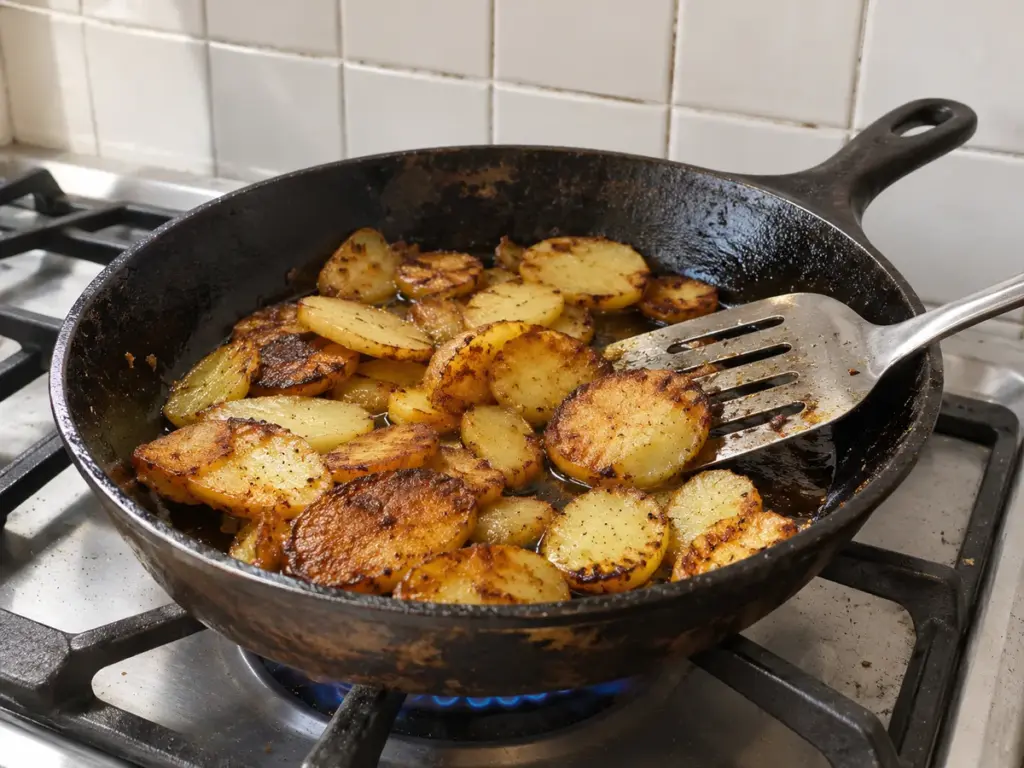
Vegetable oil stays liquid, so fill the pan to the depth you would use for lard. Shortening and tallow need a minute to melt completely before the food goes in. Unlike butter, none of the three is part water, so they do not spit or brown early.
6 Which Lard Swaps Do Not Work?
- Olive or vegetable oil in a flaky crust or biscuit. Oil mixes into the flour instead of staying in separate pieces, so the dough bakes without layers.
- Bacon grease in a sweet pie or cookie. The salt and smoke come through in the dessert.
- Cured pork pieces. Pork lardons are diced pieces of bacon or pork fat, not rendered fat, so they cannot be cut into dough or poured into a pan.
Frequently Asked Questions
Stick margarine can replace lard because federal rules require margarine to hold at least 80 percent fat, the same minimum as butter, so use 1 ¼ cups for every 1 cup of lard. Soft tub spreads usually hold less fat and more water, which makes a wetter dough.
Tamale masa is beaten with solid fat until it holds air, so vegetable shortening at 1 cup plus 2 tablespoons per 1 cup of lard is the starting swap. Refined coconut oil chilled firm also whips, and butter at 1 ¼ cups per 1 cup of lard adds flavor along with its water.
Vegetable shortening and coconut oil contain no animal fat, so either one suits vegetarian cooks: 1 cup plus 2 tablespoons of shortening, or 1 cup of coconut oil, for 1 cup of lard. Butter and ghee are vegetarian but come from dairy, which rules them out for vegans.
Sources
- America's Test Kitchen: Substituting Lard for Butter in Biscuits
- King Arthur Baking: Butter vs. Shortening in Pie Crust
- King Arthur Baking: Ingredient Weight Chart
- 7 CFR 58.305: Butter, meaning of words
- 21 CFR 166.110: Margarine
- Colorado State University Kendall Reagan Nutrition Center: Cooking with Fats and Oils
- Colorado State University Extension: Ingredient Substitutions
- USDA FoodKeeper: Bacon grease

Andrew Gray is a seasoned food writer and blogger with a wealth of experience in the restaurant and catering industries. With a passion for all things delicious, Andrew has honed his culinary expertise through his work as a personal chef and caterer.
His love for food led him to venture into food writing, where he has contributed to various online publications, sharing his knowledge and insights on the culinary world. As the proud owner of CooksCrafter.com, Andrew covers a wide range of topics, including recipes, restaurant reviews, product recommendations, and culinary tips.
Through his website, he aims to inspire and educate fellow food enthusiasts, offering a comprehensive resource for all things food-related.