Short Answer
The best substitute for caraway seeds is dill seed, used teaspoon for teaspoon, because both seeds hold carvone as their main aroma compound.
- For rye bread and sauerkraut, use dill seed or ¾ teaspoon of fennel seed for each teaspoon of caraway.
- For goulash and other meat stews, use ½ teaspoon of cumin seed per teaspoon, because cumin adds earthy warmth with no licorice taste.
- No source gives a caraway swap ratio, so every amount here is a starting amount to taste and adjust.
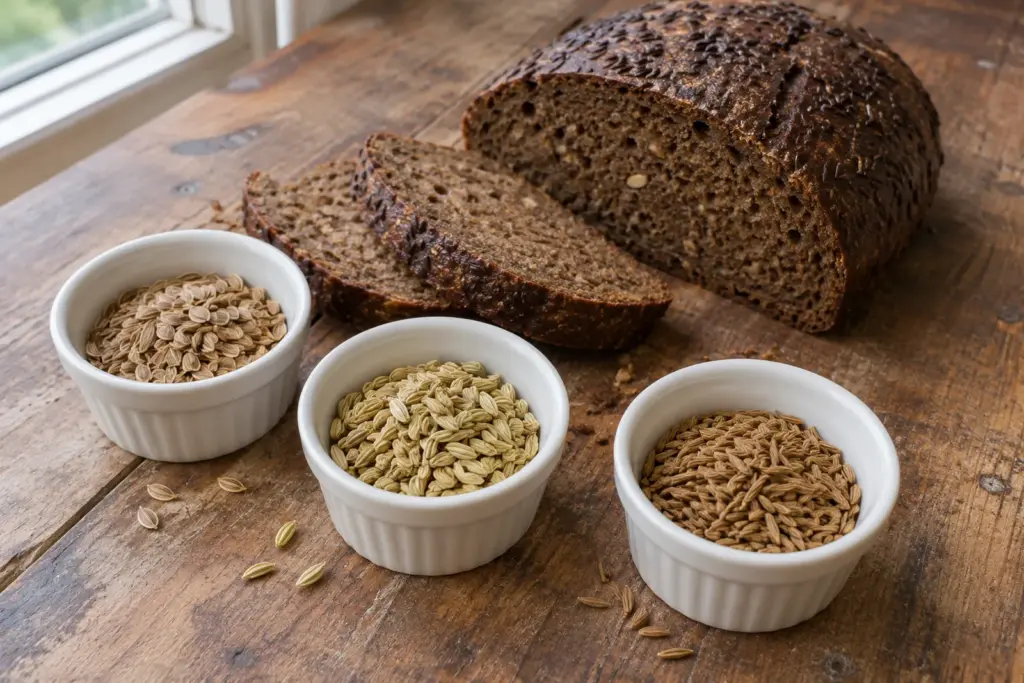
Caraway seed gives rye bread, sauerkraut and slow-cooked beef or pork a warm, slightly sweet aroma with a licorice edge, and that aroma is the part a stand-in has to match. Among the spice swaps you can make, caraway needs three different stand-ins: dill seed for rye and sauerkraut, fennel seed for a sweetened dough, and cumin seed for a meat stew.
1 What Does Caraway Seed Do in a Recipe?
Caraway seeds are the dried fruit of Carum carvi, and the oil that makes them smell the way they do is mostly two compounds. A 2019 review notes that the European Pharmacopoeia expects 50 to 65% d-carvone and up to 45% limonene in that oil, and d-carvone is the compound behind the smell people call caraway.
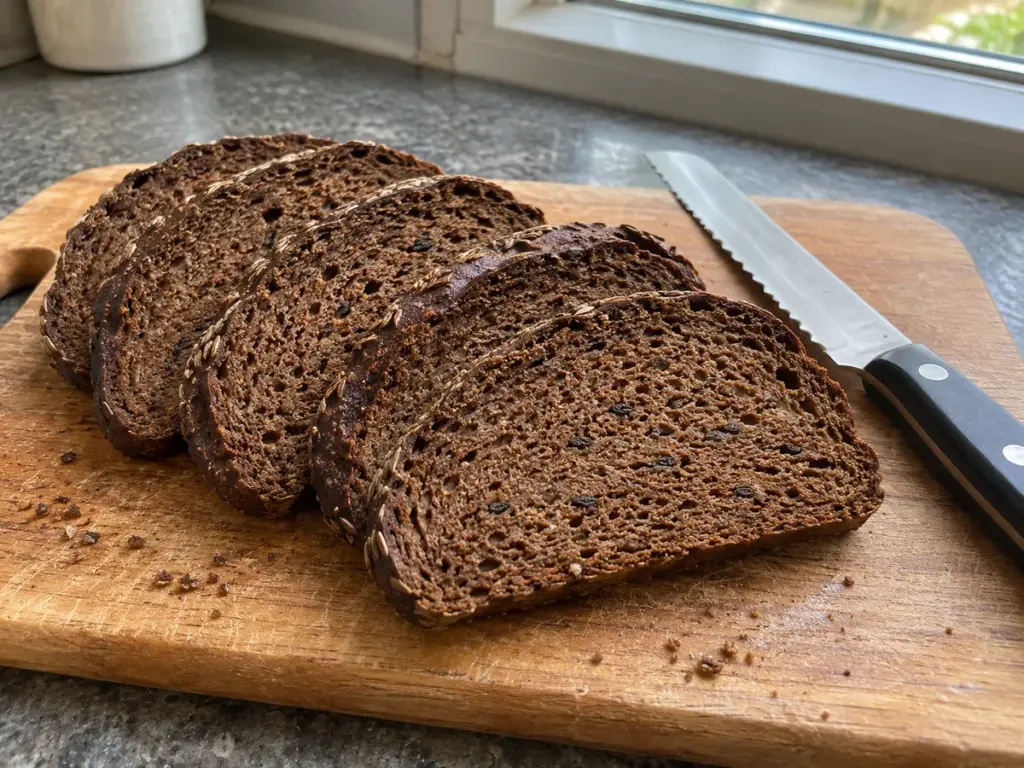
Caraway fruits are used to flavor rye bread, and in sauerkraut and stews the seeds soften in the liquid and give it their aroma. A stand-in therefore has to hold up through a long bake or a long simmer.
In one Turkish study of seed oils, dill seed oil was 67.41% carvone and 30.58% limonene, the same two compounds that lead in caraway, so dill seed is the closest match, since carvone leads dill seed oil. Fennel and anise lean on a different compound, anethole, and cumin on cuminaldehyde, which is why they taste like another spice even when the swap works.
2 Best Substitutes for Caraway Seeds
No source publishes a swap ratio for caraway, so each amount is this site's own starting amount per 1 teaspoon of caraway seed. Add it, taste, and raise it a pinch at a time.
| Substitute | Amount per 1 teaspoon caraway | Best for | What changes |
|---|---|---|---|
| Dill seed | 1 teaspoon | Rye bread, sauerkraut, potatoes | Closest flavor, with a fresh dill note |
| Fennel seed | ¾ teaspoon | Sweetened rye dough, cabbage with onion or apple | Sweeter, with a licorice taste |
| Cumin seed | ½ teaspoon | Goulash, beef and pork stews | Earthy and warm, with no licorice |
| Anise seed | ½ teaspoon | Sweet rye rolls, cabbage with apples | Strong licorice flavor |
| Nigella seed | ½ teaspoon | Topping on rolls and flatbread | Peppery, with no caraway flavor |
Dill seed and fennel seed fit breads and cabbage, cumin seed fits meat stews, and anise and nigella are last picks for most dishes.
Dill Seed
Dill seed (Anethum graveolens) is the nearest match, so you can use 1 teaspoon for each teaspoon of caraway, whole for whole and ground for ground. It fits rye dough, sauerkraut and potato dishes, and it leaves a fresh dill note that is easy to spot in a sweet loaf.
You want the jar labeled dill seed. Dill weed is the feathery leaf of the same plant, sold as a herb, so it is the wrong jar for this swap.
Fennel Seed
Fennel seed (Foeniculum vulgare) brings sweetness and a licorice taste, because its oil was 88.79% anethole in that same Turkish sample. Start with ¾ teaspoon per teaspoon of caraway, since the licorice note is stronger than caraway's. You will like it in a sweetened rye dough and in cabbage cooked with onion or apple, and you will find it out of place in a beef and paprika stew.
Tip
A dough hides its flavor until the loaf is baked, so keep every swap at the table amount for bread and raise it only in the next batch.
Cumin Seed
Cumin seed (Cuminum cyminum) belongs to the same plant family as dill, fennel and anise, yet in that same Turkish sample its oil was led by cuminaldehyde (32.13%), gamma-terpinene and beta-pinene, with no carvone or anethole among the main compounds. Use ½ teaspoon per teaspoon of caraway in beef, pork and bean stews, where your pot needs earthy warmth more than sweetness.
Start at half because cumin brings an earthy flavor that caraway does not have, and a pinch is easier to add to a pot than to take out. Treat the half teaspoon as your own starting amount and raise it a pinch at a time.
A Hungarian goulash that serves six uses 1 teaspoon of caraway seeds, so the swap is just ½ teaspoon of cumin seed for the whole pot. In your rye bread or sauerkraut, cumin will read as a different spice, because it has none of caraway's sweetness.
Anise Seed
Anise seed (Pimpinella anisum) is almost pure licorice flavor, since its oil was 93.74% anethole in that Turkish sample, with little else beside it. Use ½ teaspoon per teaspoon of caraway in sweet rye rolls or braised cabbage with apples, and skip it when you make a savory beef stew.
Nigella Seed
Nigella seed (Nigella sativa) is sold as black cumin, but it belongs to the buttercup family, and a 2014 analysis of seeds bought in India found thymoquinone (37.6%) and p-cymene as the leading compounds in the oil. Use ½ teaspoon per teaspoon of caraway inside food.
- On rolls or flatbread, you scatter nigella over the top, where it gives the same speckled look as caraway.
- In dough, sauerkraut or stew, keep it to the starting amount, because its peppery flavor is nothing like caraway's.
3 How Do You Add a Substitute Seed to the Dish?
A swap seed acts most like caraway when it goes in at the same moment and in the same form.
- Measure before you grind. Level the table amount from whole seeds, then grind it in a mortar if your recipe lists ground caraway.
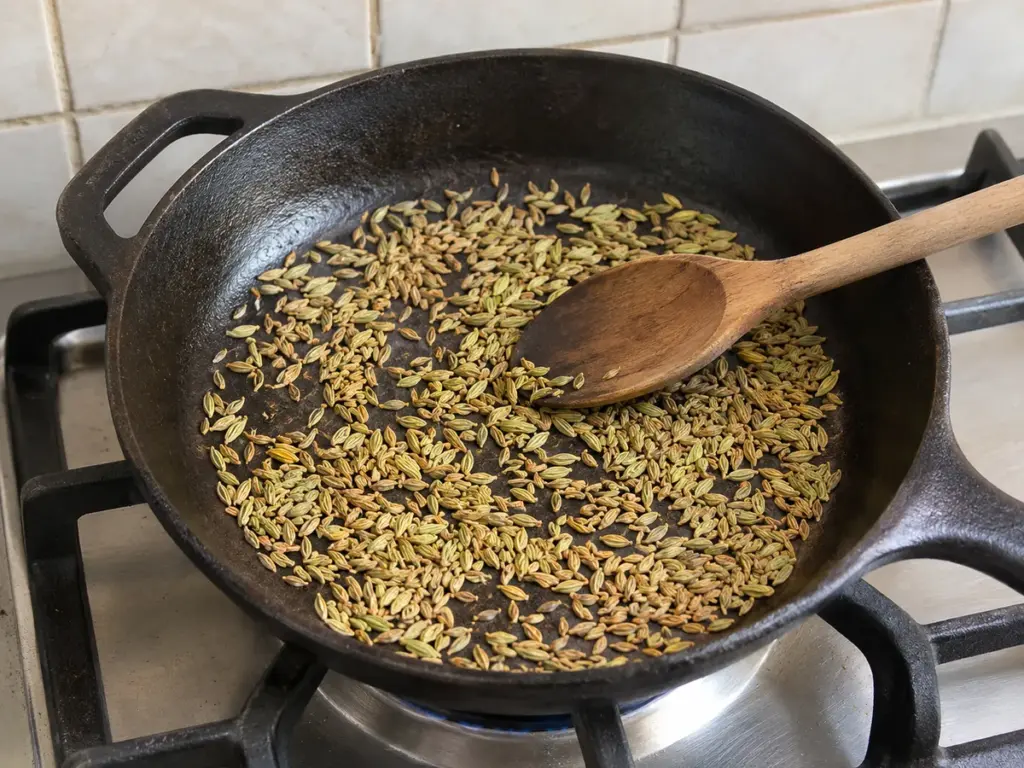
- Warm the seeds. Dry-toast fennel, cumin or anise seeds in a skillet over medium-low heat until they smell warm and turn a shade darker, then tip them out so they stop cooking.
- Add them where caraway goes. Mix the seeds into rye dough with the flour, stir them into cabbage when you pack or cook it, and stir them in with the paprika when you build a stew, the way the goulash above adds its caraway.
- Taste, then top up. Taste the kraut or stew after it has simmered a few minutes, and add a pinch at a time.
Small dry seeds scorch fast, so keep the pan moving and pull it off the heat as soon as you smell the change.
4 Which Substitute Fits Rye Bread, Sauerkraut and Stews?
Pick dill seed for savory rye, sauerkraut and potatoes, where its fresh note fits, and fennel seed when the dish is already sweet, such as a sweetened dough or cabbage with apple or onion, because fennel adds sweetness of its own.
Dill Seed
Matches caraway's carvone aroma at 1 teaspoon per teaspoon.
Leaves a fresh dill note that shows up in a sweet loaf.
Fennel Seed
Adds sweetness that suits rye dough and cabbage cooked with onion or apple.
Its licorice taste is stronger, so it goes in at ¾ teaspoon and still tastes different.
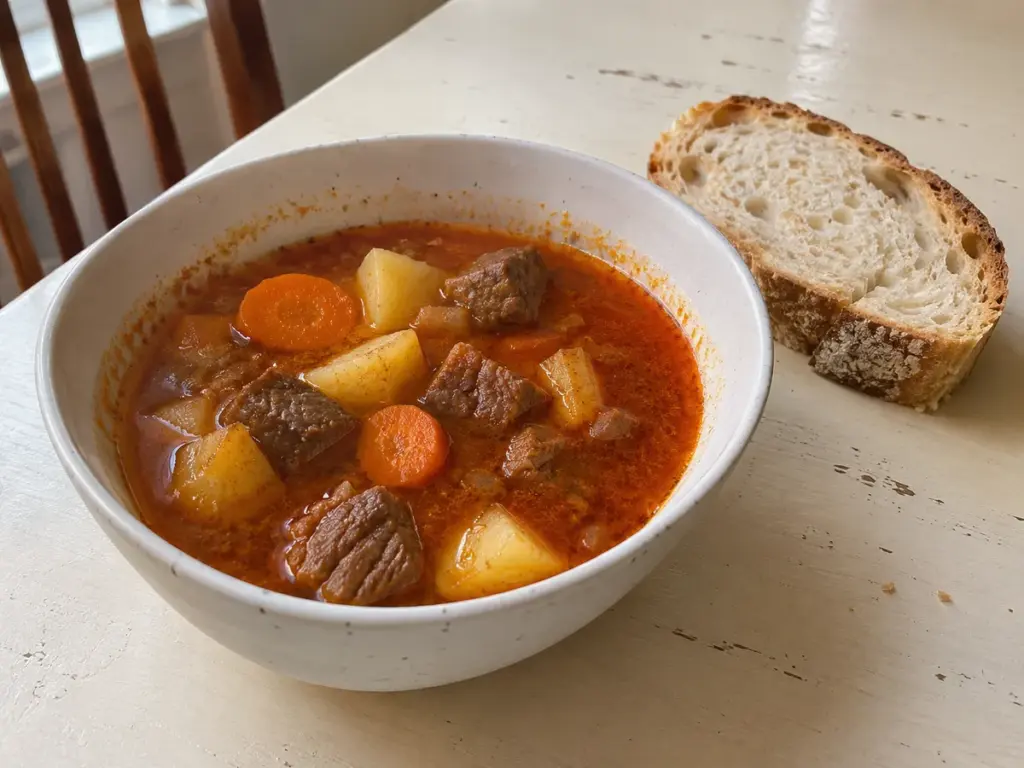
Your meat stew goes to cumin seed instead, because the pot is built on beef, onions and paprika, and cumin goes with all three.
- Rye bread and rolls take dill seed first, or fennel seed when the dough is sweetened.
- Sauerkraut takes dill seed or fennel seed stirred in with the cabbage, and sauerkraut warmed in a skillet is a standard side on a plate of bratwurst, where fennel seed stirred in with the cabbage is the swap above.
- Goulash and other beef or pork stews take cumin seed, stirred in with the paprika.
- Potato dishes take dill seed at the table amount, and you can also leave the seed out, as a potato salad with optional caraway does.
5 Which Seeds Do Not Replace Caraway?
Three seeds sit near caraway on many spice racks, and none of them replaces it.
- Coriander seed was 98.96% linalool in the Turkish study, with no carvone, so rye and sauerkraut lose the caraway aroma entirely.
- Carom seed, also sold as ajwain (Trachyspermum ammi), comes from a different plant, so it is not a caraway stand-in.
- Fenugreek seed (Trigonella foenum-graecum) is a bitter legume seed, so it adds bitterness where caraway adds warmth.
Frequently Asked Questions
Yes. Rye bread still rises and the kraut or stew still cooks, and the dish only loses the carvone aroma. Leave the seed out when nothing in your cupboard fits the dish.
Yes. Use ½ teaspoon of dill seed plus ¼ teaspoon of fennel seed for each teaspoon of caraway. This is the page's own starting amount, so taste and adjust.
Whole seeds replace whole caraway and ground seeds replace ground caraway, which is how the dill amount is stated above. For fennel, cumin and anise, level the table amount from whole seeds first, and grind it only when your recipe lists ground caraway. Taste, then adjust.
Sources
- Chemical composition and biological activities of essential oils of seven cultivated Apiaceae species, Scientific Reports, 2024.
- Caraway as Important Medicinal Plants in Management of Diseases, Natural Products and Bioprospecting, 2019.
- Composition, in vitro antioxidant and antimicrobial activities of essential oil and oleoresins obtained from black cumin seeds (Nigella sativa L.), BioMed Research International, 2014.

Andrew Gray is a seasoned food writer and blogger with a wealth of experience in the restaurant and catering industries. With a passion for all things delicious, Andrew has honed his culinary expertise through his work as a personal chef and caterer.
His love for food led him to venture into food writing, where he has contributed to various online publications, sharing his knowledge and insights on the culinary world. As the proud owner of CooksCrafter.com, Andrew covers a wide range of topics, including recipes, restaurant reviews, product recommendations, and culinary tips.
Through his website, he aims to inspire and educate fellow food enthusiasts, offering a comprehensive resource for all things food-related.