Short Answer
The easiest MSG substitute is soy sauce.
- Start with 1 teaspoon for each ½ teaspoon of MSG you would use, and take out about the same amount of salt the soy sauce adds.
- In dry rubs, eggs and popcorn, ½ teaspoon of ground dried shiitake gives the same savory lift without adding liquid.
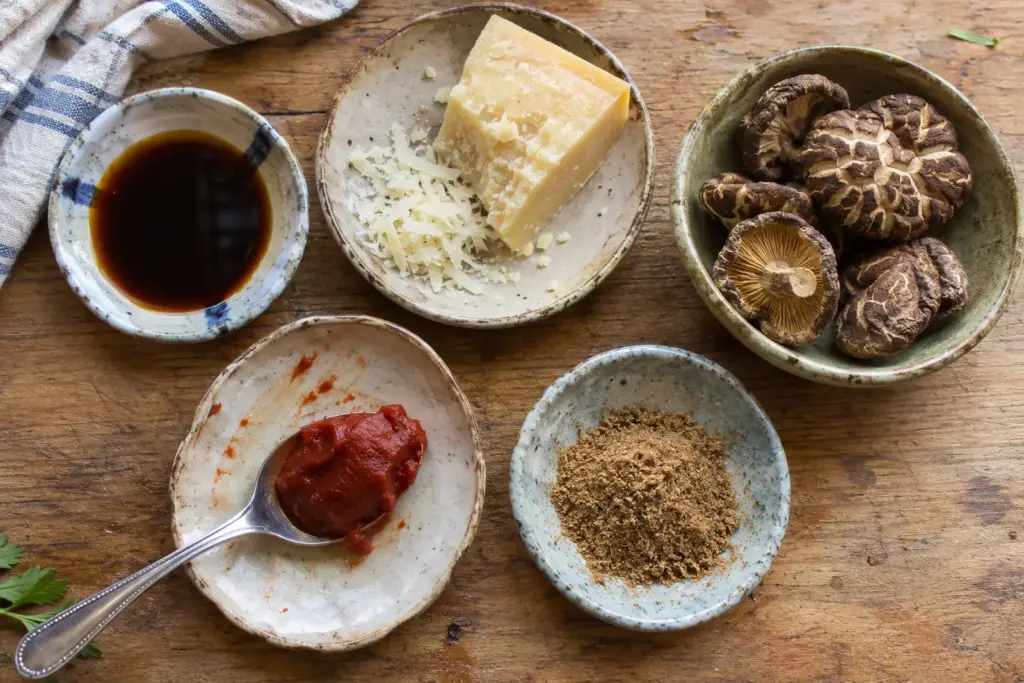
MSG is a white crystal of glutamate and sodium that adds savoriness and almost no flavor of its own. That is why every one of the ingredient substitutes for it has to bring glutamate along, together with whatever else that food tastes like.
1 What Does MSG Do in a Recipe?
Glutamate is the amino acid behind umami, the savory taste of ripe tomatoes, aged cheese, mushrooms and anchovies. MSG is the sodium salt of that same L-glutamic acid, and Harvard Health describes it as made by fermenting starch, sugar beets, sugar cane or molasses into a white powder. Because the crystal carries the same compound that occurs naturally in tomatoes and Parmesan, you can reach the same taste through those foods.
The FDA considers added MSG generally recognized as safe, which leaves the reasons to swap practical ones:
- An empty shaker
- A guest who avoids it
- A preference for glutamate that arrives inside real ingredients
Recipes use very little, usually ¼ to ½ teaspoon per pound of meat, enough for four to six people.
MSG also carries less sodium than salt, at 12.28 g per 100 g against 39.34 g for table salt, about one third. Harvard Health puts the cut at about 37% in the food when ½ teaspoon of salt is replaced with the same amount of MSG. Most replacements run the other way.
Soy sauce, fish sauce, miso and Parmesan arrive with salt of their own, so you take out part of the recipe's salt.
Umami also multiplies. When glutamate meets guanylate (found in dried shiitake) or inosinate (found in dried bonito), the Umami Information Center reports a taste about eight times stronger than glutamate alone, which is why a strip of kombu and a few dried shiitake make a deeper broth together than either does alone.
The Center's food table shows where the glutamate sits, and its ranges are wide because brand, variety and season change them.
| Food | Glutamate, mg per 100 g |
|---|---|
| Kombu (Hidaka to Rausu varieties) | 1,260 to 3,380 |
| Parmesan | 1,200 to 1,680 |
| Soy sauce | 400 to 1,700 |
| Dried shiitake | 1,060 |
| Fish sauce | 950 |
| Oyster sauce | 900 |
| Anchovies | 630 |
| Miso | 200 to 700 |
| Fresh tomatoes | 150 to 250 |
Tomato paste is missing from that list, but it is tomato cooked down to a concentrate, so a spoonful holds more glutamate than the same weight of fresh tomato.
2 Best Substitutes for MSG
Soy sauce, fish sauce, miso and Parmesan each bring salt, and the other swaps bring a flavor or color of their own. Take out about the same amount of salt the swap adds, add the swap in small steps and taste before you add more.
The amounts that follow are starting points, not sourced conversions, for ½ teaspoon of MSG, the top of the ¼ to ½ teaspoon per pound of meat that recipes use, so halve them when you would use ¼ teaspoon. Kombu is the exception, because you measure it against the water in the pot.
| Substitute | Start with, per ½ teaspoon MSG | Best in | What changes |
|---|---|---|---|
| Soy sauce, tamari, shoyu | 1 teaspoon, with about the same amount of salt taken out | Stir-fries, marinades, sauces | Adds salt and brown color |
| Fish sauce | ½ teaspoon, then taste | Soups, curries, dressings | Salty, and strong in the bottle |
| Parmesan | 1 tablespoon finely grated, melted in | Pasta, soups, roasted vegetables | Adds dairy and salt |
| Tomato paste | 1 teaspoon, fried until it darkens | Chili, stews, braises, gravy | Adds sweetness and red color |
| Dried shiitake or mushroom powder | ½ teaspoon, then taste | Soups, rubs, eggs, popcorn | Earthy, with no added salt |
| Kombu | One 4-inch strip in 2 cups of the recipe's water | Broth, beans, rice | Mild sea flavor, no seasoning |
| Miso paste | 1 teaspoon, whisked into warm liquid | Soups, glazes, dressings | Thick, salty and slightly sweet |
| Yeast extract, nutritional yeast | ¼ teaspoon yeast extract, or 2 teaspoons nutritional yeast | Gravy, soups, popcorn | Salty and dark, or nutty and cheesy |
| Liquid aminos, coconut aminos | 1 teaspoon liquid aminos, or 2 teaspoons coconut aminos | Stir-fries, dressings | Milder and sweeter than soy sauce |
| Homemade umami blend | ½ teaspoon, then taste | Rubs, eggs, popcorn, fries | You control the salt |
Soy sauce, tamari and fish sauce suit anything with liquid in it. Mushroom powder, Parmesan and the homemade blend work where extra liquid would spoil the texture, so you reach for them in rubs, eggs and snacks.
1. Soy Sauce, Tamari and Shoyu
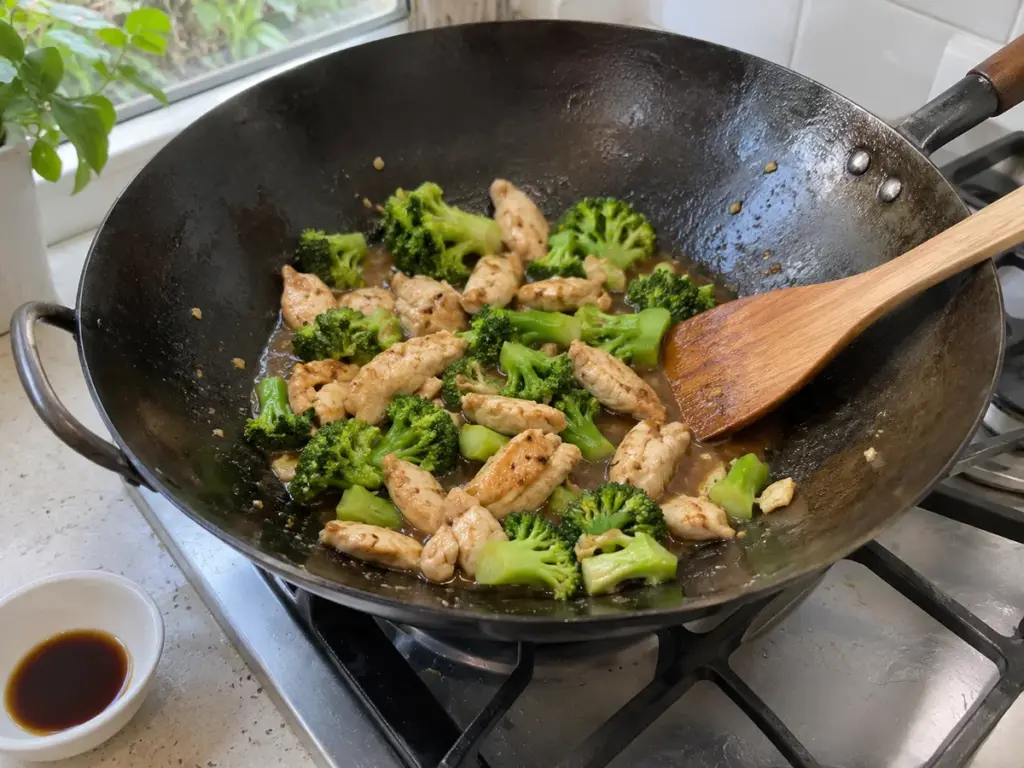
Soy sauce is brewed from soybeans, usually with wheat, and its glutamate runs from 400 to 1,700 mg per 100 g depending on the brew. Start with 1 teaspoon per ½ teaspoon of MSG, stirred in while a stir-fry sauce is still reducing. It does the savory job of MSG and adds salt, so you take out about the same amount of salt the soy sauce adds, then taste.
- Tamari is a thicker, rounder Japanese soy sauce brewed with little or no wheat, so many bottles are gluten-free, but brewers differ and the label has the final word.
- Nama shoyu is unpasteurized soy sauce with a fresher, milder taste that holds up best uncooked, in dressings and dips.
Tamari and nama shoyu go in at the same 1 teaspoon. A cold dressing takes tamari as easily as soy sauce, as in the dressing for sesame soba noodle salad, where soy sauce or tamari sits beside rice vinegar and sesame oil.
MSG never changes the color of a dish, but soy sauce darkens pale sauces and chicken soup. Oyster sauce holds about 900 mg of glutamate per 100 g, so a stir-fry sauce built on soy sauce and oyster sauce, as in the sauce for chicken zucchini stir fry, already gives you plenty.
2. Fish Sauce
Fish sauce is anchovies fermented with salt, and it holds about 950 mg of glutamate per 100 g. Start with ½ teaspoon per ½ teaspoon of MSG.
The bottle smells strong, but in soup, curry, marinade or dressing that smell fades and leaves a savory depth, so fish sauce rescues a pot that tastes flat. The same depth makes it a ready stand-in for shrimp paste.
Fish sauce is salty, so it takes the place of some of the salt as well, and because it is made from fish it is out when you cook for guests who avoid fish.
Tip
Sweet or delicate dishes show even a small amount, so you taste after each addition.
3. Parmesan
Parmesan holds 1,200 to 1,680 mg of glutamate per 100 g, one of the richest sources on the Center's table. Start with 1 tablespoon of finely grated cheese per ½ teaspoon of MSG. It melts into a pasta sauce, a soup, risotto or a pan of roasted vegetables and adds savoriness without a trace of liquid. The rind does the same job slowly when it simmers in soup or a pot of beans, and you lift it out before serving.
Warning
Cheese suits dishes that already take it, and you skip it for vegan cooking and milk allergies. It also adds salt, so you taste the dish after the cheese melts and add your own salt last.
4. Tomato Paste
Fresh tomatoes hold 150 to 250 mg of glutamate per 100 g, and the FDA names tomatoes among the foods where it occurs naturally. Tomato paste concentrates that, so a spoonful carries far more per bite.
Start with 1 teaspoon per ½ teaspoon of MSG, fried in a little oil until it darkens a shade and smells sweet before the liquid goes in, because raw paste stays sharp.
Red color is welcome in chili, stews, braises, gravies and meat sauce, which is where tomato paste fits best. White sauces and clear broths turn pink or cloudy with it, so you want mushroom powder or kombu there.
5. Dried Shiitake and Mushroom Powder
Dried shiitake holds 1,060 mg of glutamate per 100 g and adds guanylate, the compound that multiplies umami. A clean spice grinder turns whole dried caps into a fine powder in a few seconds, and you can keep the jar in the cupboard like any other spice.
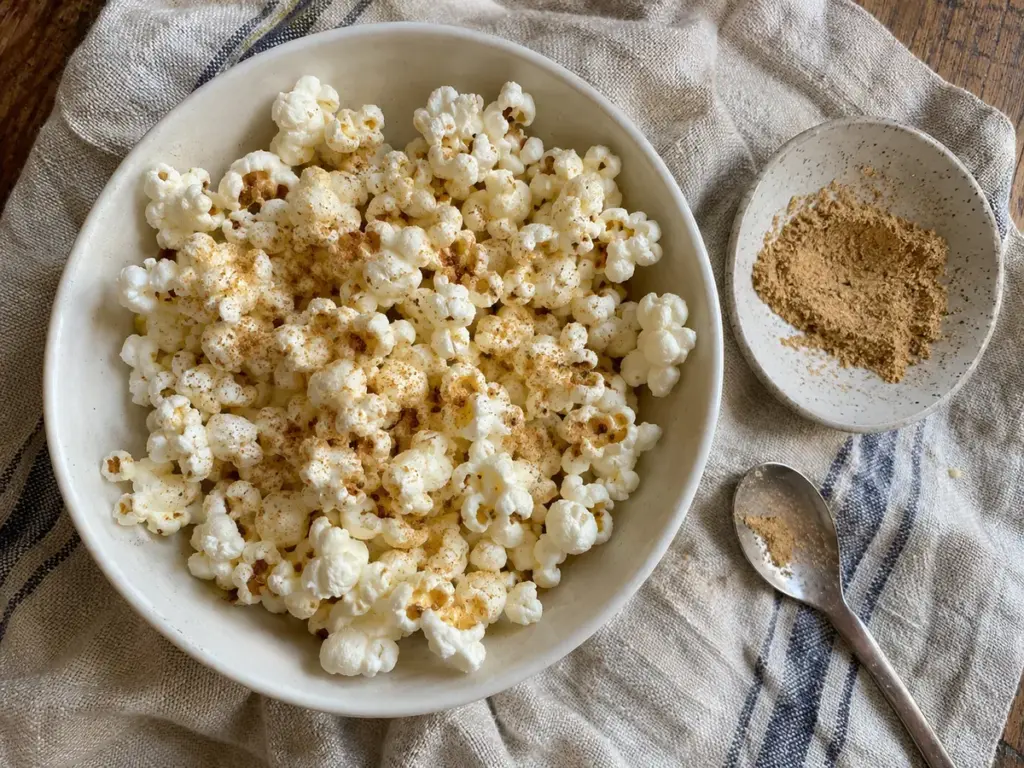
Start with ½ teaspoon of powder per ½ teaspoon of MSG in eggs, rubs, soups and popcorn, and taste before adding more, because the Center warns that shiitake's strong character can throw a dish off balance.
- Powder ground from plain dried shiitake has no added salt, so you can leave the recipe's salt alone.
- Store-bought mushroom seasoning often includes salt, so you check the label first.
- Mushrooms and soy sauce give the broth of hot and sour soup its savory depth, with no MSG on the ingredient list.
6. Kombu
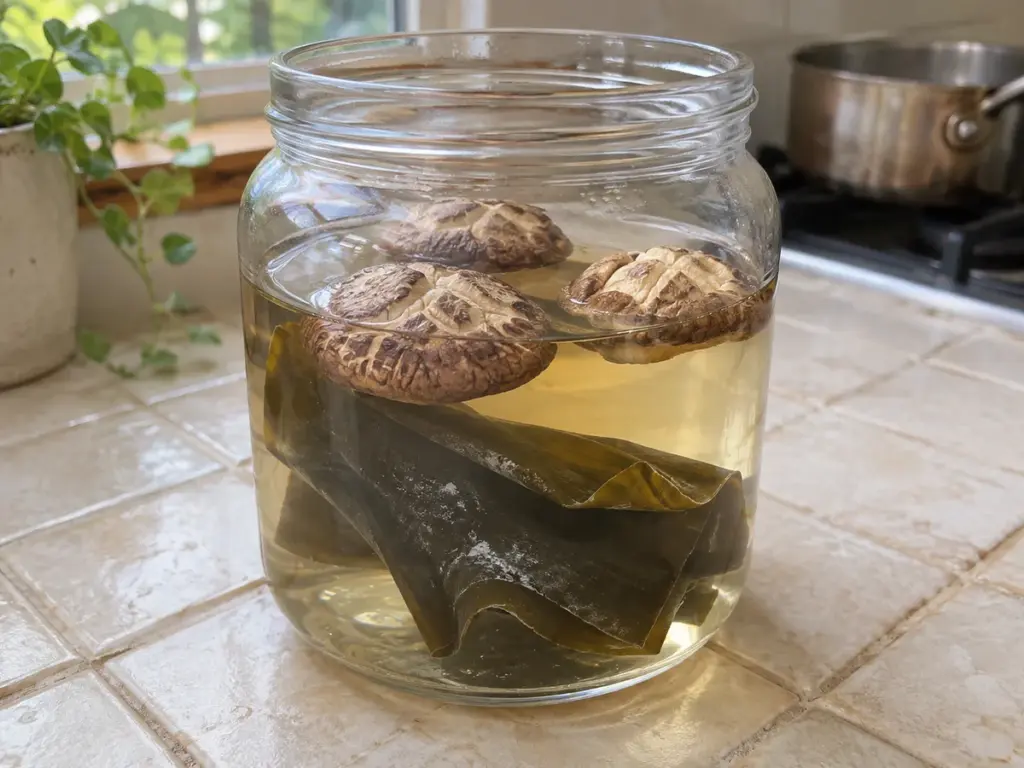
Kombu is dried kelp, and the Umami Information Center calls it the foodstuff with the highest natural glutamate in the world, from 1,260 mg per 100 g for Hidaka to 3,380 for Rausu. Start with one 4-inch strip in 2 cups of the recipe's water, soaked for 20 to 30 minutes in a summer kitchen or about 90 minutes in a cold one. You heat it until the water is just short of boiling, and then lift it out.
That gives you a base for soups, beans, rice and sauces with a mild sea flavor and no seasoning in it, and a few dried shiitake in the same jar add their guanylate to the glutamate. A kombu-and-shiitake soak also takes the place of dashi powder in miso soup.
7. Miso Paste
Miso is a fermented soybean paste made with koji cultures, and its glutamate sits at 200 to 700 mg per 100 g. It is thick, mellow, slightly sweet and salty, and it gives broths and dressings body as well as savoriness.
Start with 1 teaspoon per ½ teaspoon of MSG, whisked into a little warm liquid so it dissolves without lumps, and stir it in near the end of cooking, because a long boil flattens its aroma.
- White miso tastes milder and sweeter than red, and some misos are made with barley, which matters for gluten-free cooking.
- Miso also browns into a salty-sweet glaze on vegetables, as in cauliflower roasted in a miso glaze at 425°F.
8. Yeast Extract and Nutritional Yeast
Yeast extract is a dark, sticky, very salty paste of concentrated yeast, sold as spreads such as Marmite and Vegemite, and the FDA lists yeast-derived ingredients among those that carry free glutamate naturally. Start with ¼ teaspoon per ½ teaspoon of MSG, stirred into hot broth, gravy or stew. It dissolves into savoriness, and a larger amount overwhelms the dish, so you build it up gradually.
Nutritional yeast comes as pale flakes with a nutty, cheesy taste, and 2 teaspoons per ½ teaspoon of MSG is the amount to start with. It is a better fit for popcorn, pasta, eggs and vegan cheese sauces than for soup, and both forms suit vegetarian cooking.
9. Liquid Aminos and Coconut Aminos
Liquid aminos, such as Bragg's Liquid Aminos, are a soy-based seasoning made from soy protein, with a flavor like a milder, slightly sweeter soy sauce. Coconut aminos are made from coconut sap and salt, so they are soy-free, and they taste sweeter and gentler than soy sauce.
Start with 1 teaspoon of liquid aminos or 2 teaspoons of coconut aminos per ½ teaspoon of MSG in stir-fries, dressings and salads, and taste before adding more.
10. Homemade Umami Seasoning Blend
A dry shaker that sits beside the salt covers eggs, popcorn, fries and rubs. Mix:
- 2 tablespoons of ground dried shiitake
- 1 tablespoon of nutritional yeast
- 1 teaspoon of onion powder
- ½ teaspoon of garlic powder
- ½ teaspoon of fine salt
The shiitake and yeast supply the glutamate, and the onion and garlic round out the flavor.
Start with ½ teaspoon of the blend per ½ teaspoon of MSG, and taste before adding more, because the salt is already in the jar.
3 Which Substitute Should You Use for Your Dish?
A stir-fry or marinade has liquid to spare and takes soy sauce without trouble, while a cream sauce turns brown with it and a dry rub turns wet.
Soy Sauce
At 1 teaspoon per ½ teaspoon of MSG, works in seconds, blends into any liquid and sits in most kitchens already.
Adds salt and brown color, so take out about the same amount of salt the soy sauce adds and expect pale sauces to darken.
Mushroom Powder
At ½ teaspoon per ½ teaspoon of MSG, adds glutamate and guanylate to soups, rubs and snacks with no liquid and no added salt.
Needs dried shiitake and a grinder, and its earthy taste crowds a delicate dish if you overdo it.
For every other swap, the dish on your stove picks it, and the diet at your table can narrow the choice further.
- Stir-fries, marinades and dipping sauces: soy sauce or tamari, with a little fish sauce when the sauce needs more depth.
- Soups and broths: a kombu-and-shiitake soak, or 1 teaspoon of miso per ½ teaspoon of MSG, whisked in at the end. A cream soup built on mushrooms, such as garlic mushroom soup with cream, already gets glutamate from its mushrooms, so a pinch of shiitake powder reinforces it without thinning it.
- Chili, stews, braises and tomato sauces: tomato paste fried until it darkens, with grated Parmesan stirred in at the end.
- Pasta, roasted vegetables and eggs: Parmesan, or the shiitake blend.
- Popcorn, fries and dry rubs: the homemade blend or nutritional yeast, since neither adds liquid.
- Vegan cooking: kombu, dried shiitake, miso, tomato paste and nutritional yeast. Fish sauce and Parmesan are out.
- Gluten-free cooking: read the label on tamari and miso, because some brands use wheat or barley. Coconut aminos, kombu and mushroom powder contain neither.
- Soy-free cooking: coconut aminos, mushroom powder, kombu, tomato paste and Parmesan.
Tip
Soy sauce, fish sauce, miso and Parmesan each arrive with salt, so when one pot gets two of them, take out more of the recipe's salt and taste after each addition.
4 Which Swaps Fall Short of MSG?
Plain salt makes a dish taste saltier but adds no glutamate, so a bland soup stays bland until it is oversalted. A shaker of onion powder, garlic powder, paprika and salt, a popular homemade replacement, tastes seasoned and savory yet is not known for glutamate the way kombu, Parmesan or dried shiitake are, so it works as a rub and will not deepen a flat pot.
Frequently Asked Questions
For each ½ teaspoon of MSG, start with ½ teaspoon of fish sauce or shiitake powder, 1 teaspoon of miso, tomato paste or liquid aminos, or 1 tablespoon of finely grated Parmesan, and halve those amounts for ¼ teaspoon. Taste before you add more, because these are starting points and not sourced conversions.
Glutamate occurs naturally in tomatoes and cheeses, and in ingredients such as yeast extract. The FDA says a food with an ingredient that naturally contains free glutamate cannot claim "No MSG" or "No added MSG" on its package.
Yes. The dish will taste a little flatter, and the easiest fix is 1 teaspoon of tomato paste, 1 teaspoon of soy sauce or 1 tablespoon of grated Parmesan, with the recipe's salt reduced to match when you use soy sauce or Parmesan.
Sources
- FDA: Questions and Answers on Monosodium Glutamate (MSG)
- Harvard Health: Monosodium glutamate (MSG)
- Umami Information Center: Umami Information by Food
- Umami Information Center: How to Utilize Umami
- Umami Information Center: What is Dashi?

Andrew Gray is a seasoned food writer and blogger with a wealth of experience in the restaurant and catering industries. With a passion for all things delicious, Andrew has honed his culinary expertise through his work as a personal chef and caterer.
His love for food led him to venture into food writing, where he has contributed to various online publications, sharing his knowledge and insights on the culinary world. As the proud owner of CooksCrafter.com, Andrew covers a wide range of topics, including recipes, restaurant reviews, product recommendations, and culinary tips.
Through his website, he aims to inspire and educate fellow food enthusiasts, offering a comprehensive resource for all things food-related.