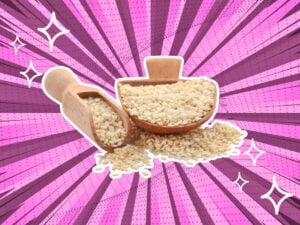
We've all been there, ready to bake our favorite recipe, only to discover we're out of oat bran (oat bran is the outer layer of the oat groat, high in soluble fiber called beta‑glucan). Before you rush to the store, we've got you covered with some brilliant alternatives.
Don't worry, switching up your ingredients can lead to delicious surprises.
From the basics in your pantry to a few unexpected picks, these oat bran substitutes can step up to the plate. Buckle up, because your baking game is about to get a whole lot more interesting!

7 Easy Substitutes for Oat Bran
For those who are unfamiliar, oat bran is the outer layer of the oat groat, which is a hulled whole grain. It's high in fiber and nutrients, making it a popular ingredient in many healthy recipes.
But if you're out of this flexible ingredient, here are some alternatives to consider:
| Substitute | Taste | Texture | Ratio | Suitable Dishes |
| Rolled Oats | Mildly sweet | Chewy | 1:1 | Breads, Muffins, Cookies |
| Wheat Bran | Nutty | Coarse | 1:1 | Cereals, Breads, Muffins |
| Ground Flaxseed | Earthy | Gritty | 1:1 | Breads, Pancakes, Smoothies |
| Chia Seeds | Neutral | Gelatinous | 1:1 | Puddings, Smoothies, Baked Goods |
| Almond Flour | Nutty | Fine | 1:1 | Cakes, Cookies, Breads |
| Coconut Flour | Mildly sweet | Light | 1:4 | Cakes, Muffins, Pancakes |
| Psyllium Husk | Neutral | Gel-like | 1:1 | Breads, Muffins, Gluten-Free Baking |
1 - Rolled Oats
First, did you know that rolled oats can step in when you're out of oat bran? They're super accessible and just as good (rolled oats are whole oat groats steamed and flattened).
You can break them down in a blender if you need something finer - or explore old-fashioned oats baking alternatives.
Rolled oats have a similar texture and give your recipes that same wholesome, hearty feel. Use them in the same ratio as oat bran - one for one.
Your muffins and breads won't know the difference.
We've switched them in our breakfast cookies, and they came out even better.
2 - Wheat Bran
Next up, wheat bran. It's a great stand-in for oat bran, and it's super easy to find.
Wheat bran has a nutty flavor and works wonders in baked goods (it's the coarse outer layer of wheat kernels).
Wheat bran is a bit flakier than oat bran, which means your muffins and cookies might feel a bit lighter. Use it in a one-to-one ratio as well, so there's no complicated math needed here.
We've tried it in our morning muffins, and they turned out amazing-light and fluffy with a nice crunch.
Want more options? Check out this guide on whole wheat flour swap ideas.
3 - Ground Flaxseed
Ground flaxseed is a cool substitute for oat bran. It's got loads of fiber and adds a nice nutty taste to your recipes (rich in omega‑3 ALA and lignans).
Just replace oat bran with ground flaxseed in a 1:1 ratio.
Your muffins and pancakes will get a slight crunch and a richer flavor.
We've used ground flaxseed in our banana bread, and it came out awesome - moist with a bit of extra texture. Plus, it's super easy to find at any grocery store.
Check out this guide on ground flaxseed substitutes for more ideas, or see ground mustard swap suggestions.
4 - Chia Seeds
Next up, chia seeds. Small but mighty, chia seeds are a solid substitute for oat bran.
They bring a unique crunch to your recipes (and form a gel when hydrated thanks to soluble fiber).
Use chia seeds in a 1:1 ratio with oat bran. They add a bit of extra texture that makes your muffins and pancakes more interesting.
We swapped oat bran for chia seeds in our blueberry muffins, and wow, they were delicious. The muffins had a satisfying crunch and moist texture.
Interested in more swaps? Check out this guide on chia seeds substitutes for more options, or explore anise seed flavor swaps.
5 - Almond Flour
Almond! Who knew it could be such a rockstar in baking?
Almond flour is a fantastic oat bran alternative. It brings a nutty, slightly sweet flavor to your recipes (made from finely ground blanched almonds).
Use it in a one-to-one ratio with oat bran. Your recipes will stay moist and gain an extra layer of texture.
We've swapped oatmeal cookies for almond flour cookies, and they were a hit. They had a soft, tender feel and an added nutty aroma.
6 - Coconut Flour
For a fun twist, coconut flour is our go-to oat bran substitute. It's light, and fluffy, and adds a hint of sweetness (made from dried, defatted coconut meat).
You'll find it super versatile.
Use it in a 1:1 ratio to oat bran. This means no complicated conversions here.
Trust us, your banana bread will thank you.
We tested coconut flour in our muffins. They were soft with a subtle coconut flavor.
Perfect for those who love a tropical vibe.
7 - Psyllium Husk
Last on our list but definitely not the least impressive, let's talk psyllium husk. This substitute is superb for binding and adding fiber to your recipes (derived from Plantago ovata seeds and rich in soluble fiber).
It absorbs a lot of liquid, so your baked goods stay moist. Use it in a ratio of 1:1 with oat bran.
We've used psyllium husk in our breakfast muffins and they turned out lovely with just the right amount of moisture.
For more swaps, check out our detailed guide on psyllium husk substitutes. It's perfect if you're looking for more fiber-rich options.
Frequently Asked Questions
Yes, rolled oats can be used as a substitute, though the texture will be a bit different. You may need to blend them for finer consistency.
Yes, wheat bran is a great alternative in smoothies, adding fiber and texture similar to oat bran.
Yes, ground flaxseed can replace oat bran and adds a nutty flavor along with healthy omega-3 fats and fiber.
Chia seeds are a great alternative for oat bran, offering similar texture and added nutritional benefits like omega-3 fatty acids.
Almond flour can work as a substitute in many recipes, though it will provide a denser texture and more moisture than oat bran.

Andrew Gray is a seasoned food writer and blogger with a wealth of experience in the restaurant and catering industries. With a passion for all things delicious, Andrew has honed his culinary expertise through his work as a personal chef and caterer.
His love for food led him to venture into food writing, where he has contributed to various online publications, sharing his knowledge and insights on the culinary world. As the proud owner of CooksCrafter.com, Andrew covers a wide range of topics, including recipes, restaurant reviews, product recommendations, and culinary tips.
Through his website, he aims to inspire and educate fellow food enthusiasts, offering a comprehensive resource for all things food-related.