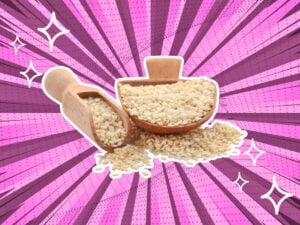
Rice flour (from Oryza sativa rice) is a finely milled flour made from white or brown rice; naturally gluten-free, it lends a tender, slightly sandy crumb and a neutral flavor that works well in cookies, batters, and gluten-free breads.
We all have moments when we tear open the pantry, hungry for baking, only to find the rice flour tin glaring back empty. No needed.
There are a few things lying around in your kitchen waiting to save the day.
In this write-up, we're sharing the top picks for swapping out rice flour. From almonds ground into fine powder to oats blitzed into a soft dust, each has its charm.
These aren't just stand-ins; they might even bring a new edge to your old favorites.

7 Easy Substitutes for Rice Flour
| Substitute | Taste | Texture | Ratio | Suitable For |
| Almond Flour | Slightly nutty | Fine, dense | 1:1 | Sweet baked goods, frying (low temp) |
| Coconut Flour | Sweet | Absorbs moisture quickly, dense | 1:4 with other flours | Baking, combined with other flours |
| Oat Flour | Mild, slightly sweet | Fine, dense | 1:1 | Baking, pancakes, waffles |
| Potato Starch | Neutral | Fine, powdery | 1:1 | Thickening, frying |
| Teff Flour | Nutty, earthy | Fine, dense | 1:1 | Baking, injera bread |
| Cornstarch | Neutral | Fine, powdery | 1:1 | Thickening, frying, puddings |
| Tapioca Flour | Neutral | Chewy, stretchy | 1:1 | Baking, thickening, bubble tea |
1 - Almond Flour
Almond flour is finely ground blanched almonds (a nut-based, gluten-free flour high in fat) that steps in for rice flour while adding tender moisture, a toasty nutty flavor, and a slightly denser crumb-best paired with chocolate, citrus, or spices and often needing an extra binder in lean recipes.
Swapped into cookies, almond flour yields beautifully crispy results; for related pantry swaps see almond extract swaps for brighter flavor.
One for one is the ratio, super easy (1:1 by volume). You won't miss rice flour.
If you're into baking or even frying, almond flour has got your back.
Just remember, it adds a bit more moisture. Adjust liquids if you need to.
2 - Coconut Flour
Coconut flour, made from dried, defatted coconut meat (Cocos nucifera), is a high-fiber, low-fat flour that offers a tight, cake-like crumb and a faint tropical sweetness when used as a swap for rice flour.
Use roughly a 1:4 rice-flour-to-coconut-flour ratio because coconut flour absorbs about four times the liquid of rice flour and often requires extra eggs or liquid to prevent dryness.
It's got this subtle sweetness that's a nice surprise in cakes and bread, and for creamy savory alternatives see coconut aminos alternatives for savory dishes.
We tried it in our go-to muffin recipe, and the result was super moist treats.
Mixing it into pancakes gave us a fluffy dream breakfast. It's a good move for those wanting a less grainy texture than rice flour.
3 - Oat Flour
Oat flour rolls in as a smooth player in the baking field. It's finely ground whole oats (use certified gluten-free oats for celiac-safe baking), offering a mild, slightly sweet flavor with soluble fiber that helps retain moisture and improve crumb structure.
Oat flour has a gentler flavor than rice flour and commonly replaces rice flour at a 1:1 ratio (by volume) for many quick breads and cookies, though adding a binder can improve structure in yeast breads.
In our test, cookies got this hearty chew. Breads rose surprisingly well.
If almond or coconut flour isn't your jam, oat flour steps up; for bran-related swaps see oat bran swaps for baking.
Our pancakes turned fluffier. Seriously, try it.
4 - Potato Starch
Potato starch is a pure, white starch extracted from the tuber's flesh (a gluten-free, neutral-tasting thickener) that creates glossy, clear sauces and light, tender baked goods when used instead of rice flour.
It's a 1:1 trade (by volume).
In testing, gravies turned silkier; for equipment alternatives that help achieve smooth textures see potato ricer substitutes for smooth mash.
For those dabbling in baking, expect a lighter, airier finish to your goods. Potato Starch injects a bit of magic, making treats slightly more tender.
This starch keeps things moist, making it a solid backup in your pantry; for dried potato options see potato flakes swaps for quick mash.
5 - Teff Flour
Teff flour comes from Eragrostis tef, an ancient Ethiopian grain; it brings an earthy, nutty flavor with slight molasses notes, is naturally gluten-free, and boosts iron and protein when used in place of rice flour. We use it just like rice flour, on a one-to-one basis (1:1 by weight).
Those tiny grains contribute a delicate, slightly gritty texture and a moist crumb that can make cookies and flatbreads more tender and flavorful than rice-flour-only recipes.
Cookies? They come out extra tender with teff.
Cakes rise well, better moisture all around. It's a solid pick for those looking to switch it up.
Insights on similar whole-grain swaps such as teff swap ideas for whole-grain baking can expand options.
6 - Corn Flour (Cornstarch)
Corn flour is finely milled whole corn (Zea mays) with a slightly gritty texture and corn-forward flavor, while cornstarch is the isolated endosperm starch (neutral and powdery); cornstarch creates glossy thickeners, whereas corn flour adds body and corn taste-adjust liquids and texture expectations when swapping.
Corn flour thickens soups and sauces like rice flour does. Swap it in without fuss for perfectly velvety gravy.
We discovered the yummiest pie crusts using corn flour. It's an ideal substitute if you're in the mood for a flaky, buttery crust.
For more options, our guide to finding substitutes for corn flour might just catch your eye.
7 - Tapioca Flour
Tapioca flour is a white starch extracted from the cassava (Manihot esculenta) root; as a pure starch it provides glossy shine, chew, and excellent moisture retention when replacing rice flour. We tested it out with a 1:1 ratio-and let us tell you, it's no slouch.
Tapioca adds chew and elasticity that can transform sandwich breads into lighter, moister loaves; use it at around 10-30% of the total flour blend or as a 1:1 binder for gluten-free mixes to improve structure.
Cassava roots make Tapioca Flour, and they're rich in starch (roots of Manihot esculenta). It's got a mild taste that lets your recipe shine on its own.
If tapioca flour has piqued your interest, our exploration of substitutes for tapioca flour might be worth a read.
Frequently Asked Questions
Yes, almond flour can replace rice flour, though it adds a nutty flavor and denser texture. It works great in cookies, cakes, and bread where extra moisture is needed.
Coconut flour is more absorbent than rice flour, so you'll need to adjust the liquid in your recipes. It works best in baked goods where a light, coconutty flavor is desired.
Oat flour works well for thickening sauces, providing a mild flavor and smooth texture. It's a great choice for savory dishes or gravies where a neutral taste is desired.
Potato starch is excellent for frying, providing a crispy and light coating. It's a great substitute for rice flour, especially in tempura or crispy fried foods.

Andrew Gray is a seasoned food writer and blogger with a wealth of experience in the restaurant and catering industries. With a passion for all things delicious, Andrew has honed his culinary expertise through his work as a personal chef and caterer.
His love for food led him to venture into food writing, where he has contributed to various online publications, sharing his knowledge and insights on the culinary world. As the proud owner of CooksCrafter.com, Andrew covers a wide range of topics, including recipes, restaurant reviews, product recommendations, and culinary tips.
Through his website, he aims to inspire and educate fellow food enthusiasts, offering a comprehensive resource for all things food-related.